
A well-known forwarder recently published a post making the case that a purpose-built booking platform beats the shipping module bundled into a warehouse management system. On the narrow point, they are right. A shipping module is a thin appendage. It was never going to run a dynamic global network where trucks queue, containers wait, and custody changes hands.
But the post aims at the wrong target. It treats this as a knock on the WMS, and it is not. Your WMS is one of the most important systems you own, and you have spent years and real money making it good at what it does. The problem was never the WMS. The problem is the gap it was never built to see.
The gap between the port and the warehouse
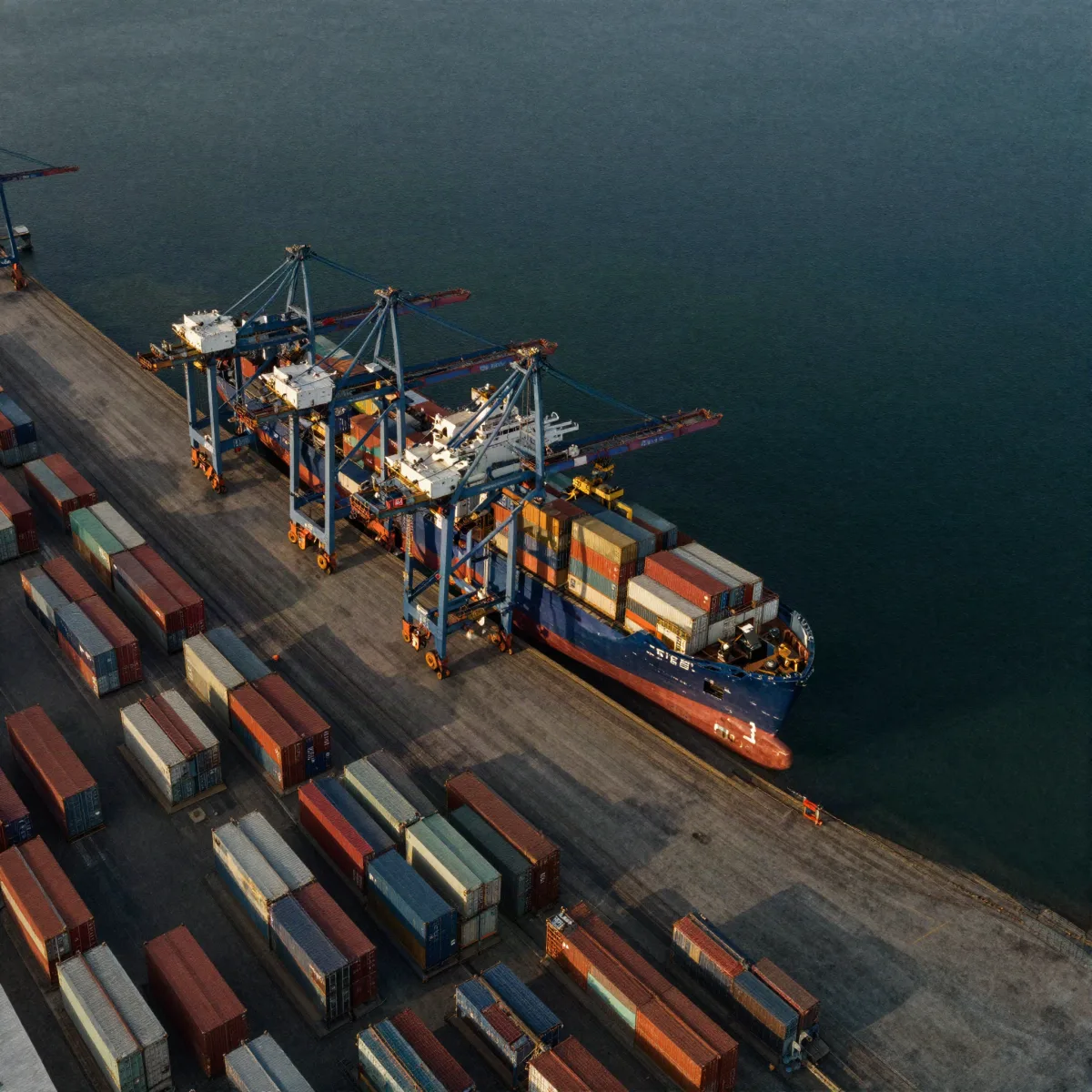
Think about where your systems actually live. Your TMS owns the road. Your WMS owns everything inside the four walls. Between them sits the ocean leg: the handoff where the port becomes the warehouse, and the one place where, for most shippers, the data goes dark.
That gap is not a WMS failure. A WMS is built to optimize inventory and labor inside the building, and it does that well. Asking it to also run freight through a bolt-on module is asking it to do a job it was never designed for, with a tool nobody really invested in. The result is the visibility gaps and manual workarounds everyone knows too well. The fix is not a better WMS. It is something purpose-built to own the gap and feed the WMS what it has been missing.
The mistake in the "bolt-on versus purpose-built booking" debate is assuming the choice ends there. It does not.
A list of tasks is not a mission
Even a purpose-built booking tool, the supposed upgrade, is still the same kind of software underneath. It keeps a list of freight tasks. Clear a shipment. Assign a carrier. Log a move. Each one is a row someone updates. The system holds the rows and shows them to you. When the rows fall out of sync with the cargo, and they always do, a person reconciles the board by hand. You have traded a thin clipboard for a nicer one.
A control tower does not keep a list. It runs missions. A mission is a connected sequence of work aimed at an outcome: get this container from the port to the right warehouse to the next dispatch, with each task triggering the next and adjusting as conditions change. The tasks are not entries to maintain. They are steps to orchestrate.
A list tells you a container is due at the warehouse by noon. A mission moves it there, reassigns the driver when the port backs up, and re-sequences the next three arrivals around the delay, without waiting for someone to notice and retype the board.
Freight is a data problem
None of that works if the system is still waiting to be told what happened. Orchestration needs data, and not the thin trickle a person types in between moves. It needs the whole picture, captured continuously and directly from the cargo.
A shipping module and a traditional forwarder both run on data that people feed them. They are only as current as the last person who remembered to enter something. An AI-native control tower captures the freight itself: what arrived, what moved, what is sitting where, what condition it is in, in real time and without a clipboard in the loop.
This is how you unleash your WMS
Here is the part that matters most to anyone who has invested heavily in a warehouse management system. A WMS is only as good as the data crossing its threshold. Today that data arrives late and rough. The WMS does not really know a load is arriving until someone keys it in. It does not know the right container is cleared and ready until a supervisor calls to check. It plans labor and receiving against guesses about what is sitting in transit.
Close the freight gap and all of that changes. When shipments are captured and orchestrated in real time, the WMS finally gets clean, live input: accurate arrival times, verified contents, customs readiness, the actual state of the shipment instead of an estimate. The warehouse stops waiting on freight and starts working ahead of it. Labor lines up against trucks that are genuinely ready. Receiving turns faster. Storage and demurrage fall because the handoff stops stalling.
That is the real promise. The right freight technology does not compete with your WMS. It bridges the gap between the port and the warehouse, a data gap and a capability gap, and in doing so it makes the system you already own dramatically more valuable. You are not replacing your warehouse investment. You are finally letting it run at full speed.
Beyond freight forwarding
Once the system perceives the cargo directly, it is not confined to forwarding at all. The same data and the same orchestration layer extend into the broader problems shippers lose sleep over.
Security is one example. The fastest-growing cargo theft method is not cutting a fence; it is fraudulent carriers and stolen identities driving loads away with clean paperwork. CargoNet put 2025 losses near $725 million, up roughly 60% in a single year on flat incident volume. A system that only records what a human types at pickup cannot catch that. A system that already sees the driver, the truck, and the load can.
Damage detection is another. The same perception that runs tracking can flag a damaged pallet or a compromised seal the moment it arrives, instead of in a dispute three weeks later. Nobody added a "damage module." It is the same data, asked a different question.
That is the pattern. Capture the freight, and you solve problems well past the original task list, because they were always data problems hiding in the gap nobody owned.
Why this was not possible before
The honest reason the industry settled for the bolt-on versus purpose-built debate is that the better option did not exist at a workable price. You chose between a heavy enterprise suite that took a year to stand up and a thin point solution that did one thing. Depth and accessibility were a tradeoff.
AI-native development collapsed that tradeoff. The perception and orchestration that used to require custom integration and a six-figure services engagement now ship as software. That is what makes a real control tower buildable, and buildable for the shipper running five lanes, not just the network running five hundred. Start with one lane. Scale to the network.
The actual question
The WMS shipping module was never going to run your freight. Neither is a tool that just keeps a tidier list while the cargo, the data, and the value locked inside your existing systems sit out of reach.
The question is no longer bolt-on or purpose-built. It is whether your freight stays a blind spot between the port and the warehouse, or becomes the bridge that makes everything on both sides, your WMS included, worth more.
That is the age of the Control Tower. And it is now.
Cargo theft figures: Verisk CargoNet 2025 annual supply chain risk analysis (estimated losses near $725M, up ~60% year over year on essentially flat incident volume).


