
A freight booking platform is an essential tool for managing shipping operations. It helps coordinate the timing and allocation of pickup and delivery resources, ensuring smooth movement of freight. With this software, shippers can effectively manage incoming and outgoing shipments, reducing delays and improving overall efficiency.
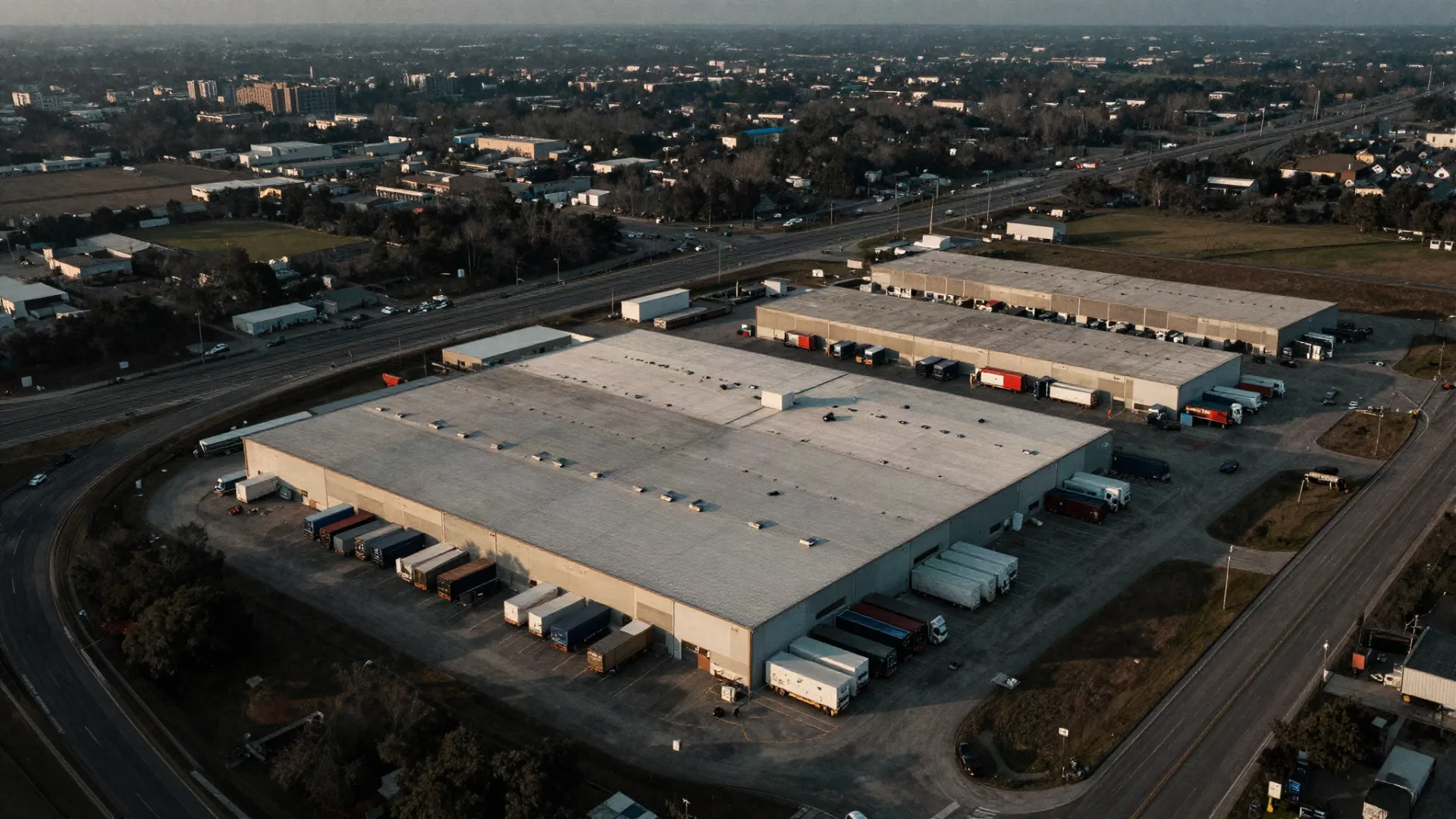
The logistics industry is currently facing significant challenges, with over $50 billion worth of goods being transported daily through more than 50,000 warehouses and factories in North America. Traditional methods of booking, such as phone calls, emails, and spreadsheets, often lead to bottlenecks in the supply chain. These delays can have a cascading effect on the entire logistics process.
To overcome these challenges, many shippers are turning to freight booking software. This digital solution streamlines booking management and provides real-time visibility into shipment progress. By eliminating manual processes and implementing automated systems, shippers can optimize their operations and better meet the demands of modern logistics.
In this article, we will explore the shift from manual booking to digital precision in freight operations. We will discuss key features of freight booking software, benefits of implementation, integration strategies with existing systems, and emerging technologies that are shaping the future of cargo booking.
The Challenges of Manual Freight Booking Methods
Traditional manual freight booking methods create significant operational bottlenecks that affect the entire supply chain. Phone and email-based coordination systems expose shippers to a series of inefficiencies that directly impact their profits and customer satisfaction levels.
Communication Breakdowns and Delays
Phone-based booking forces operations staff into reactive mode, constantly fielding calls from carriers while managing shipments simultaneously. You lose valuable time when carriers call during peak hours, creating pickup booking issues that compound throughout the day. Email booking introduces even more complexity - messages get buried in overflowing inboxes, critical updates arrive too late, and version control becomes impossible when multiple stakeholders exchange conflicting information.
Resource Underutilization and Scheduling Conflicts
Manual systems lack real-time visibility into capacity, leading to double-booked pickups and underutilized time slots. You experience shipping inefficiencies when carriers arrive without confirmed bookings, forcing difficult decisions between turning away trucks or disrupting scheduled operations. These booking conflicts create domino effects that impact labor allocation, equipment availability, and downstream processing activities.
Broken Information Flow
The communication gap between carriers, warehouse staff, and logistics teams widens with manual processes. Carriers operate with outdated information about slot availability, warehouse teams lack advance notice of incoming shipments, and logistics coordinators struggle to maintain accurate schedules across multiple lanes. This fragmented communication creates blind spots that prevent proactive decision-making and optimal resource deployment.
These manual booking limitations become particularly problematic as logistics operations scale, with each additional lane multiplying the complexity and potential points of failure in your booking ecosystem.
Key Features to Look for in a Freight Booking Software Solution
When evaluating freight booking software features, you need to focus on capabilities that directly address the operational bottlenecks plaguing manual systems. The right solution transforms chaotic booking processes into streamlined, automated workflows that maximize your network's throughput.
Real-Time Booking and Reservation Capabilities
An online booking portal serves as the foundation of effective freight booking software. This self-service interface allows carriers to view available time slots, select preferred pickup windows, and receive instant confirmations. You eliminate the back-and-forth phone calls and email chains that consume valuable staff time. The portal should display real-time slot availability, allowing carriers to make informed decisions about their delivery schedules while reducing no-shows and booking conflicts.
AI-Powered Dynamic Optimization
AI-powered booking capabilities distinguish advanced solutions from basic booking systems. These intelligent algorithms analyze historical data patterns, seasonal fluctuations, and real-time shipment conditions to optimize slot assignments automatically. The system learns from your operation's unique characteristics, adjusting schedules dynamically to prevent bottlenecks and maximize resource utilization. You gain the ability to handle unexpected changes, rush orders, and last-minute cancellations without disrupting your entire schedule.
Comprehensive System Integration
Integration capabilities determine whether your freight booking software becomes a valuable asset or an isolated tool. Look for solutions that connect seamlessly with:
Warehouse Management Systems (WMS) for inventory visibility
Transportation Management Systems (TMS) for carrier coordination
Freight Forwarding Platforms for complete shipment orchestration
Enterprise Resource Planning (ERP) systems for business intelligence
These integrations create a unified data ecosystem where information flows automatically between systems. You eliminate manual data entry, reduce errors, and gain comprehensive visibility across your entire operation. The software should support both API-based integrations and standard data exchange formats to accommodate your existing technology stack.
Benefits of Implementing a Digital Freight Booking Tool
The benefits of freight booking software go beyond just managing bookings. It brings significant improvements to your entire logistics operation. With modern digital solutions, pickup and delivery are transformed by establishing organized and predictable workflows that make the most of your network's capacity.
Enhanced Handling Capacity and Throughput
Digital booking tools take away the uncertainty from freight management by spreading out arrivals evenly throughout the day. By making better use of existing warehouse doors, you can achieve greater capacity without needing to expand your physical space. Intelligent booking algorithms analyze past data patterns and adjust slots based on load types, carrier requirements, and processing times to prevent bottlenecks.
Dramatic Reduction in Vehicle Wait Times
Traditional booking methods often lead to multiple carriers arriving at the same time, causing expensive delays. A freight booking platform solves this problem by giving carriers confirmed time slots and real-time updates about any changes in the schedule. This accuracy reduces driver demurrage fees by up to 12% and strengthens relationships with carriers through dependable service delivery.
Operational Efficiency Gains
You gain complete visibility into how slots are being used, which allows you to make informed decisions about staffing levels and resource allocation. Shorter wait times directly result in faster inventory turnover and happier customers. The system automatically balances incoming and outgoing activities, preventing congestion at the receiving doors during busy periods.
Measurable Performance Improvements
Organizations that adopt digital freight booking usually experience throughput improvements of over 50% within the first three months. This structured approach eliminates communication gaps between carriers, warehouse staff, and logistics teams, leading to smooth coordination and operational excellence throughout your supply chain network. Additionally, it's crucial for logistics managers to track key performance indicators (KPIs) related to freight management, which can further enhance operational efficiency and performance measurement.
Integrating Freight Booking with Forwarding Platforms and Supply Chain Technologies
Modern logistics operations require seamless coordination between multiple systems to achieve optimal efficiency. Forwarding platform integration becomes critical when booking tools work alongside comprehensive freight execution platforms like Corvane Cargo Control Tower. This integration creates a unified operational ecosystem that eliminates the traditional data silos between highway transportation and warehouse operations.
Freight handoffs represent a significant operational bottleneck where $50 billion worth of goods move daily through over 50,000 warehouses and factories across North America. While Warehouse Management Systems (WMS) have digitized internal operations and Transportation Management Systems (TMS) have optimized highway logistics, cross-border freight has remained a technological blind spot. Booking tools bridge this gap by connecting pickup data with real-time shipment visibility.
Supply chain digitization accelerates when freight booking software integrates with advanced forwarding platforms. Corvane Cargo Control Tower exemplifies this integration by combining live tracking sensors and AI routing with booking capabilities, creating an end-to-end solution that tracks cargo from origin to doorstep. This comprehensive approach enables:
Real-time cargo visibility across the entire freight ecosystem
Automated customs processes that sync with scheduled pickup bookings
Dynamic resource allocation based on actual arrival times and slot availability
Predictive analytics that optimize both booking and freight operations
The integration extends beyond basic data sharing. Smart freight forwarding systems use live tracking and AI to automatically update booking schedules based on actual container locations, damage detection, and security compliance. This creates a self-optimizing system where pickup bookings adapt to real-world conditions, reducing driver demurrage fees by up to 12% while improving overall throughput by 50% or more.
You gain maximum value when your booking tool becomes part of a larger freight digitization strategy that encompasses customs operations, cargo tracking, and warehouse coordination.
Ensuring Scalability and Security in Freight Booking Solutions
Scalable freight booking solutions must accommodate diverse operational requirements across different enterprise sizes. Mid-market companies with 5-10 lanes need systems that can expand seamlessly as their operations grow, while large enterprises managing 50+ warehouses require platforms capable of handling thousands of daily bookings across multiple locations.
Modern booking tools achieve this scalability through cloud-native architectures that automatically adjust resources based on demand. You can start with basic booking functionality and progressively add advanced features like AI-driven optimization, real-time capacity management, and multi-lane coordination as your operations expand.
Data security in logistics software becomes critical when sensitive shipment information, carrier credentials, and operational data flow through these systems. Robust freight booking platforms implement multiple security layers:
End-to-end encryption protects data transmission between carriers, warehouse staff, and system databases
Role-based access controls ensure users only access information relevant to their responsibilities
Audit trails maintain detailed logs of all booking activities and system changes
Multi-factor authentication prevents unauthorized access to booking portals
To further enhance security, adopting a zero-trust security model can be beneficial. This approach assumes that threats could be internal or external and therefore verifies every request as though it originates from an open network.
Enterprise-grade solutions also provide configurable security protocols that adapt to your specific industry requirements. High-value or high-risk loads can trigger additional verification steps, while standard shipments follow streamlined processes. This flexibility ensures security measures enhance rather than hinder operational efficiency across your entire logistics network.
Best Practices for Implementing Freight Booking Software Successfully
Successful freight booking implementation requires a strategic approach that prioritizes stakeholder buy-in from the outset. You need to engage carriers, warehouse staff, and logistics teams early in the planning process to address concerns and gather input on operational requirements. This collaborative foundation prevents resistance and ensures the solution meets real-world needs.
Process mapping forms the backbone of effective deployment. Document your current booking workflows, identifying bottlenecks and inefficiencies that the new system will address. Map out desired future-state processes, clearly defining how the booking tool will integrate with existing operations and systems like WMS, TMS, and forwarding platforms.
Implementation Steps for Success
Stakeholder alignment meetings to establish project goals and timelines
Current state analysis documenting existing booking pain points
Future state design outlining optimized workflows with the new system
Phased rollout strategy starting with pilot locations before full deployment
User training represents a critical success factor that you cannot overlook. Develop comprehensive training programs tailored to different user groups - carriers need instruction on the online booking portal, while warehouse staff require guidance on schedule management and optimization features. Hands-on training sessions combined with detailed documentation ensure smooth adoption.
The freight booking implementation best practices you follow during deployment directly impact long-term success rates and user satisfaction across your logistics network.
Future Trends Shaping the Evolution of Freight Booking Technology
The future of freight booking technology promises revolutionary changes that will transform how you manage cargo operations. Artificial intelligence stands at the forefront of this evolution, with machine learning algorithms becoming increasingly sophisticated in predicting optimal booking patterns based on historical data, weather conditions, and real-time traffic information.
1. AI-Powered Predictive Analytics
AI-Powered Predictive Analytics will enable your booking system to automatically adjust slots based on carrier performance patterns, seasonal fluctuations, and supply chain disruptions. You'll see systems that learn from every interaction, continuously refining their booking recommendations to minimize wait times and maximize throughput.
2. Robotics Integration
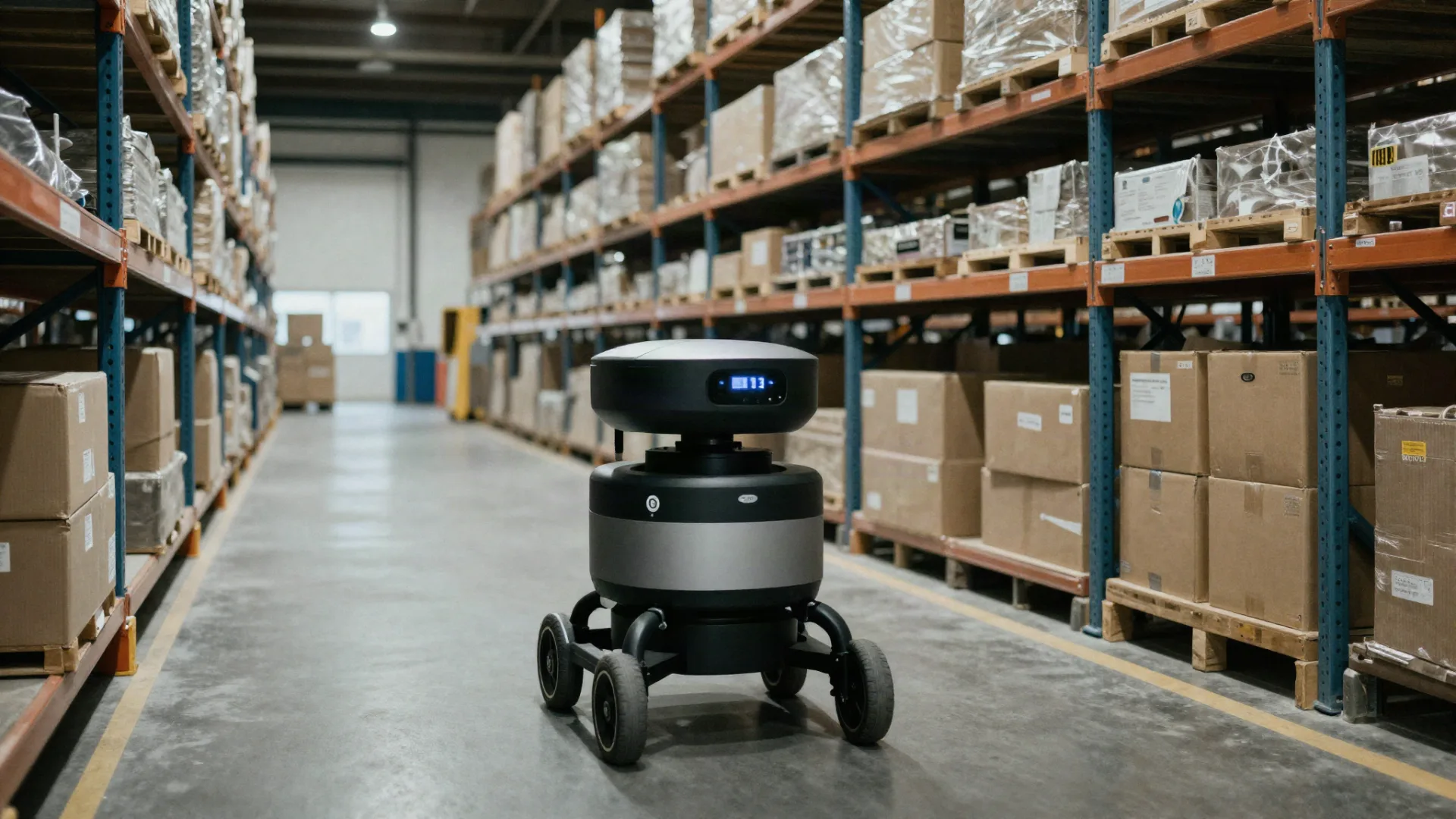
Robotics Integration represents another significant advancement on the horizon. Autonomous trucks and robotic loading systems will communicate directly with booking tools, creating seamless coordination between pickup booking and physical operations. This integration eliminates human error in the handoff between booking and execution.
3. Telematics Technology
Telematics technology will provide unprecedented visibility into carrier locations and estimated arrival times. Your booking tool will receive real-time updates from truck GPS systems, allowing for dynamic schedule adjustments that account for traffic delays or early arrivals.
4. Decision Intelligence Tools
Decision intelligence tools will emerge as game-changers, combining multiple data sources to provide actionable insights. These systems will analyze patterns across your entire supply chain network, recommending optimal slot utilization strategies and identifying bottlenecks before they impact operations. You'll gain the ability to make data-driven decisions that improve both efficiency and customer satisfaction.
Conclusion
The shift from manual freight booking to digital solutions is a game-changer in logistics operations. Digital booking tools bring significant improvements in communication efficiency, resource utilization, and operational visibility, giving companies a competitive edge in today's demanding supply chain environment.
With automated booking management, reduced vehicle waiting times, and seamless integration with existing warehouse management systems, the benefits are immediate. The impact of booking tools on logistics efficiency becomes clear when you consider the combined effects: increased throughput capacity, minimized operational disruptions, and data-driven decision-making capabilities across your entire freight network.
The logistics industry is evolving rapidly, with $50 billion worth of goods moving through North American facilities every day. Companies that adopt digital freight booking solutions will be better positioned to seize market opportunities while their competitors struggle with outdated manual processes.
Take action now to evaluate freight booking software for your operations. This technology has the power to turn your freight into an intelligent, automated asset instead of a data black hole. Your competitive advantage relies on making this transition before market pressures force you into reactive changes instead of strategic improvements.