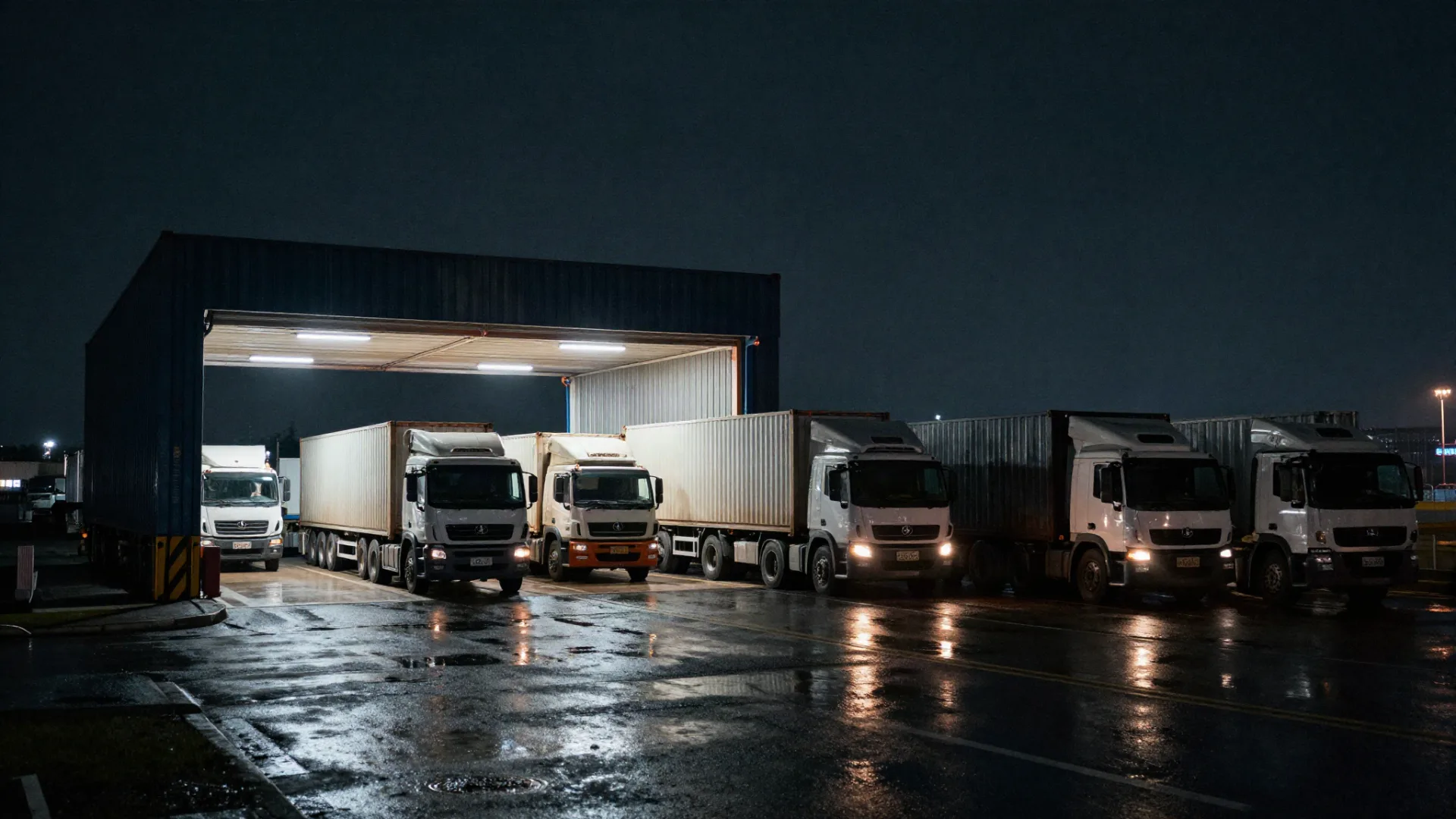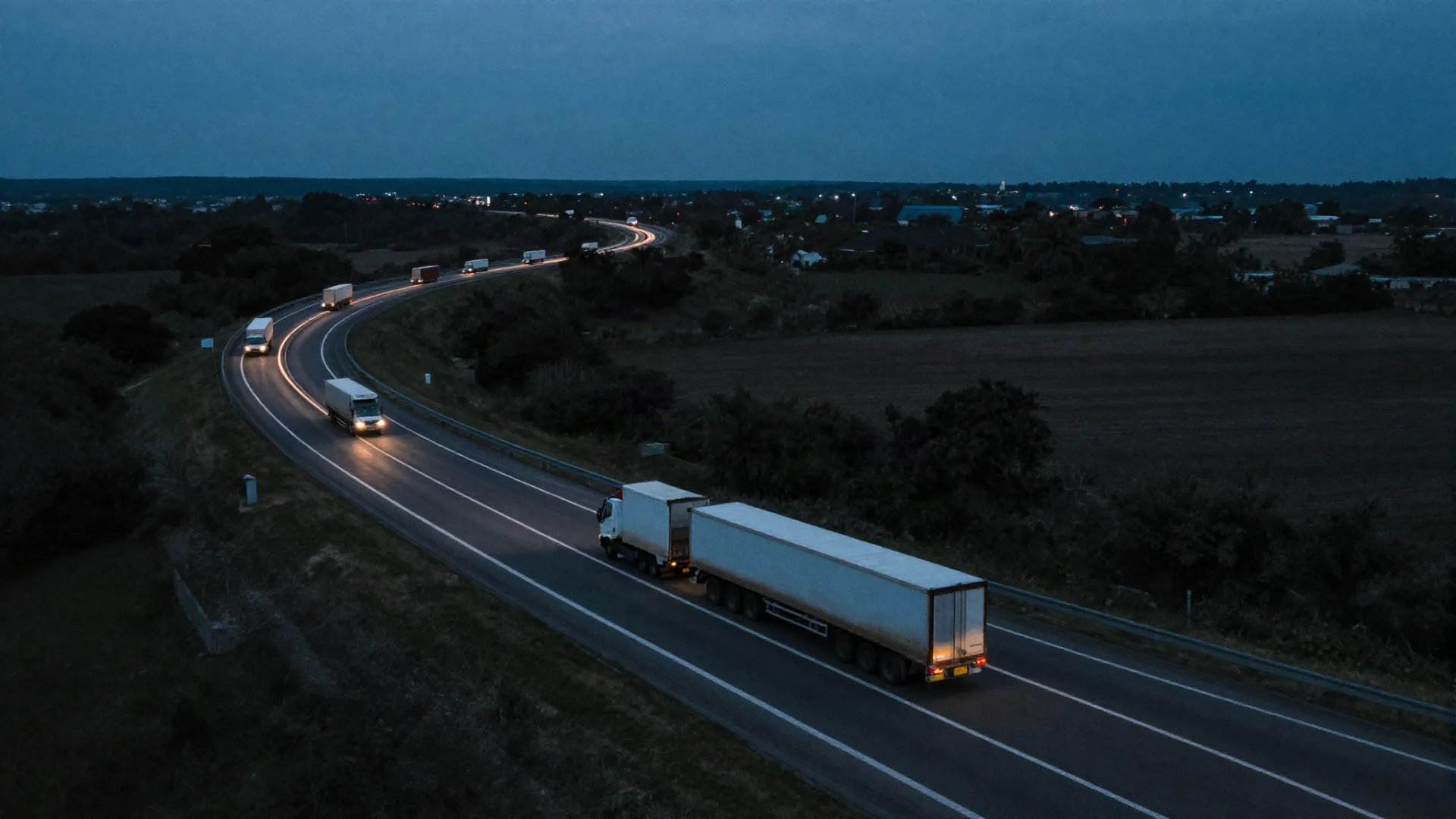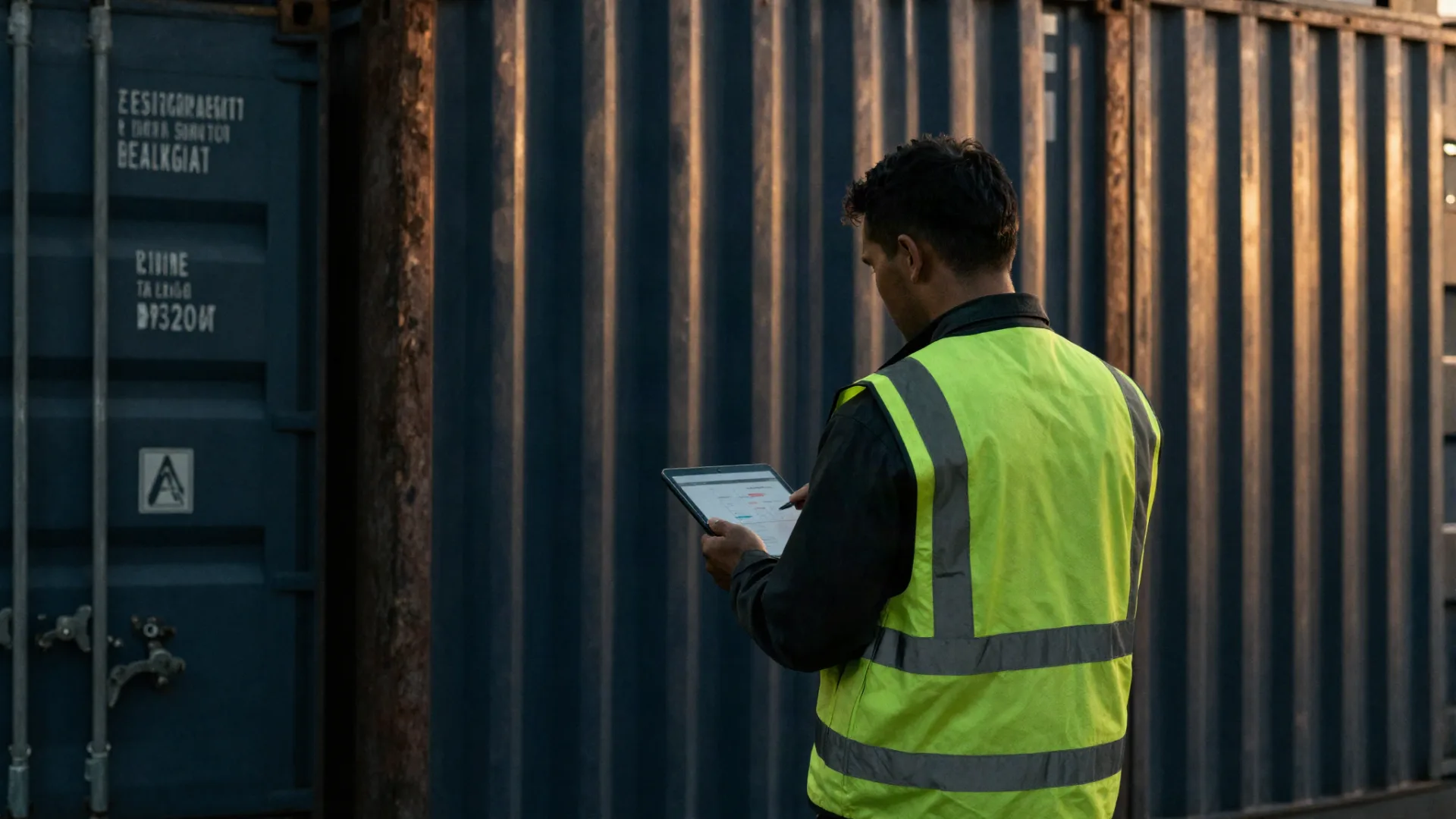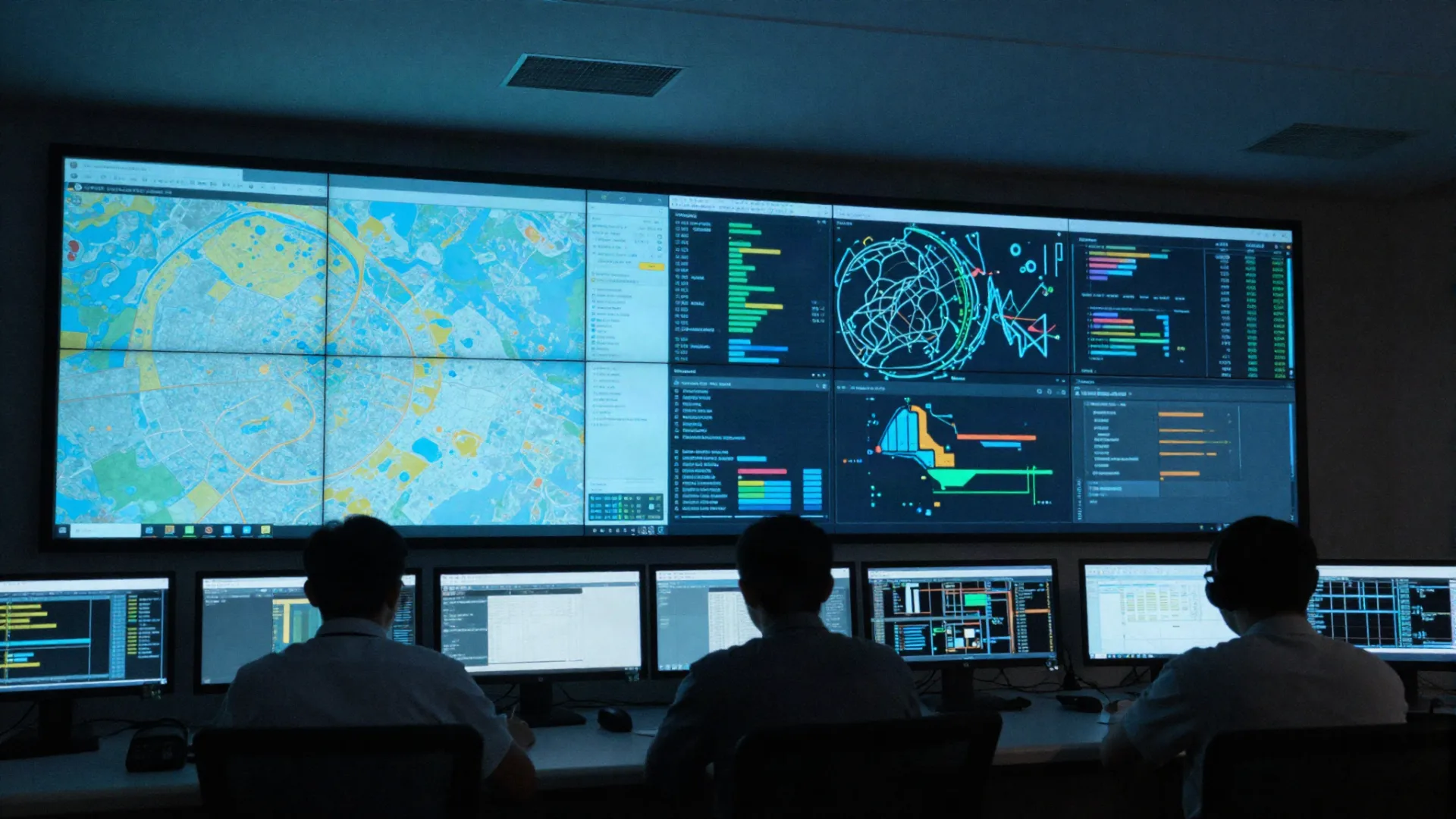

The logistics industry is facing unprecedented challenges. Supply chain disruptions, labor shortages, and rising customer expectations have revealed critical weaknesses in traditional freight operations. At the heart of these issues is a often-overlooked problem: the handoff.
Your freight isn't just a booking—it's the connection between your port and warehouse, where delays build up and inefficiencies multiply. Manual tracking, paper-based processes, and disconnected systems create blind spots that cost you time, money, and competitive advantage.
AI-powered Freight Control Towers represent a fundamental shift in how supply chains operate. These intelligent platforms combine live tracking, real-time data integration, and automated workflows to transform chaotic shipments into strategic control points. You gain visibility into every container, automate repetitive tasks, and make data-driven decisions that ripple across your entire supply chain.
The future of logistics belongs to shippers that embrace freight logistics innovation. If you're still relying on legacy systems, you're already falling behind.
The Growing Complexity of Modern Warehouse Logistics
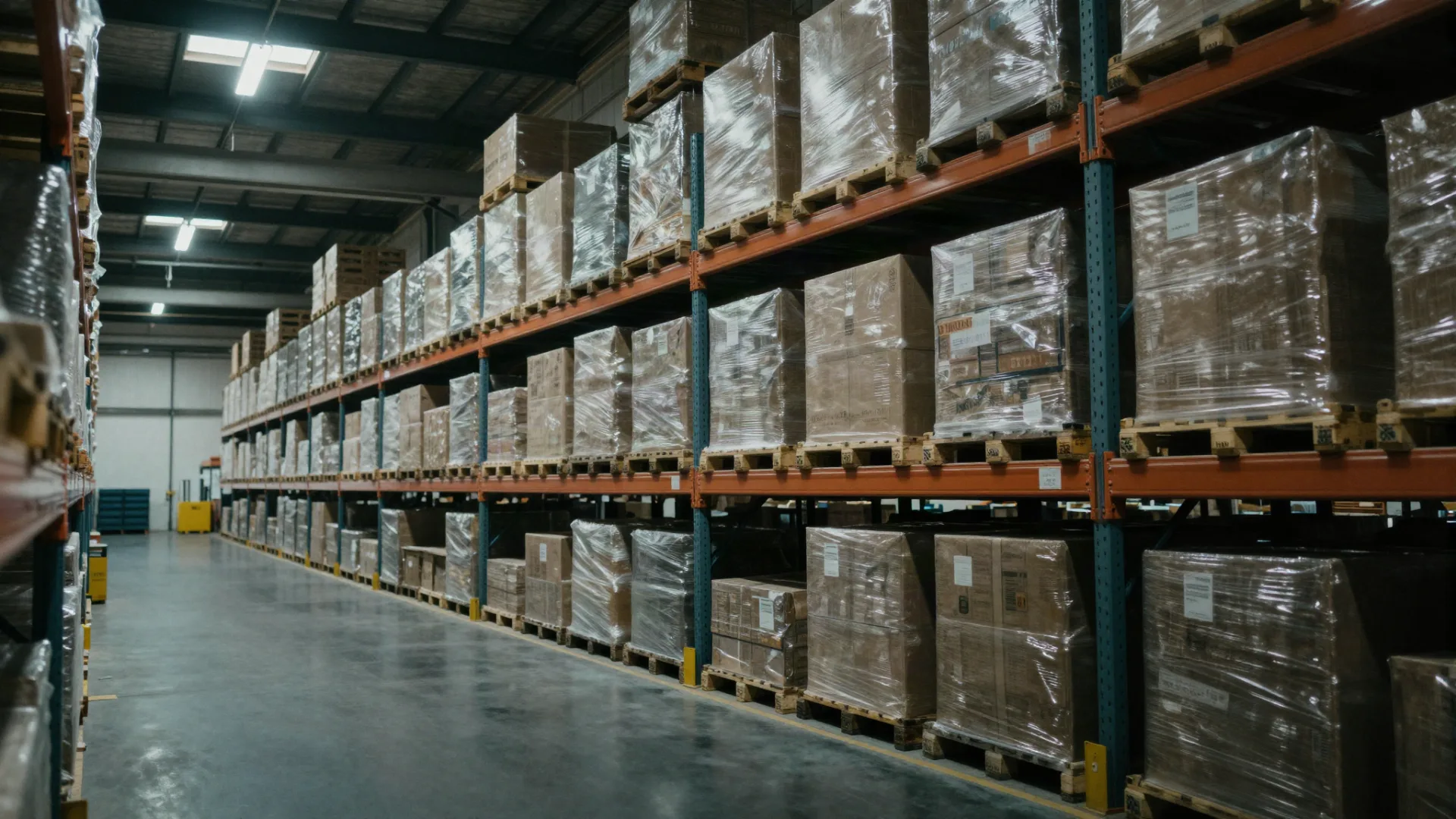
Supply chain complexity has reached unprecedented levels. You're dealing with shorter delivery windows, unpredictable demand spikes, and customers who expect real-time visibility into every shipment. Your freight network has become a pressure point where these demands collide with physical constraints.
Labor shortages hit freight operations particularly hard. You need experienced dispatchers, customs brokers, and freight managers, but finding qualified personnel becomes more difficult each year. When you're short-staffed, containers sit longer, drivers wait at ports, and demurrage fees pile up. The gap between what your operation needs and what you can staff creates a daily struggle.
Rising freight costs make every minute of inefficiency expensive. Each delayed container, each misplaced pallet, each manual customs entry adds to your operational spend. You're watching demurrage fees climb while operational inefficiency compounds across your network.
Manual processes and legacy systems can't keep pace. When your team relies on clipboards, phone calls, and spreadsheets to track hundreds of containers, you lose visibility. You can't find cargo quickly. You don't know which containers are ready for loading. Your customs processes bottleneck during peak season because each entry requires manual data entry and verification.
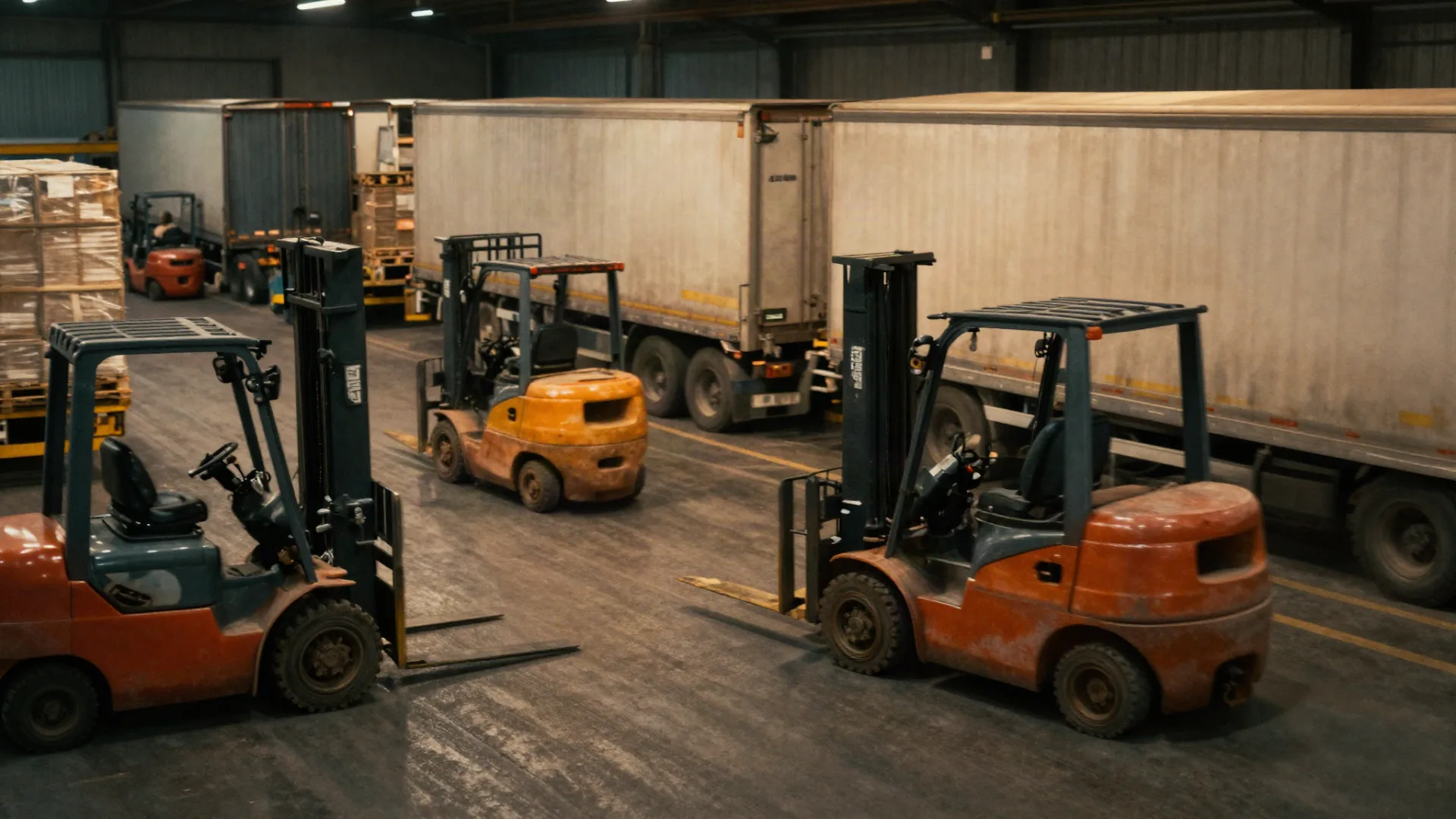
These legacy approaches create cascading delays. A driver arrives for pickup, but you can't locate their container for 45 minutes. Your warehouse bays sit empty while loaded containers remain buried at the port. Bookings slip, carriers charge fees, and your warehouse throughput suffers.
Understanding AI-Powered Freight Control Towers
An AI-native Control Tower represents a fundamental shift from traditional freight forwarding approaches. You're looking at a sophisticated technology stack built from the ground up with artificial intelligence at its core, not bolted on as an afterthought.
The foundation rests on three critical technology components:
1. Live tracking technology
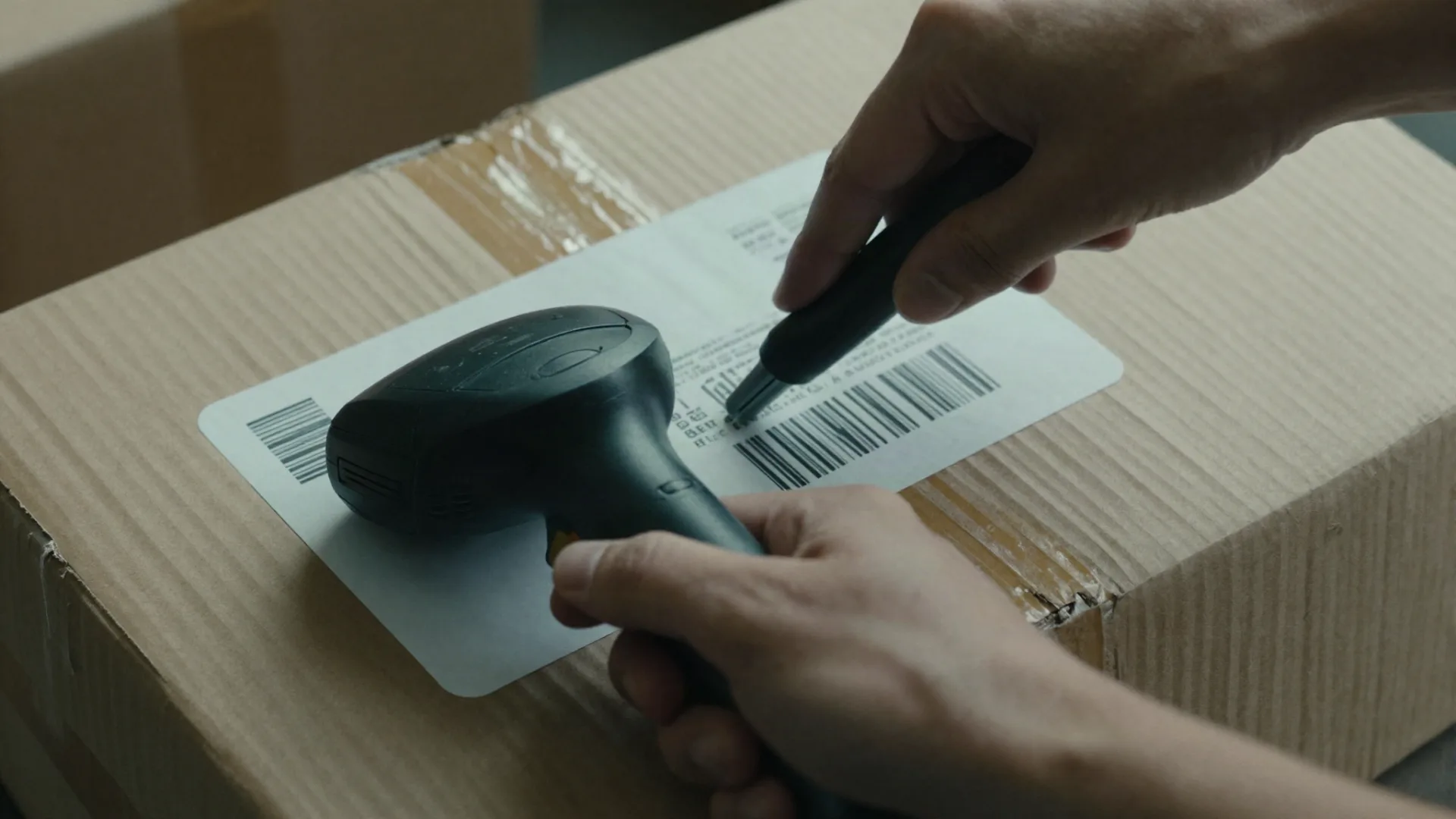
This is where the magic happens. Advanced sensors equipped with AI-powered tracking automatically identify and follow every shipment entering, moving through, and exiting your network. You get real-time data capturing container numbers, equipment types, and cargo conditions without manual scans or human intervention.
The accuracy rates reach 99.5%, eliminating the data gaps that plague traditional systems.
2. Real-time data infrastructure
Your freight generates massive amounts of data every minute. An AI-powered control tower processes this information instantly, creating a live digital twin of your physical freight operations. You see exactly where every shipment sits, how long it's been there, and what needs to happen next.
3. Intelligent automation workflows
These technologies work together to automate decision-making processes that previously required constant human oversight. The system learns your operational patterns, predicts bottlenecks before they occur, and automatically triggers the right actions at the right time. You're moving from reactive firefighting to proactive freight orchestration.
Key Features Driving the Future of Freight Forwarding
An AI-powered Freight Control Tower stands out with its intelligent features that tackle the biggest operational challenges.
1. Predictive Analytics for Proactive Operations
Predictive analytics is the backbone of modern freight operations, allowing you to forecast congestion patterns before they disrupt your workflow. With this feature, you can:
Anticipate peak shipping periods
Identify potential bottlenecks
Allocate resources proactively instead of scrambling to manage chaos
2. Automated Scheduling for Efficient Pickups
Automated scheduling changes the way you handle inbound and outbound pickups. The system intelligently sequences arrivals based on warehouse availability, carrier priorities, and operational capacity. This means:
No more manual coordination that takes up hours of administrative time
Reduced customs queues and driver wait times
3. Warehouse Optimization for Maximum Efficiency
Warehouse optimization algorithms continuously analyze your facility's throughput patterns. The system assigns containers to specific bays based on load characteristics, equipment requirements, and downstream processing needs. As a result:
Warehouse utilization is maximized
Unnecessary container moves that waste fuel and labor hours are minimized
4. Biometric Authentication for Secure Handoffs
Advanced systems use biometric authentication for better security and easier access control. With this feature:
Drivers can verify pickup in seconds instead of minutes
You have complete audit trails without extra paperwork
Identities are verified while important shipment data is captured, creating a smooth handoff experience that balances speed with security protocols
Benefits of Using an AI-Powered Control Tower in Warehouses
Shippers that use AI-powered freight control towers see significant improvements in key operational areas. Here are some of the benefits they experience:
1. Increased Throughput
With automated workflows in place, containers can move through the network more quickly and efficiently.
This leads to an increase in the number of containers processed within a given time period, resulting in a throughput improvement of 50% or more.
2. Lower Demurrage Fees
AI-powered systems help reduce driver wait times by automating customs clearance and optimizing container positioning. As a result, some operations have achieved 12% reductions in demurrage costs. This not only saves money but also strengthens relationships with carriers by respecting drivers' time and schedules.
3. Better Resource Utilization
By using live tracking and real-time data, manual tracking methods are replaced, leading to improved resource utilization. Dispatchers receive intelligent task assignments based on actual freight conditions rather than outdated information, resulting in more efficient use of their time and skills.
4. Greater Supply Chain Agility
The ability to respond quickly to disruptions, reroute shipments based on real-time capacity data, and make informed decisions using accurate shipment visibility gives businesses a competitive edge. The system automatically adapts to changing conditions, adjusting workflows and priorities without the need for manual reconfiguration or lengthy approval processes.
Real-World Impact: Case Examples Highlighting ROI Insights with an AI Control Tower
The numbers tell a compelling story when you examine actual deployments of AI-powered freight control towers. Corvane Cargo's clients consistently achieve rapid ROI in under five months, transforming what was once a multi-year technology investment into an immediate competitive advantage.
Demurrage Fee Challenge Resolved
Consider the demurrage fee challenge that plagues most warehouse operations. One large distribution center processing hundreds of daily container movements saw their demurrage fees drop by:
12% within the first quarter of implementing the Corvane Control Tower.
The AI-powered Fast Clearance application reduced their customs processing times by over 85%, eliminating the bottlenecks that previously kept drivers waiting and meters running.
Cost Savings Case Studies
Cost savings case studies reveal even more dramatic improvements:
A mid-market shipper with seven facilities reduced cargo search time by 90% through live tracking and real-time visibility
Multiple sites reported 50%+ throughput improvement after deploying Corvane Book & Track with automated workflows
Customs processing errors decreased by 75%, eliminating costly mistakes and rework
Immediate Operational Improvements
The pattern across these implementations remains consistent: shippers experience immediate operational improvements that translate directly into measurable financial returns. You're not waiting years to justify the investment—the system pays for itself through reduced labor costs, eliminated demurrage fees, and increased throughput capacity.
Transforming Freight into a Strategic Supply Chain Control Point with AI-Powered Solutions
Freight has traditionally been viewed as a passive transit stage—a necessary but unremarkable space between the port and the warehouse. AI-powered solutions fundamentally change this perception by transforming shipments into strategic logistics hubs that actively manage supply chain flow.
With Corvane's Network capability, you gain single-pane-of-glass visibility across multiple facilities. This real-time connectivity means your freight becomes a command center where you can monitor cargo locations, track shipment status, and coordinate movements across your entire network simultaneously. You're no longer managing individual lanes in isolation—you're orchestrating a connected ecosystem.
The strategic value becomes clear when disruptions occur. When a carrier delays pickup at one facility, your AI-powered system immediately identifies alternative routes with capacity and available assets. When demand spikes unexpectedly at a specific location, you can proactively redirect inbound shipments to prevent congestion before it impacts operations.
This proactive disruption management extends beyond your four walls. By integrating shipment data and booking information, you create predictive intelligence that anticipates bottlenecks hours or days in advance. Your freight stops reacting to problems and starts preventing them.
The shift from passive transit to active control point represents a fundamental reimagining of The Future of Logistics: Why Every Warehouse Needs an AI-Powered Freight Control Tower. You're not just moving containers—you're orchestrating supply chain velocity.
Selecting the Right AI-Powered Control Tower for Your Warehouse Needs
When evaluating vendors, it's important to have a clear understanding of your operational requirements and long-term goals. The right AI-powered Freight Control Tower should align with your specific lane complexity, transaction volumes, and integration needs.
Technology Foundation and Accuracy
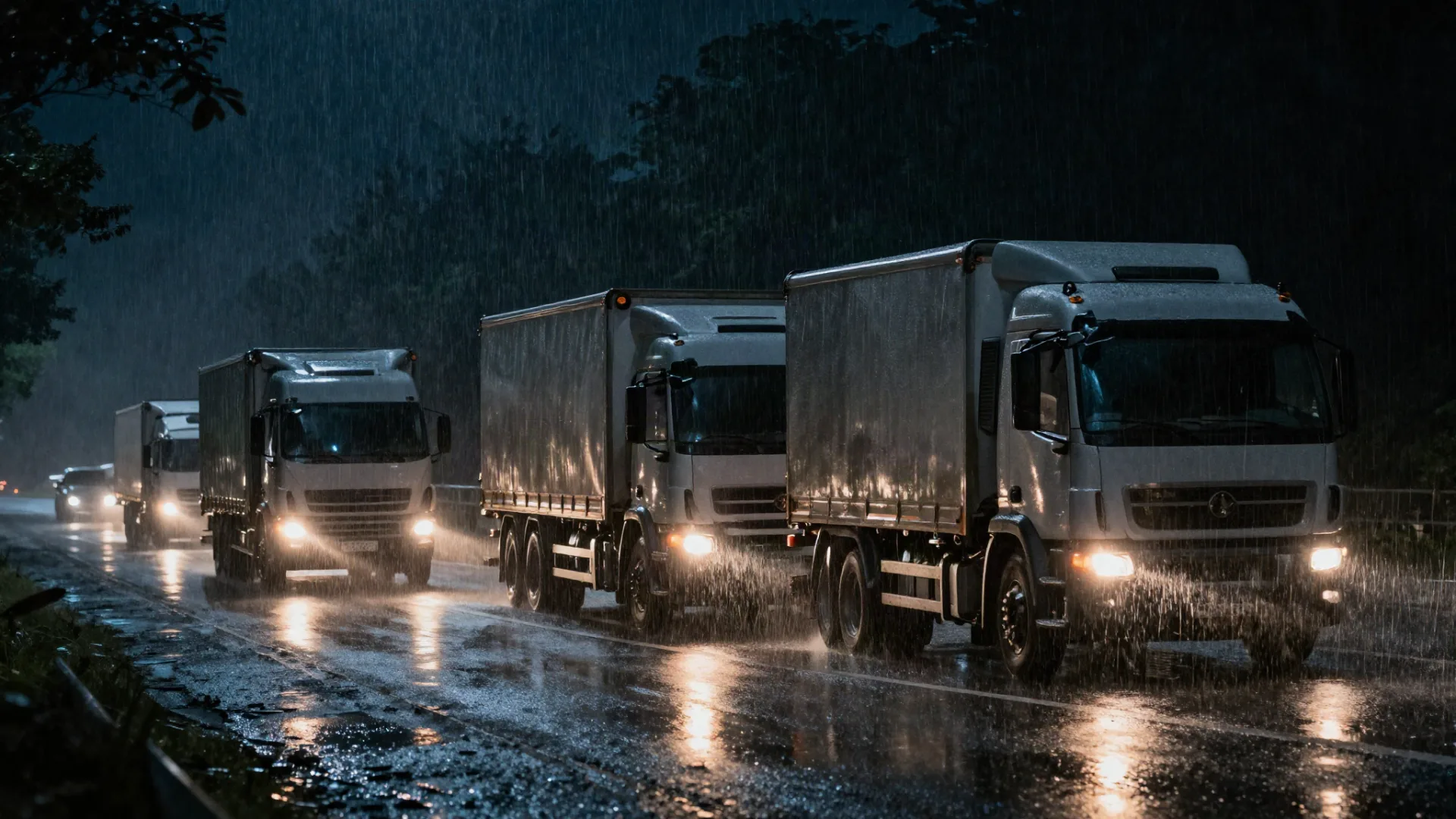
Look for a system that is built on modern, cloud-based architecture and has a track record of delivering accurate data. It's important to find vendors who can provide 99% or higher accuracy in their live tracking capabilities, as anything lower can lead to data quality issues and hinder automation efforts. When speaking with potential vendors, ask them about their proprietary technology stack and how their AI models perform in different weather scenarios, across different ports, and with various types of cargo that are specific to your operations.
Deployment Speed and Scalability
Consider how quickly a vendor can implement their solution. If a system requires extensive hardware installs, complex changes to infrastructure, or lengthy IT projects, it can cause unnecessary delays. The best solutions are those that can be deployed in hours or days instead of months. Additionally, think about scalability—can the system expand across your entire lane network without needing separate implementations at each location?
Integration Capabilities
Make sure that the platform you choose can seamlessly integrate with your existing warehouse management system (WMS), transportation management system (TMS), and enterprise resource planning (ERP) systems. This will eliminate the need for manual data entry and provide you with real-time visibility for better decision-making throughout your supply chain operations.
Conclusion
The logistics industry is changing quickly, and adopting logistics innovations is no longer a choice—it's necessary for survival. You've seen how Control Towers powered by AI can turn disorganized freight into strategic control centers, providing a return on investment in months instead of years.
The future belongs to shippers that embrace digital technology now. Picture your freight network functioning as a smooth, intelligent system where every shipment is monitored, every action is improved, and every choice is based on data. This isn't just a far-off dream—it's already happening at progressive facilities across North America.
Your competitors are already looking into these technologies. The real question isn't whether an AI control tower will become the norm in freight operations, but whether you'll be at the forefront or trailing behind this transformation.
Digitized freight offers more than just improved efficiency—it's the building block for sustainable and adaptable supply chains that can handle any obstacles that come their way. You have an opportunity right now to position your operations at the forefront of The Future of Logistics: Why Every Warehouse Needs an AI-Powered Freight Control Tower. The technology is ready. Are you?