
Your freight network is the critical bridge between your supplier and the customer, yet many operations still rely on spreadsheets, inboxes, and legacy systems to manage this complex environment. freight forwarding software serves as the operational backbone for tracking containers, coordinating pickup schedules, and orchestrating the constant flow of cargo through your network.
The problem? Outdated freight forwarding software creates a cascade of hidden costs that silently erode your bottom line. You're paying for these inefficiencies every single day through demurrage fees, wasted labor hours, and missed shipments, even if they don't appear as line items on your P&L statement.
The gap between legacy systems and modern freight operations has never been wider. While warehouses have achieved 99% inventory accuracy through advanced technology, many shippers still struggle to exceed 80% shipment accuracy using manual processes. This disparity directly impacts logistics efficiency and creates operational blind spots that cost you money, strain carrier relationships, and limit your competitive advantage.
Let's examine exactly where these hidden costs appear and how you can eliminate them.
Understanding Freight Forwarding Software and Its Evolution
Freight platforms are essential tools for efficiently managing container movements, keeping track of inventory, and coordinating activities at ports and warehouses in various facilities such as distribution centers, manufacturing plants, and logistics hubs. Essentially, a freight platform orchestrates the intricate process of managing cargo across your network, overseeing everything from when a booking is made at origin to when it is customs-cleared, loaded, and ultimately delivered.
The Limitations of Traditional Freight Practices
The world of traditional software tells a story we're all too familiar with. You've probably witnessed it firsthand: spreadsheets attempting to monitor container locations but quickly becoming outdated within hours, inboxes full of carrier bookings that require constant manual updates, and paper bills recording customs filings that end up buried in filing cabinets. These conventional methods rely heavily on human intervention, leading to delays and inefficiencies at every stage. In fact, a logistics manager might find themselves spending up to 40% of their day simply updating location information that is already outdated by the time it gets recorded.
The Rise of Modern Freight Solutions
Innovative freight solutions have completely redefined this operational approach. Cloud-based platforms now offer real-time visibility across your entire network of lanes, accessible from any device. With these solutions, you can expect immediate updates on container locations, automated booking for carrier capacity, and digital workflows that eliminate the need for manual data entry.
The Technological Advancements Driving Change
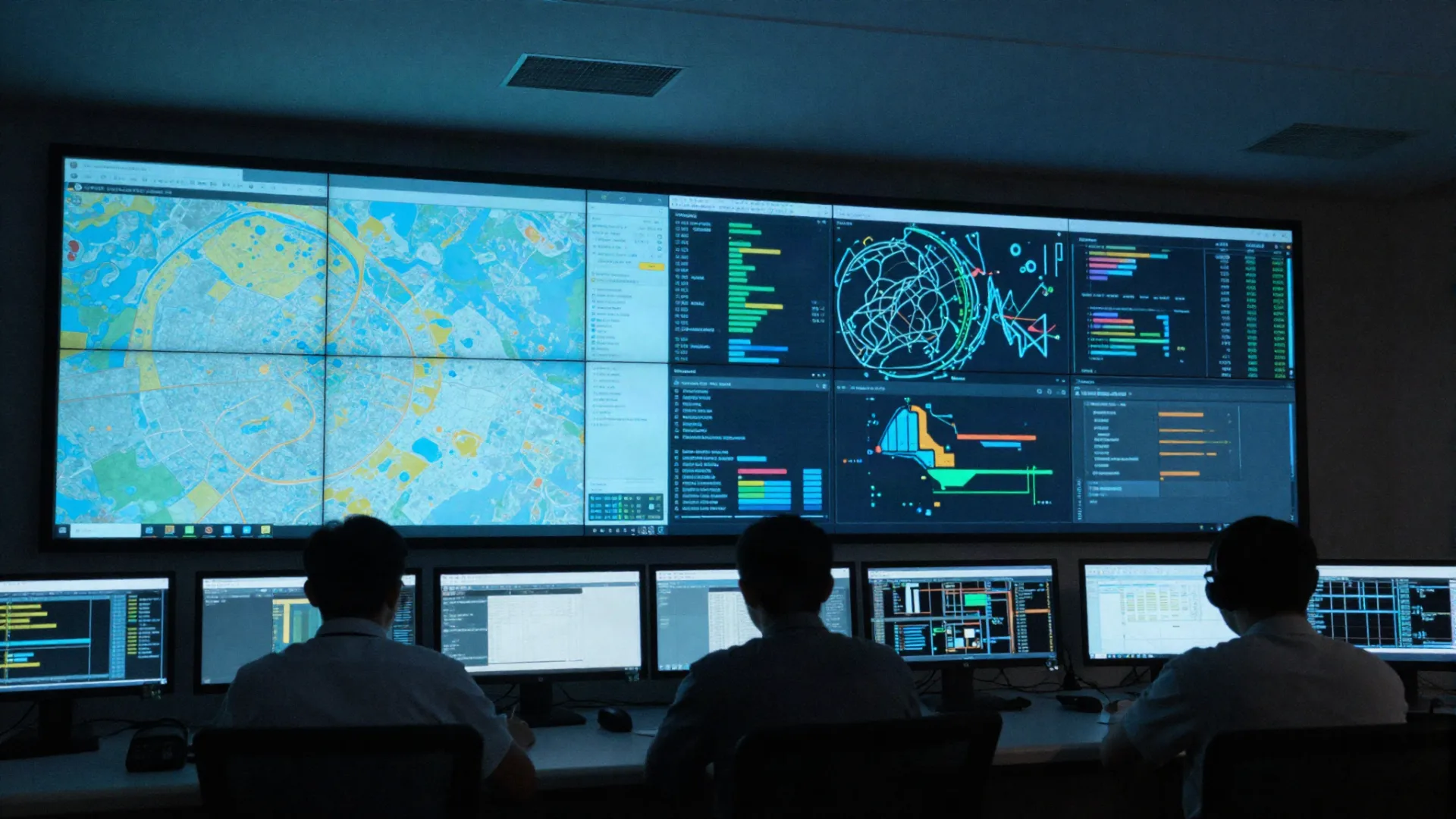
The technology behind these changes represents a significant advancement over traditional systems. AI-powered control towers like Corvane Control Tower use live tracking sensors and AI routing to automatically recognize and monitor cargo with an impressive accuracy rate of 99.5%, all without requiring any manual scans. Strategically placed sensors capture important information such as container identification numbers (IDs), seal numbers, and cargo conditions in real-time. This data is then processed using machine learning algorithms to create an up-to-date digital replica of your physical freight operations, a concept known as a digital twin. And lastly, AI agents can now diagnose exceptions (like a late vessel arrival for example) and make adjustments to your operations in real time to keep cargo flowing. Such a high level of automation would have been unimaginable just five years ago but is quickly becoming the norm for competitive logistics operations today.
The Hidden Costs of Outdated Freight Forwarding Software
The financial burden of legacy freight systems extends far beyond the initial software investment. These hidden expenses accumulate daily, draining resources and eroding profit margins in ways that often go unnoticed until they become critical operational challenges.
Inefficient freight processes create a domino effect that begins with container wait times and ends with substantial demurrage fees. When you rely on manual processes or outdated systems, containers sit idle while drivers search for cargo, brokers manually process paperwork, and schedulers struggle to coordinate loading and unloading activities.
Industry data reveals demurrage costs typically range from $75 to $150 per hour. For a high-volume distribution center receiving 200 containers daily, even a modest 30-minute average delay translates to $7,500-$15,000 in daily demurrage charges. Annually, this represents $2.7 to $5.4 million in avoidable expenses, money that could be redirected toward strategic growth initiatives.
What is outdated freight software actually costing you?
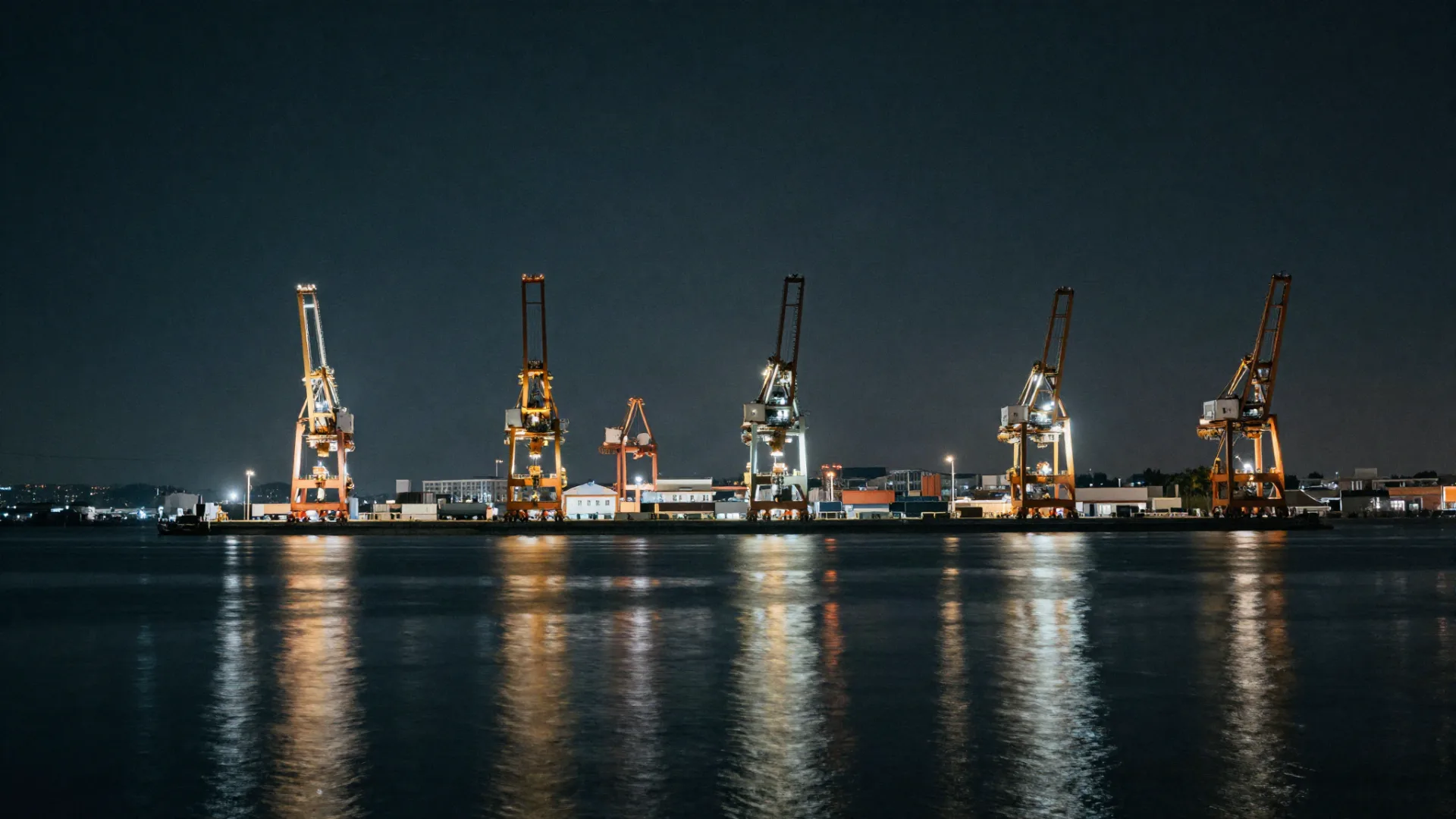
Port storage costs compound these challenges when containers remain at the terminal beyond free time allowances. The cumulative financial impact becomes particularly severe during peak seasons when port congestion intensifies and manual processes buckle under increased volume.
Labor Inefficiency and Productivity Loss
Manual processes consume extraordinary amounts of productive time. Research indicates drivers spend approximately 32% of their waiting time simply searching for containers, time that generates zero value for your operation. Customs brokers dedicate roughly 40% of their shifts to filing procedures that could be automated, while schedulers lose countless hours reconciling inventory discrepancies between physical counts and system records.
These inefficiencies translate directly to increased labor costs. You're paying workers to perform repetitive, low-value tasks rather than focusing on strategic activities that improve throughput. The productivity loss extends beyond individual roles, creating bottlenecks that reduce your network's overall capacity and delay shipments throughout your supply chain.
Without automated booking capabilities, carrier capacity utilization hovers around 62%meaning nearly 40% of your booked capacity remains underutilized. This inefficiency stems from poor coordination between inbound and outbound activities, creating periods of intense congestion followed by empty trucks and half-full containers.
Peak-season bottlenecks cause loading and unloading delays that ripple through your entire operation. Off-peak periods see trucks running empty while containers wait at port. This imbalance disrupts supply chain flow, delays shipments to customers, and forces you to maintain excess capacity to handle peak volumes that better booking could distribute more evenly throughout the year.
Inventory Accuracy Challenges with Outdated Freight Software
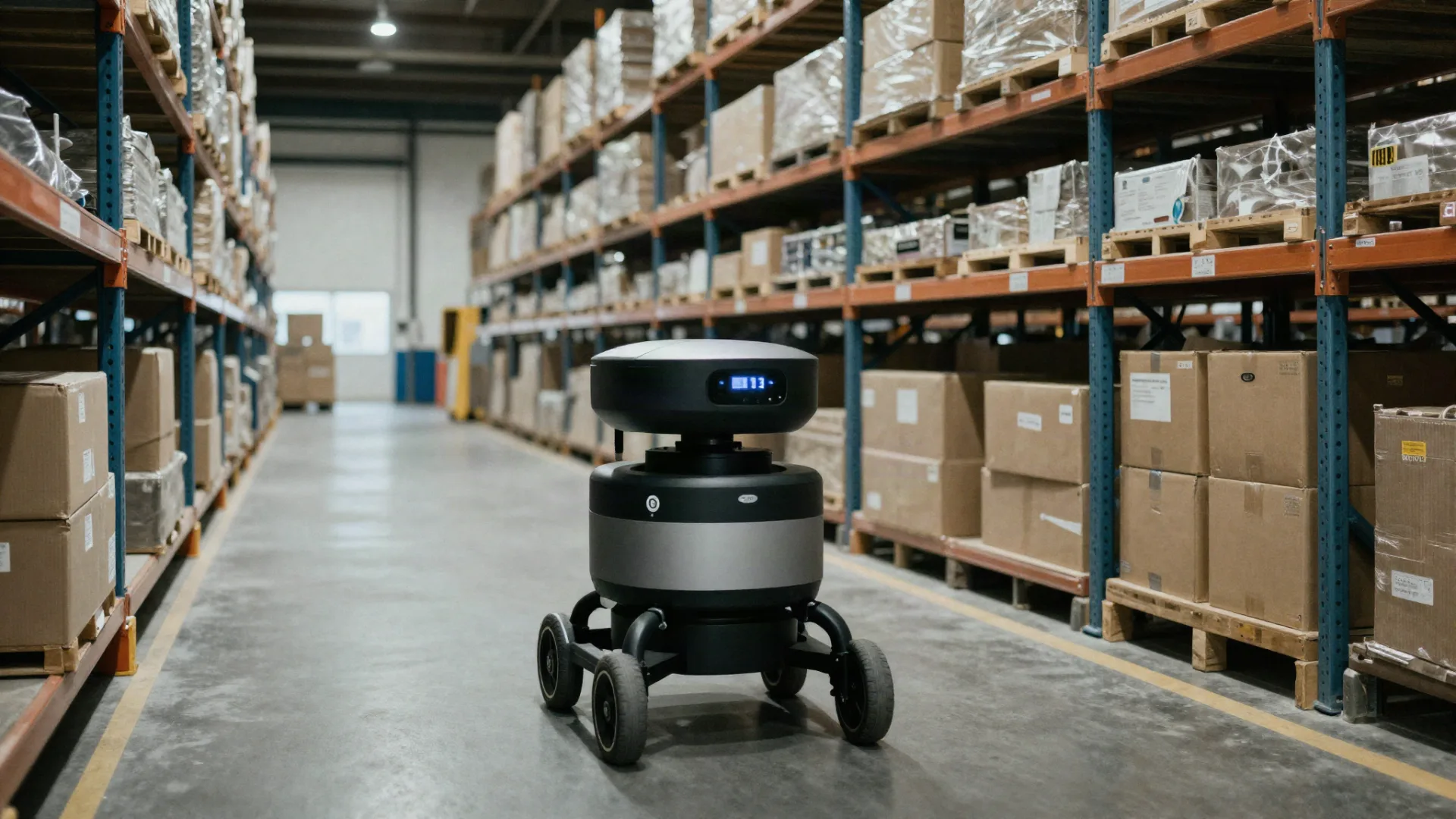
Freight in transit is a critical area in your supply chain where inventory accuracy often falls short. While warehouses typically achieve 99% inventory accuracy through barcode scanning and advanced Warehouse Management Systems (WMS), shippers using outdated systems struggle to maintain even 82% accuracy. This 17-point difference leads to a series of operational issues that you can't afford to overlook.
The Problem with Outdated Freight Software
Without real-time visibility into container locations and contents, you're essentially managing your in-transit inventory based on assumptions. Spreadsheets updated hours after customs filings don't reflect the current situation. Inboxes full of status emails become outdated as soon as a driver moves a load. You lose track of which containers hold which products, where they're sitting, and how long they've been delayed.
The Impact on Inventory Management
This lack of accuracy makes it nearly impossible to implement FIFO (First-In First-Out) inventory management effectively. When you don't know which containers arrived first or where they're currently located, you can't prioritize the oldest inventory for outbound shipments. The consequences are significant: product spoilage for temperature-sensitive goods, expired materials going unnoticed, and missed delivery windows that harm customer relationships.
Carrier Relationship Strain Due to Inefficient Freight Operations
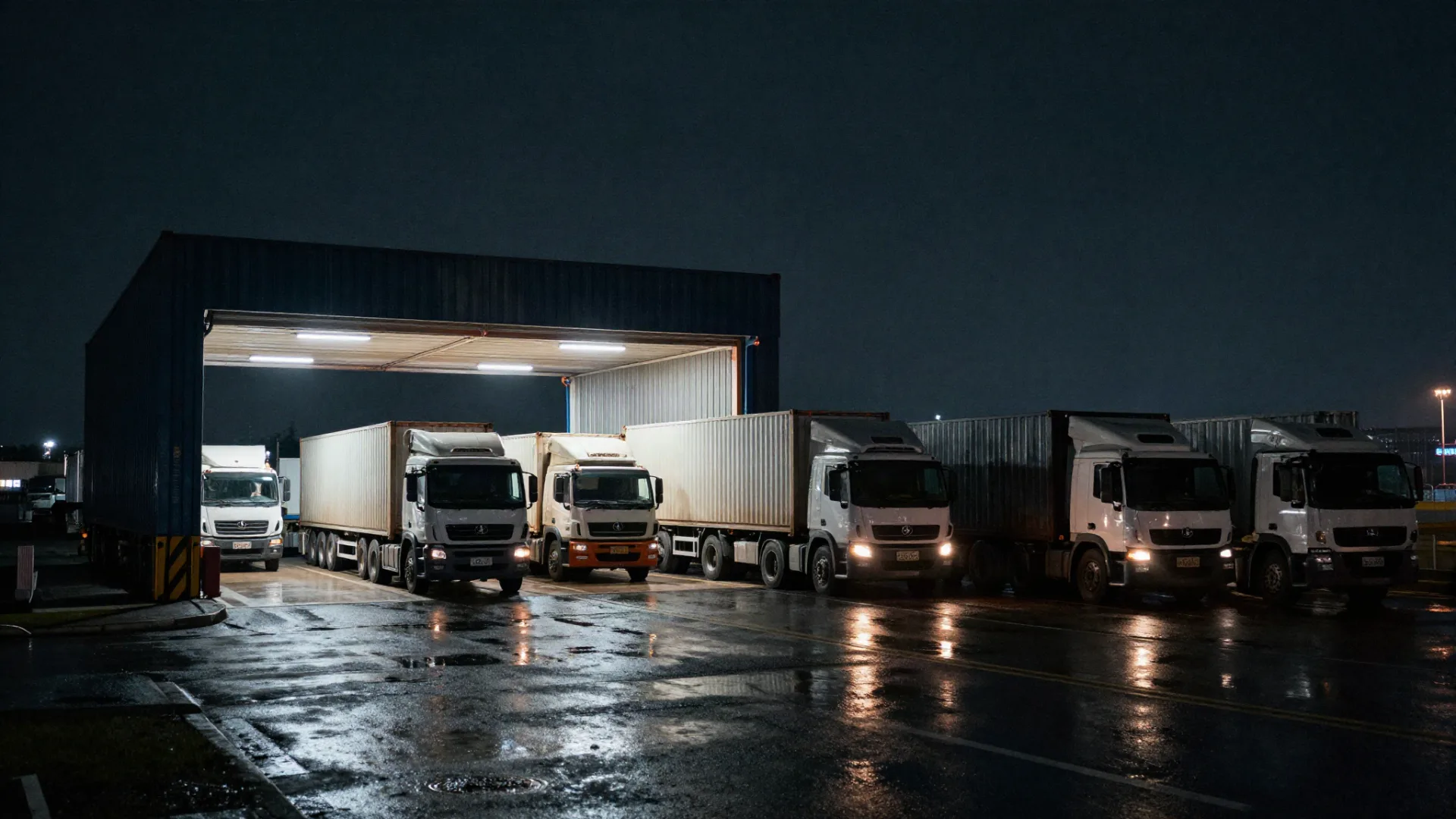
Carrier wait times are one of the most damaging yet overlooked consequences of outdated freight software. When drivers spend excessive time searching for containers or waiting at congested ports, driver frustration escalates rapidly. You're not just dealing with annoyed individuals, you're risking your company's reputation across the entire carrier network.
The effects go beyond immediate operational issues. Carriers carefully monitor shipper performance metrics, and shippers with consistently poor turnaround times quickly earn negative ratings. Drivers share their experiences through industry channels and forums, creating a reputation that's difficult to repair. You might find yourself losing access to preferred carriers who prioritize shippers with efficient operations.
When demurrage fees become routine rather than exceptional, carriers start including these delays in their pricing models. You'll face higher transportation costs as carriers add extra time to account for expected wait times. Some carriers may completely refuse to service your lanes, forcing you to rely on less reliable alternatives or pay premium rates to secure capacity during busy seasons.
Strategic Benefits of Modern Freight Platforms
Enhancing Supply Chain Resilience and Visibility
Modern freight platforms turn operational blind spots into strategic advantages with their comprehensive real-time tracking capabilities. Technologies like RFID tags and GPS sensors continuously monitor container locations, movements, and status updates across your entire network. You gain instant visibility into every shipment, whether it's sitting at a port, staged in a warehouse, or moving between locations.
This level of transparency becomes critical when disruptions occur. A delayed inbound shipment no longer causes chaos across your operation. Dynamic rescheduling algorithms automatically adjust delivery bookings, resequence loading priorities, and reallocate resources based on current conditions. Your team can respond to weather delays, carrier no-shows, or unexpected volume spikes without manual intervention or frantic phone calls.
Consider how Corvane Control Tower delivers 99.5% data accuracy through live tracking sensors and AI routing. You're not relying on manual updates or outdated spreadsheet entries, the system captures cargo movements automatically as they happen. This precision enables you to make confident decisions about inventory allocation, carrier assignments, and throughput optimization even during peak operational stress.
Sustainability Improvements Through Automation
Automation brings measurable environmental benefits that align with corporate sustainability goals. When your network operates efficiently, trucks spend less time idling at ports or searching for loading bays. Each minute of reduced idle time directly translates into lower diesel consumption and decreased carbon emissions.
Automated customs processes eliminate the stop-and-go patterns that plague manual clearance procedures. Drivers move through your network in a continuous flow rather than sitting with engines running while brokers manually verify paperwork and search for container locations. Intelligent routing sends equipment along optimized paths, minimizing unnecessary movements and fuel waste.
You're not just reducing your environmental impact, you're also cutting operational costs. Lower fuel consumption means reduced expenses for your fleet operations, while decreased truck idling extends equipment lifespan and reduces maintenance requirements.
How to Avoid the Hidden Costs of Outdated Freight Software
The path forward requires decisive action and strategic investment in modern technology. You need to move beyond legacy systems that drain resources and embrace solutions designed for today's complex logistics environment.
Adoption of Modern SaaS-Based Freight Solutions
Cloud-native freight platforms represent the most effective way to eliminate the hidden costs plaguing outdated systems. SaaS adoption offers immediate advantages: automatic updates, reduced IT infrastructure costs, and the ability to scale operations across multiple lanes without exponential increases in complexity or expense.
Cloud-based systems provide the flexibility you need to manage freight networks from a single interface. You gain unified visibility across all locations while maintaining lane-specific configurations. This scalability becomes critical when you're operating five or more warehouses, you can deploy standardized processes while accommodating local operational nuances.
The deployment speed of modern cloud-native solutions stands in stark contrast to traditional on-premise systems. You're looking at implementation timelines measured in weeks rather than months, with minimal disruption to ongoing operations. The rapid ROI potential—achievable in under five months—makes the business case compelling.
Key Features to Look For in a New Freight Platform
Your evaluation criteria should prioritize technology that delivers measurable operational improvements:
AI and Live Tracking Capabilities
Look for systems offering 99.5% data accuracy through live tracking sensors and AI routing. This precision eliminates the manual data entry errors that plague legacy systems and provides the foundation for automated workflows.
Real-Time Shipment Tracking
RFID and GPS technologies should provide live visibility into container locations, movements, and status. You need systems that automatically update shipment positions without manual scans or status calls.
Seamless System Integration
Your platform must integrate bidirectionally with existing WMS, TMS, and ERP systems. End-to-end visibility requires data flowing freely between systems, creating a unified view of your supply chain operations.
Automated Workflow Orchestration
Prioritize platforms that automate customs clearance, linehaul moves, and pickup booking through configurable, event-driven workflows. You want systems that reduce clearance times by 85% and eliminate the manual coordination consuming your team's time.
Best Practices for Successful Implementation of a New Freight Platform
Selecting the right freight platform represents only half the battle, successful implementation determines whether you'll realize the promised ROI. A phased deployment approach minimizes operational disruption while building confidence across your organization.
Start with core visibility features like shipment tracking and customs automation before expanding to advanced capabilities. This strategy allows your team to experience immediate benefits while gradually adapting to new workflows. You'll establish a foundation of accurate, real-time data that supports more sophisticated automation later.
Stakeholder engagement from day one separates successful implementations from failed projects. Your customs brokers, drivers, schedulers, and carrier partners all interact with the system differently. Involve these groups early to:
Identify pain points the new system must address
Customize workflows that match actual operational needs
Build champions who advocate for adoption among their peers
Gather feedback during pilot phases before full rollout
Corvane's implementation approach demonstrates this principle, its tracking sensors deploy in hours without custom hardware, allowing you to test core functionality quickly. The system's configurable workflows adapt to your specific processes rather than forcing you into rigid, one-size-fits-all procedures.
Document quick wins during early phases. When your clearance time drops by 85% or shipment search time decreases by 90%, share these metrics widely. Tangible results accelerate adoption across skeptical teams and justify expansion to additional lanes.
Conclusion
The Hidden Costs of Outdated Freight Forwarding Software (and How to Avoid Them) extend far beyond the obvious, they erode your competitive advantage, strain carrier relationships, and drain profitability through demurrage fees, labor inefficiencies, and missed opportunities. You can't afford to treat your freight as an afterthought when it directly impacts your bottom line.
Transforming freight operations with modern solutions like Corvane's AI-native Control Tower shifts this paradigm entirely. You gain real-time visibility, automated workflows, and data accuracy that reaches 99.5%, capabilities that legacy systems simply can't deliver. The strategic advantages are clear: reduced demurrage costs, improved throughput by 50%+, and faster ROI in under five months.
Your freight isn't just boxes in motion. It's a strategic asset that connects your entire supply chain. When you invest in modern freight technology, you're investing in operational resilience, carrier satisfaction, and sustainable growth. The question isn't whether you can afford to upgrade, it's whether you can afford not to.