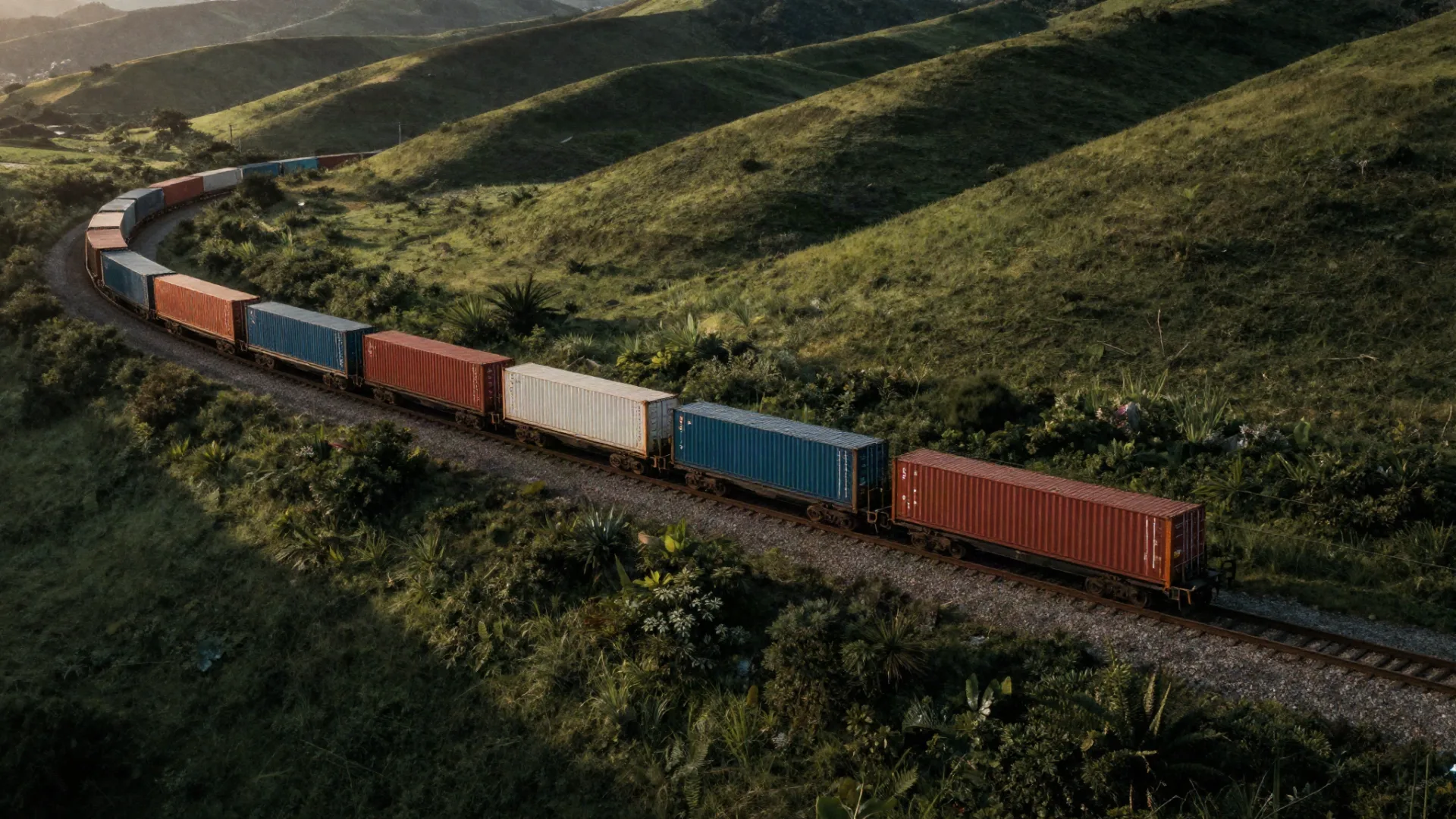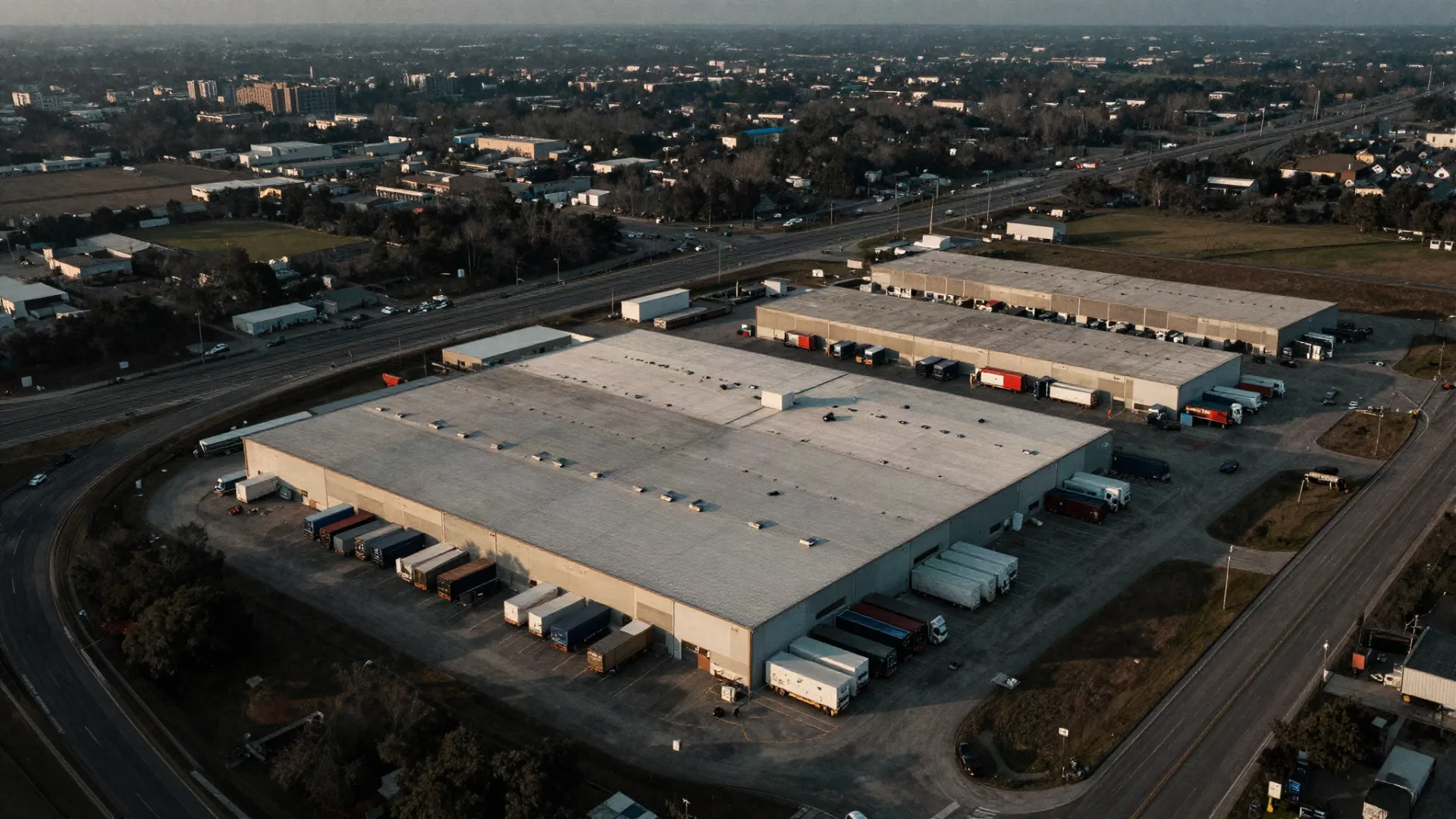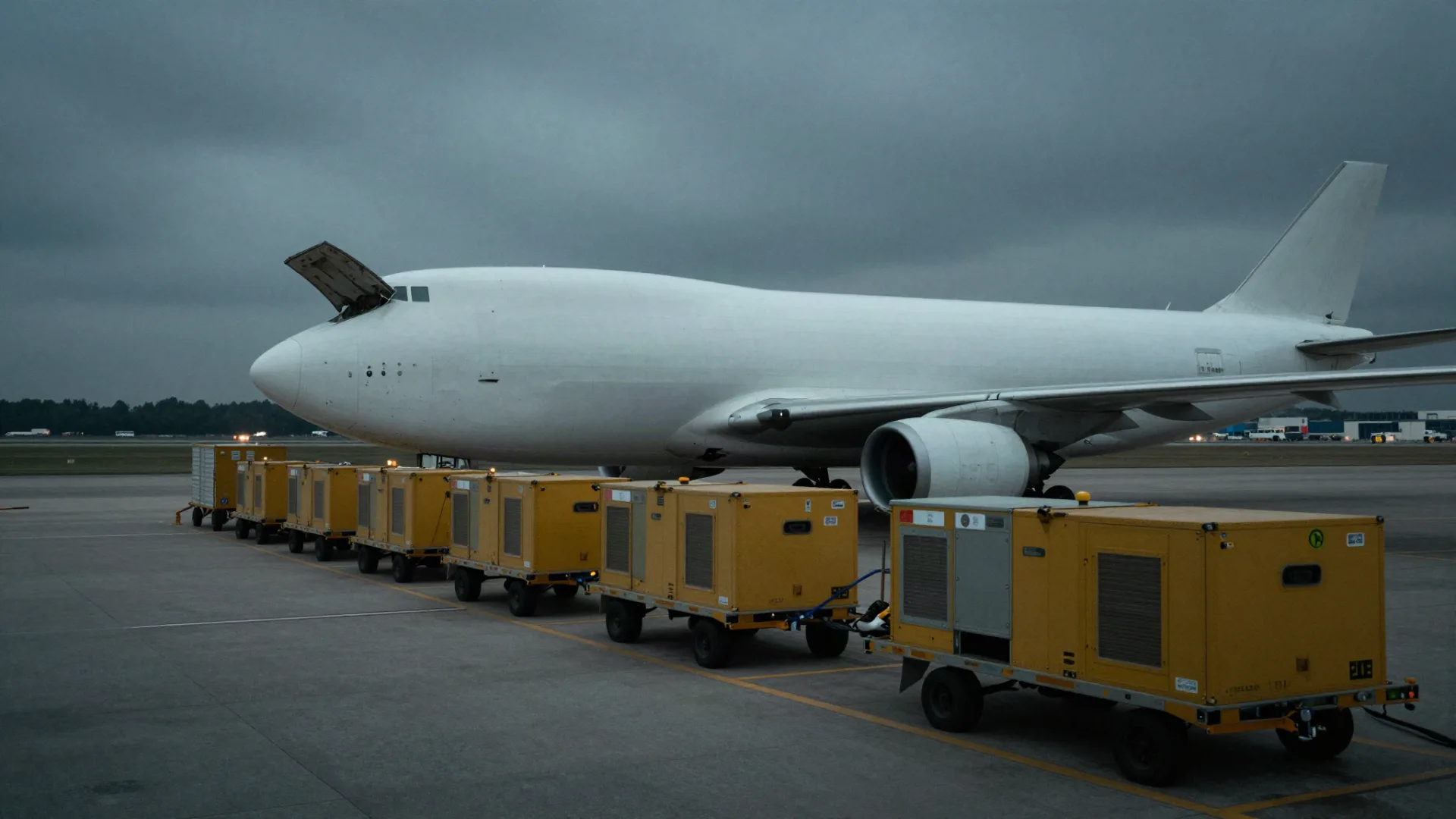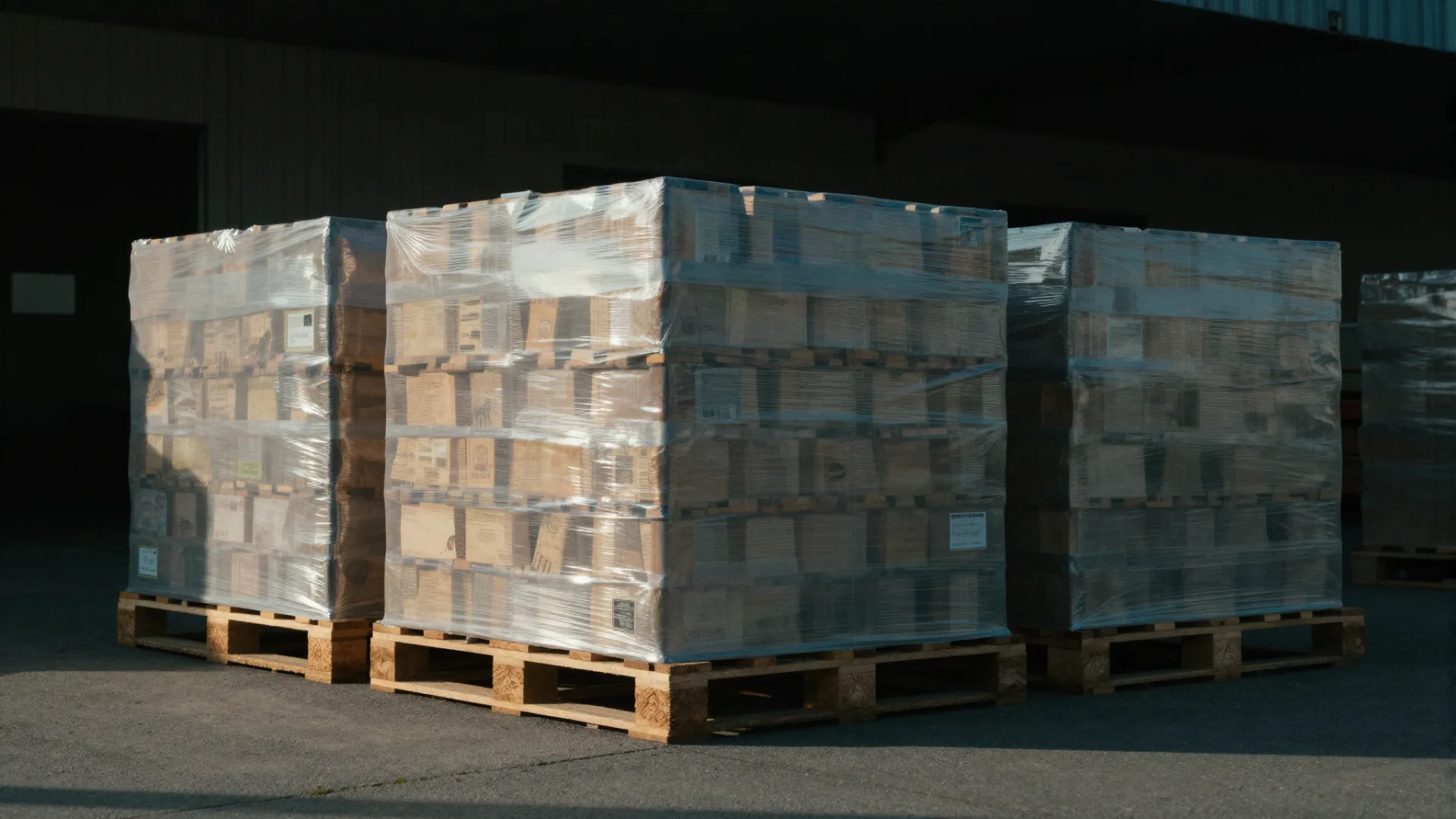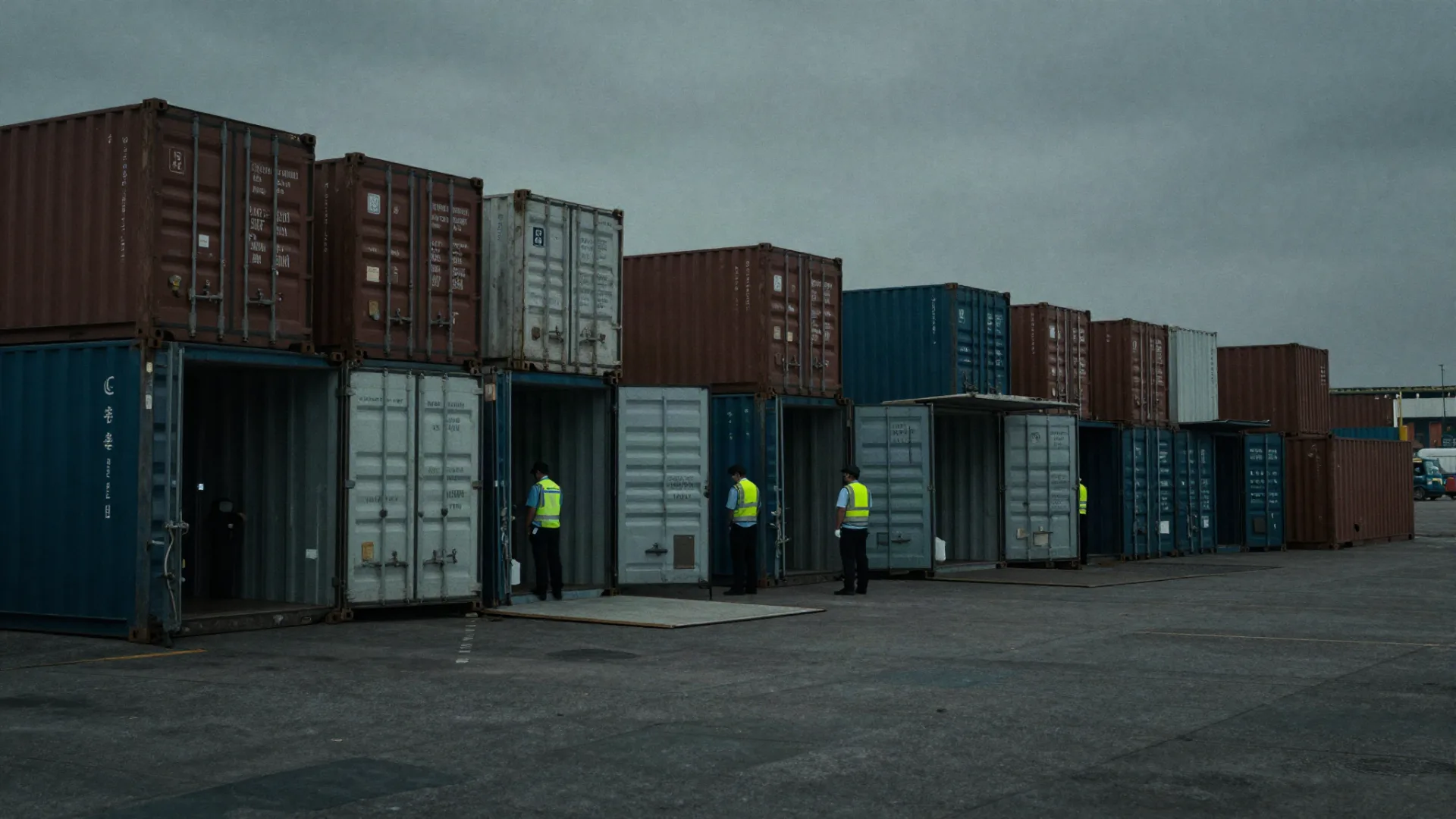

Freight forwarding software has become a critical tool for modern supply chain logistics, transforming how distribution centers and warehouses handle the complex choreography of inbound and outbound shipments. At its core, the platform digitizes and automates the movement of containers, trucks, and cargo across air, ocean and road—that often-overlooked space between the port and the warehouse where inefficiencies can silently drain your operational budget.
The stakes are high when it comes to delivery booking and cargo utilization. Poor coordination at receiving slots creates bottlenecks that ripple through your entire operation, leading to carrier demurrage fees, missed delivery windows, and frustrated warehouse teams scrambling to locate containers buried somewhere in transit. When you can't find cargo quickly or optimize how delivery slots are used throughout the day, you're essentially burning money while your supply chain efficiency suffers.
This is where freight forwarding software proves its value as a bridge between transportation and warehouse functions. The platform connects the dots between your Transportation Management System tracking shipments on the road and your Warehouse Management System orchestrating activities inside the building. By providing real-time visibility and intelligent automation across this critical middle ground, it enables you to coordinate arrivals, prioritize unloading sequences, and ensure every shipment is exactly where it needs to be—when it needs to be there.
Understanding Freight Forwarding Software
Freight Forwarding Software is a specialized logistics technology designed to manage the complex movements and activities across distribution centers, warehouses, and manufacturing sites. Essentially, it serves as a digital control center for your freight operations, turning what used to be a disorganized inbox into a well-organized asset.
The software acts as your operational hub, keeping track of every pallet, container, and vehicle from the moment it is booked until it is delivered. You gain real-time insights into cargo locations, status updates, and movement history—eliminating the frustrating searches that waste hours of productive time.
Core Platform Features That Drive Performance
Here are some key features of the platform that contribute to improved performance:
Delivery booking: This feature automates appointment management, balancing your inbound and outbound flows to prevent congestion at receiving bays. The system assigns specific time slots and delivery slots based on shipment priority, carrier requirements, and warehouse capacity.
Asset tracking: The platform uses technologies like RFID, barcode scanning, and IoT sensors to monitor containers and equipment throughout your network. You will always know the exact location and status of each shipment—whether it's loaded, empty, or awaiting customs.
Customs clearance: This feature streamlines customs filing and release processes by capturing critical data about drivers, equipment, and shipments while enforcing security protocols.
Dispatch coordination: The platform directs your dispatchers and drivers with intelligent work orders, optimizing their routes and prioritizing moves based on operational urgency.
Modern freight platforms seamlessly integrate with your existing WMS (Warehouse Management System), TMS (Transportation Management System), and ERP (Enterprise Resource Planning) systems. This creates a unified data ecosystem that eliminates information silos across your supply chain operations.
The Impact of Freight Software on Delivery Booking
Delivery appointment booking transforms disorganized freight operations into well-organized workflows. With automated booking in place, your system actively manages inbound and outbound shipments across available delivery slots, avoiding the delays that often occur in traditional operations. The software analyzes past trends, current freight conditions, and incoming appointment requests to evenly distribute traffic throughout the day.
1. Reducing Congestion through Intelligent Slot Allocation
The first step in reducing congestion is to allocate slots intelligently. Your platform takes into account various factors such as carrier priority, shipment urgency, product type, and receiving capabilities to determine the best slot for each appointment. By strategically assigning slots, you can prevent situations where multiple carriers arrive at the same time and compete for limited resources, resulting in costly delays and increasing demurrage fees.
2. Quick Financial Impact
The financial benefits become clear quickly. You'll notice a decrease in demurrage fees as carriers spend less time waiting for available slots. Your slot utilization rates will increase when the system eliminates gaps between appointments and minimizes idle time. One distribution center reported an improvement in throughput of over 50% after implementing AI-powered booking workflows.
See what better delivery booking could do for your throughput
3. Strengthening Carrier Relationships
When you consistently deliver on-time performance, your relationships with carriers will strengthen. Drivers will appreciate having predictable appointment windows and shorter wait times at your warehouse. Your warehouse team will benefit from steady workloads that are manageable instead of overwhelming surges followed by periods of inactivity. The data-driven approach ensures that every delivery slot operates at its highest efficiency during each shift.
However, it's important to note that delivery delays and demurrage are still significant issues that need to be addressed comprehensively through effective booking strategies.
Enhancing Cargo Utilization Through Freight Software
Cargo tracking is essential for efficient freight operations, and modern freight forwarding software uses various technologies to provide real-time visibility throughout your network. Here's how these technologies work together:
Live tracking sensors: AI-powered tracking systems automatically identify and follow containers without the need for manual scans or status emails.
IoT sensors and RFID tags: These provide additional layers of data capture for more accurate tracking.
Barcode scanning: This method serves as a reliable backup for verification purposes.
Creating a Comprehensive Cargo Inventory
By combining these technologies, you can create a complete inventory of cargo that updates continuously as shipments move through your network. This means you'll always have an up-to-date view of where every container is located.
Transforming Container Management with Real-Time Data
With real-time data at your disposal, you can shift from a reactive approach to a proactive one when it comes to managing containers. Instead of relying on outdated information, you'll have precise knowledge of where each shipment is positioned at any given moment.
Benefits of Proactive Container Management
Allocating containers and trucks based on actual freight conditions
Automatically matching available equipment with incoming loads
Assigning optimal staging locations based on cargo attributes
Minimizing empty travel time through effective sequencing of moves
This level of coordination can lead to significant time savings for dispatchers who no longer need to search for specific containers. In fact, some operations have reported up to a 90% reduction in shipment search time.
Predicting Equipment Needs with AI-Powered Workflows
To further enhance utilization, freight forwarding software incorporates AI-powered workflows that predict equipment needs and automatically trigger moves before bottlenecks occur. Here's how it works:
The system learns the patterns of your freight operations.
Task prioritization is adjusted dynamically based on these patterns.
High-priority loads receive immediate attention while idle time across the entire fleet is minimized.
As a result, you can expect measurable improvements in equipment turnover rates and significant decreases in transit time for both company-owned and carrier assets.
Streamlining Customs Clearance with Freight Forwarding Software
Clearance operations are one of the biggest challenges in freight logistics. By using customs clearance automation, you can turn this slow, manual process into a quick and efficient operation that gets shipments through in minutes instead of hours.
How Modern Freight Platforms Work
With the help of live tracking sensors and AI-powered workflows, modern freight forwarding platforms can automatically:
Identify arriving shipments
Verify credentials
Complete check-in procedures
All of this happens without any human involvement. As a result, you can expect to see clearance times decrease by as much as 85% when you implement these automated systems.
Benefits of Automation: Saving Time and Eliminating Manual Tasks
The software used in these automated systems has the ability to capture important information such as:
Container numbers
Carrier information
Load status
This data is collected through sensors and scanners, which means that drivers won't have to get out of their vehicles or dispatchers won't have to manually write down details on clipboards anymore. This not only saves time but also reduces the chances of errors in recording information.
Optimizing Vehicle Flow with Intelligent Traffic Management
Another advantage of using freight software is its ability to manage traffic patterns effectively. The system can intelligently coordinate both incoming and outgoing movements, preventing congestion at pickup and delivery points.
You have the flexibility to set access rules based on various factors such as:
Appointment times
Load priorities
Available delivery capacity
This ensures that regardless of how complex your network may be, there will always be a smooth flow of vehicles.
Financial Impact: Reducing Driver Wait Times and Demurrage Fees
One significant benefit of implementing these changes is the potential reduction in driver wait times. When clearance operates more efficiently, drivers spend less time sitting idle and more time on productive routes.
This has a direct impact on your bottom line as it leads to lower demurrage fees—some operations have reported decreases of up to 12%—simply by speeding up clearance processes.
Coordinating Freight Operations for Maximum Efficiency
Task assignment becomes strategic when you use freight software to coordinate daily activities. The system looks at real-time factors like incoming shipments, delivery slot availability, equipment location, and priority loads to intelligently decide the order of work for dispatchers and drivers. This replaces the guesswork that used to be a problem with dispatch management and instead uses data-driven task prioritization that adapts to the actual conditions on the road rather than fixed schedules.
Modern freight platforms like Corvane Cargo's Control Tower create workflows that can change dynamically based on shifting demands. When an urgent shipment arrives or a delivery slot unexpectedly becomes available, the system automatically adjusts the order of tasks and reallocates resources. This operational feasibility ensures that your dispatch personnel are always focused on the most important activities at any given time, minimizing wasted movements and maximizing productive hours.
The benefits of improved communication extend throughout your entire operation. Drivers receive real-time task updates through mobile solutions, eliminating radio chatter and confusion about priorities. Warehouse teams gain visibility into which containers are being staged for their slots, allowing them to prepare receiving or loading operations proactively. Logistics managers monitor move completion status through centralized dashboards, identifying bottlenecks before they cascade into larger problems.
You create a synchronized operation where information flows seamlessly between all parties, replacing fragmented communication with a unified system that keeps everyone aligned on current priorities and shipment status.
Best Practices for Implementing Freight Forwarding Software Successfully
Your implementation strategies determine whether you'll achieve rapid ROI or face costly delays. Start by mapping your specific business goals—whether you're targeting demurrage fee reduction, throughput improvement, or cargo visibility—to the software's capabilities. This alignment prevents feature bloat and ensures you're investing in functionality that directly impacts your bottom line.
Stakeholder engagement makes or breaks deployment success. Bring operations staff, IT teams, warehouse managers, and drivers into planning discussions from day one. These frontline users understand the pain points that need solving and can identify potential workflow conflicts before they become expensive problems.
Run pilot programs on a single lane before rolling out across your network. This approach validates system effectiveness in your actual operating environment and reveals integration challenges with existing WMS, TMS, or ERP systems. You'll gather real performance data that justifies broader investment and identifies necessary adjustments.
Training investment directly correlates with adoption rates. Dedicate time to hands-on sessions for customs brokers, drivers, and administrative staff. Users who understand the "why" behind new processes embrace change rather than resist it.
Scalability considerations matter from the start. Choose solutions that expand across your lane network without requiring complete reimplementation. Monitor KPIs like clearance time, shipment search duration, and delivery slot utilization weekly during the first 90 days. This data-driven approach enables continuous optimization and demonstrates measurable value to leadership.
Conclusion
Optimizing delivery operations and maximizing freight productivity through freight forwarding software delivers measurable cost savings while building sustainable supply chain improvements. You've seen how automated booking reduces demurrage fees, real-time cargo tracking eliminates wasted search time, and intelligent workflows boost throughput by 50% or more.
The future of freight forwarding software lies in AI-native solutions that adapt dynamically to your operational demands. Modern platforms like Corvane Cargo's Control Tower demonstrate how live tracking sensors and agentic AI transform traditional supply chains into intelligent, self-optimizing operations. When you embrace these technologies, you're not just solving today's challenges—you're building resilient logistics infrastructure that scales with your growth.
How to Use Freight Forwarding Software to Improve Delivery Booking and Cargo Utilization starts with selecting solutions that align with your specific goals, but success depends on thorough implementation and continuous optimization. Your freight operations deserve technology that delivers rapid ROI while preparing your supply chain for tomorrow's demands.