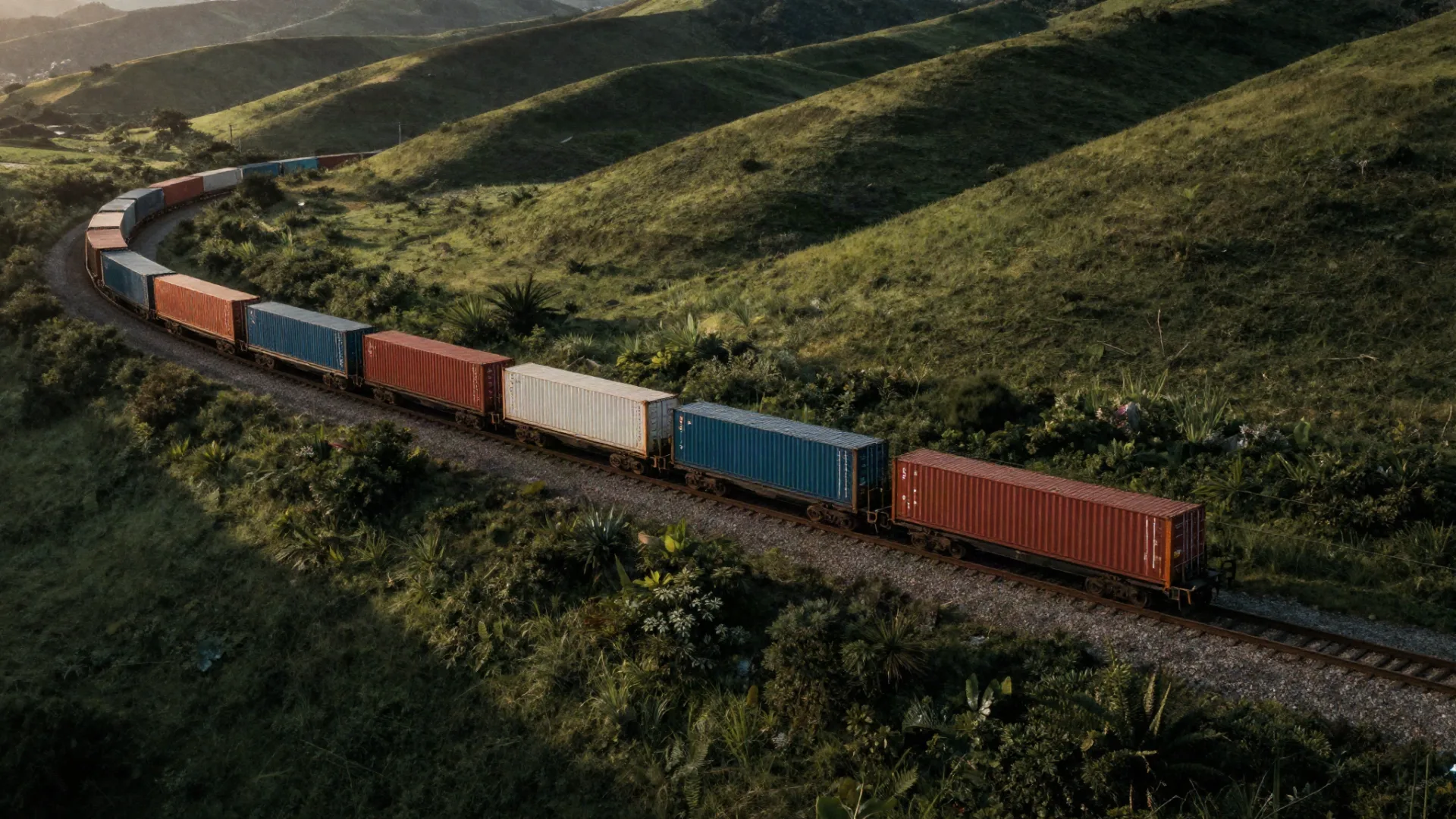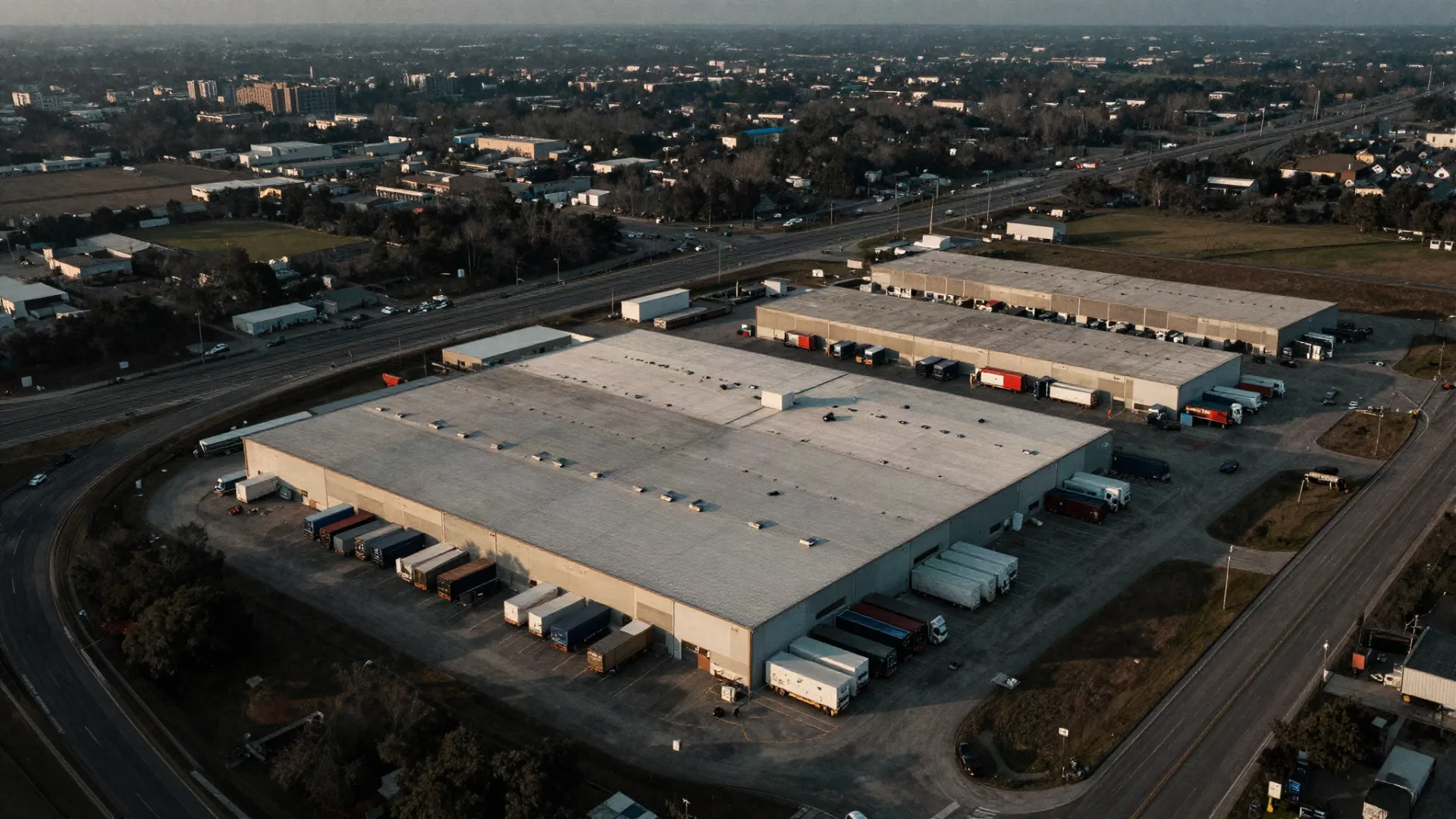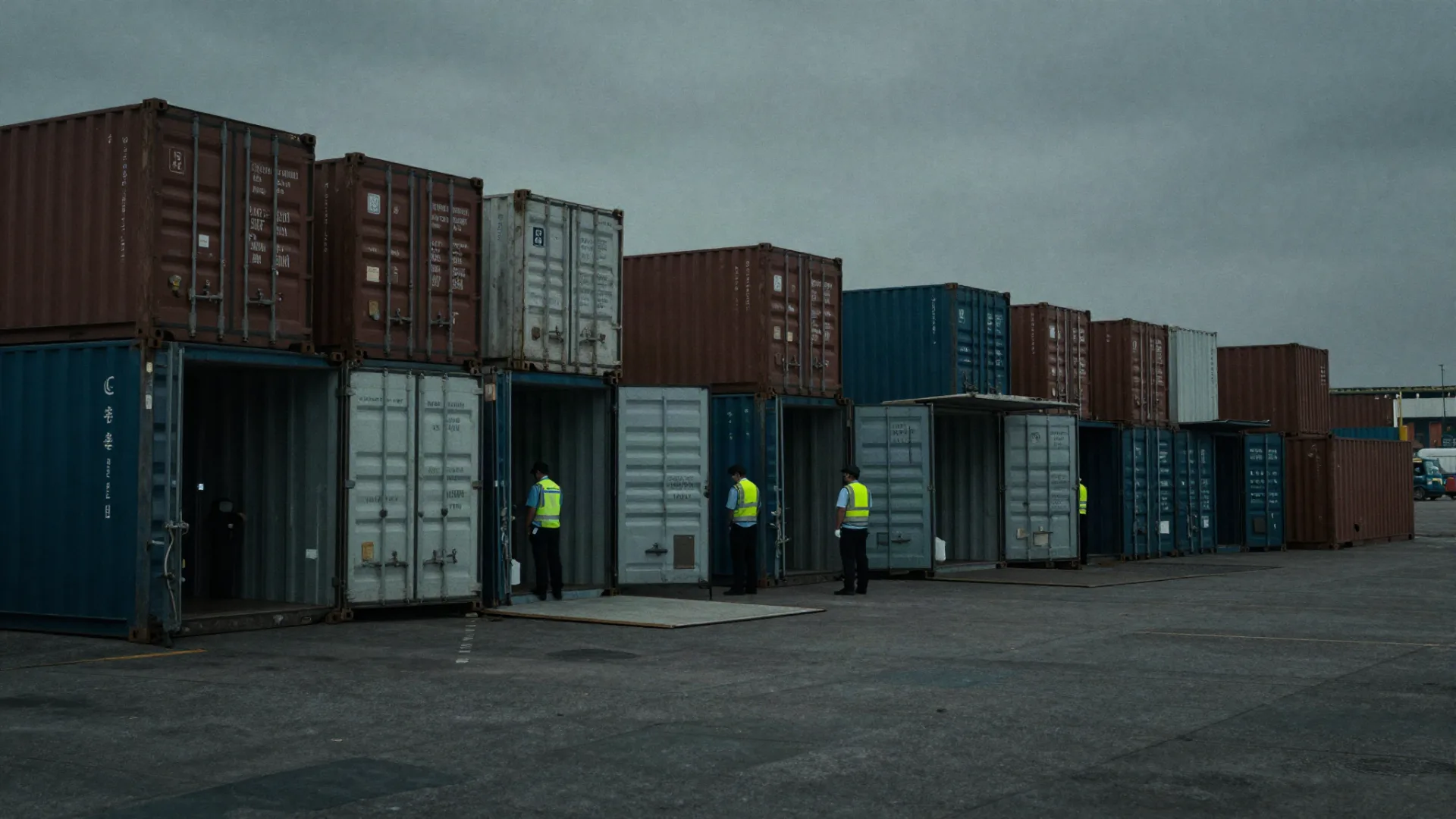

A Freight Forwarding Software is essential for managing global shipments. It helps coordinate the movement of containers, book pickups, and oversee customs activities throughout your network. You can think of it as the control center for traffic, ensuring everything runs smoothly across your lanes. It keeps track of every shipment from the moment it leaves the shipper until it is delivered.
When you have multiple warehouse locations, having real-time visibility becomes crucial. Without this visibility, you'll be operating without any awareness of where your cargo is, which carriers have space, or how long containers have been sitting at port. This lack of information directly affects your profits through higher demurrage fees, missed deliveries, and inefficient use of resources.
The challenges become even greater in multi-hub operations that don't have centralized management:
Each hub operates independently with its own processes and separate data
Locating specific containers across your network quickly becomes difficult
Different workflows between hubs create training problems and operational inefficiencies
Manual tracking methods result in inaccurate data and delayed decision-making
Coordinating moves between facilities becomes a logistical nightmare
These gaps in operations not only slow you down but also cost you money, frustrate carriers, and limit your ability to grow. To optimize logistics effectively, we need a more intelligent approach that offers unified visibility and control over our entire freight network.
Understanding Freight Forwarding and Its Role
A Freight Forwarding Software is a crucial tool for logistics teams. It provides digital control over all activities from pickup to final delivery. In simple terms, a forwarder platform has three main functions:
Tracking the locations of containers across the network
Coordinating bookings for carrier capacity
Managing the movements of shipments crossing borders and customs
These systems turn what used to be a disorganized process relying on paper documents into a well-organized operation driven by data.
How Freight Forwarding Solves Common Problems in Logistics
The true value of freight technology lies in how it addresses critical issues that often affect traditional logistics teams. Here are some common problems faced without it:
Lack of Visibility: Without a control tower, you have limited visibility into your shipments. You're relying on dispatchers (the people responsible for moving cargo) to remember where they sent each load, which can lead to confusion and delays.
Inefficient Customs Clearance: Customs clearance involves recording information about cargo entering and leaving a country. Without a platform, this process may be manual and prone to errors, leading to longer wait times for shipments and potential compliance risks.
Guesswork in Carrier Booking: Carrier booking determines which shipment goes on which flight, vessel, or truck. Without data-driven insights from a platform, these bookings may be based on guesswork rather than actual capacity or scheduling requirements.
These inefficiencies create bottlenecks that can affect your entire supply chain's efficiency.
The Evolution of Freight Technology
The logistics technology landscape has evolved significantly over time. It has moved from basic tracking systems to more advanced platforms that offer greater capabilities.
Corvane Control Tower represents this next generation, an AI-native solution that doesn't just digitize existing processes but fundamentally reimagines them.
Key Features of Corvane Control Tower
AI-Native Solution: Control Tower leverages artificial intelligence to optimize freight operations, enabling smarter decision-making and resource allocation.
Proprietary Live Tracking Capabilities: With its unique tracking sensor network, Control Tower achieves an impressive data accuracy rate of 99.5%. This ensures reliable tracking and monitoring of containers across the network.
Modular Software Applications: Control Tower offers flexibility through its modular software applications, allowing you to customize and integrate specific functionalities based on your operational needs.
Automated Workflows: By combining real-time data infrastructure with modular software applications, Control Tower enables automated workflows that can significantly improve throughput by over 50%.
This approach not only enhances efficiency but also provides comprehensive visibility across your multi-hub operations, something traditional systems often struggle with.
Centralized Data Management for Multi-Site Control
Managing logistics operations across multiple facilities without a centralized data system creates information silos that slow decision-making and breed inconsistencies. When each hub operates on separate systems, you're forced to manually compile reports, reconcile discrepancies, and make decisions based on incomplete information. A unified platform consolidates real-time data from all your hubs, covering container locations, carrier capacity, customs status, and cargo movements, into a single source of truth that eliminates guesswork.
Standardized workflows across geographically dispersed hubs transform how your teams operate. When every facility follows the same processes for booking, customs filing, and cargo movements, you reduce training time for new employees and transfers between locations. Your brokers in California can apply the same best practices as their counterparts in Texas, creating consistency that improves overall network performance. This multi-facility coordination prevents the chaos of each hub developing its own procedures that don't communicate with the broader operation.
Unified control delivers agility when unexpected changes hit your network. A delayed shipment at one port can trigger automatic adjustments across your other hubs. You can redistribute loads, reassign resources, and balance capacity in real-time rather than discovering problems hours later through phone calls and emails. This centralized visibility means faster response times to weather disruptions, carrier delays, or sudden demand spikes, keeping your entire network running smoothly even when individual hubs face challenges.
Furthermore, implementing a centralized data management system allows for enhanced data-driven decision making. By leveraging comprehensive data analytics from all lanes, you gain valuable insights into operational efficiencies and areas needing improvement. This not only optimizes current processes but also aids in strategic planning for future growth.
Ready to unify visibility across your freight network?
Real-Time Tracking Technologies Enhancing Visibility
The foundation of effective multi-hub freight management rests on real-time tracking technologies that capture every movement, status change, and activity across your logistics network. Modern freight platforms deploy multiple tracking methods to ensure comprehensive visibility.
1. GPS Tracking
GPS tracking provides continuous location data for containers and equipment moving within and between hubs. This technology eliminates the time-consuming manual searches that once plagued freight operations, allowing you to pinpoint any shipment's exact position within seconds.
2. RFID Integration
When combined with RFID tags attached to containers, you gain automated identification capabilities that trigger system updates the moment cargo passes through ports or designated checkpoints.
3. Live Tracking Sensors
Live tracking sensors take tracking to another level by automatically identifying and monitoring cargo through connected devices. Corvane's AI-powered sensors achieve 99.5% data accuracy in cargo identification, creating a live map of your entire network without requiring manual scans or additional GPS devices on every pallet.
4. AI Dashboards for Actionable Insights
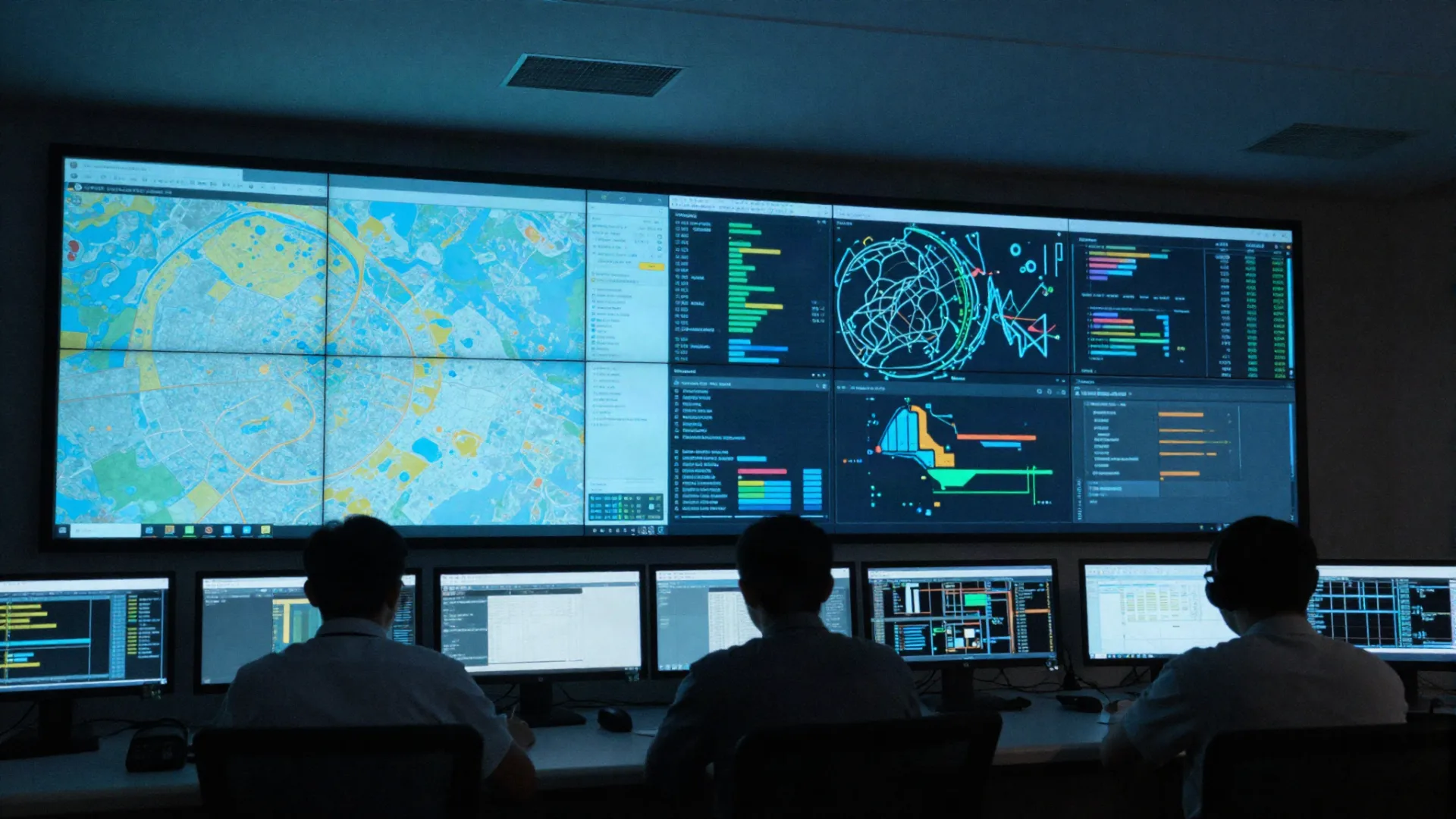
AI dashboards transform this raw tracking data into actionable intelligence. You can view real-time carrier capacity, customs activity, and container locations across all your hubs simultaneously. These dashboards highlight critical metrics like transit times, capacity utilization, and bottlenecks as they develop, enabling you to make informed decisions instantly rather than reacting to problems after they've already impacted your operations.
Seamless Integration with Supply Chain Systems for Holistic Visibility
A freight platform's true power emerges when it connects seamlessly with your existing supply chain infrastructure. System integration transforms isolated data points into a unified operational view that spans your entire logistics network.
When your control tower communicates directly with your WMS, you eliminate the blind spots that typically exist between the carrier and warehouse. Inbound containers automatically trigger warehouse receiving workflows, while outbound shipments coordinate with carrier availability in real-time. This bidirectional data flow means your warehouse team knows exactly which loads are staged and ready, while dispatchers understand which shipments need priority handling.
TMS integration extends this visibility to your transportation partners. Carrier arrival times, demurrage tracking, and pickup scheduling synchronize automatically across systems. You can see when a carrier is running late and adjust bookings before the delay cascades through your operation. Your dispatchers access the same live shipment data that your warehouse managers see, creating alignment across teams that previously worked from different information sources.
Connecting your platform to ERP systems creates an unbroken data chain from purchase order to final delivery. Financial teams track demurrage fees automatically, procurement monitors inventory flow, and executives access performance metrics without requesting manual reports. Corvane Control Tower supports these critical integrations through modern APIs and cloud-native architecture, ensuring your shipment data flows freely across your entire supply chain ecosystem.
Automated Scheduling and Dynamic Carrier Booking for Optimized Throughput
Automated scheduling transforms how multi-hub operations handle incoming and outgoing cargo. AI algorithms analyze real-time conditions, including traffic patterns, weather disruptions, and carrier delays, to adjust pickup windows and carrier bookings on the fly. This dynamic approach ensures you're maximizing the utilization of available resources at each hub, rather than adhering to rigid schedules that can't adapt to changing circumstances.
AI load balancing distributes workload across available carriers based on current capacity, equipment type, and operational priorities. Corvane Control Tower leverages configurable event-driven workflows that automatically orchestrate freight operations from booking to delivery. The system considers cargo attributes, load characteristics, and destination availability to sequence moves intelligently. You can achieve throughput improvements exceeding 50% by eliminating bottlenecks and reducing idle time. The Task Dispatch Engine manages sequencing to ensure loads are dispatched when their destination becomes available, preventing congestion at warehouse receiving.
The system enables you to:
Schedule pickups and linehaul moves manually or automatically based on real-time conditions
Implement intelligent queuing by driver and shipment with prioritization rules
Monitor move completion status through real-time lifecycle tracking
Process more shipments within the same operational timeframe
This level of orchestration means your lanes operate at peak efficiency, with minimal delays and maximum cargo velocity across your entire freight network.
Using Analytics and Predictive Insights for Proactive Operations Across Hubs
Analytics dashboards turn raw operational data into useful information for logistics managers who oversee multiple facilities. With these dashboards, you can easily access important metrics like transit times, demurrage fees, customs clearance speeds, and warehouse utilization rates across all your locations. The customizable interfaces allow you to see this data visually, making it easier to identify trends and outliers that may be missed in spreadsheets or manual reports.
Predictive analytics, powered by machine learning algorithms, go beyond just showing you the current situation. The system looks at past data, seasonal patterns, and real-time inputs. To predict potential port congestion before it happens. This means you can proactively address issues by rerouting incoming shipments or adjusting staffing levels at specific hubs during busy periods.
Corvane Control Tower uses this knowledge to provide insights that lead to measurable improvements. For example, if the system predicts an increase in incoming cargo at one port, you can redirect bookings to less busy gateways or modify pickup schedules to accommodate the higher volume. By taking these proactive steps, you can reduce demurrage fees by up to 12% and prevent delays caused by unexpected bottlenecks.
The combination of real-time monitoring and forward-looking analytics creates a powerful feedback loop. You continuously refine your operational strategies based on what the data reveals about your freight network's performance patterns.
Enhancing Security Compliance with Advanced Freight Technologies
Security vulnerabilities and compliance gaps create significant exposure for multi-hub operations. You need systems that actively prevent unauthorized access while maintaining detailed audit trails for regulatory requirements.
Digital Verification: The Future of Cargo Security
Digital verification transforms traditional cargo security by replacing manual ID checks with automated verification. Modern freight platforms enable truck drivers to confirm pickups using fingerprint or facial recognition technology, eliminating the possibility of credential sharing or fraudulent pickup. This approach reduces handover time while creating an indisputable record of who collected your cargo and when.
Continuous Monitoring with Automated Compliance Tracking
Automated compliance tracking monitors safety protocols continuously across all your hubs. The system flags vehicles with expired registrations, missing insurance documentation, or failed roadworthiness checks before they collect your cargo. You can configure custom validation rules based on your specific regulatory requirements, whether that's OSHA standards, DOT regulations, or industry-specific certifications.
Protecting Data with Role-Based Access Control
Role-based access control protects sensitive operational data by restricting system permissions according to job function. Your pickup coordinators see only the information necessary for booking procedures, while logistics managers access comprehensive analytics and reporting tools. This granular permission structure prevents accidental data exposure and creates clear accountability for system actions.
Preventing Theft with Advanced Security Features
Advanced security features include configurable blacklist engines that automatically detect stolen or unauthorized carriers. When a flagged carrier attempts a pickup, the system immediately alerts security personnel and prevents release, protecting you from cargo theft and liability issues.
Mobile Access and Touchless Operations Enabling Workforce Efficiency
A mobile-enabled freight platform transforms how your field personnel execute daily operations by putting powerful tracking capabilities directly in their hands. Your team can access real-time shipment locations, scan barcodes, and update move statuses from anywhere without returning to a fixed terminal. This mobility eliminates the paper-based processes that create bottlenecks and introduce data entry errors into your operations.
Corvane's Driver mobile app exemplifies this approach by delivering real-time tasking and status updates to drivers and dispatchers as they move throughout the network. Your drivers receive move assignments dynamically, complete tasks on the spot, and immediately update the system, all from their mobile devices. The GPS tracking functionality ensures you always know where your personnel are positioned, enabling better resource allocation during high-volume periods.
Touchless pickup capabilities through AI-powered kiosks revolutionize cargo handover by removing physical contact points that slow down processing. When your drivers arrive at the warehouse, live tracking technology automatically identifies their vehicle and credentials, completing the pickup process in seconds rather than minutes. This automation proves especially valuable during peak traffic periods when traditional manual processes create long queues and frustrated drivers.
The combination of mobile access and touchless operations reduces handover times by over 85% while cutting processing errors by 75%. Your workforce becomes more productive, your drivers experience faster turnaround times, and your facility maintains higher safety standards through reduced human interaction at critical touchpoints.
Preparing for the Future with Intelligent Freight Technologies
The logistics industry is constantly changing, and Freight Forwarding Software features that are ready for the future are helping forwarders take advantage of new innovations. Corvane Control Tower shows this forward-thinking approach with its design that can accommodate new technologies that will change how cargo moves.
1. Adapting to Autonomous Trucks
Autonomous trucks are one of the most important advancements coming up. These self-driving vehicles can move along highway lanes accurately, performing tasks without human drivers. A modern freight platform needs the infrastructure to communicate with these autonomous systems, providing real-time location data and dynamic routing instructions. Corvane's platform is built to integrate seamlessly with autonomous vehicle protocols, enabling coordinated operations where traditional and autonomous equipment work side by side.
2. Enhancing Safety and Efficiency with Live Tracking Systems
Live tracking systems have already changed customs clearance, but their use goes beyond just initial check-ins. Corvane's AI-powered sensors continuously monitor the entire network, automatically detecting:
Cargo damage that happens during transit
Unauthorized cargo movements or security breaches
Compliance violations needing immediate attention
Operational anomalies that could indicate equipment failures
This constant watchfulness creates a comprehensive safety net that human supervision alone cannot match. When How a Freight Control Tower Enhances Real-Time Visibility Across Multi-Hub Operations includes live tracking capabilities, you gain 24/7 documentation of every shipment activity, creating an auditable trail that protects your operation from liability while identifying improvement opportunities.
Conclusion
The enhanced visibility benefits of a modern freight control tower transform how you control complex logistics operations. Multi-hub freight advantages extend beyond simple tracking, they create a foundation for strategic decision-making that impacts your entire supply chain.
Advanced AI-driven freight systems like Corvane Control Tower represent a strategic investment that delivers measurable returns. You gain real-time visibility across multi-hub operations while reducing demurrage fees by 12%, improving throughput by over 50%, and cutting shipment search time by 90%. These aren't incremental improvements, they're transformative changes that redefine what's possible in freight logistics.
The technology exists today to bridge operational and data gaps across your freight network. You can achieve rapid ROI in under five months while building a scalable infrastructure that grows with your business. The question isn't whether to modernize your freight operations, it's how quickly you can implement systems that give you the competitive edge in an increasingly demanding logistics landscape.’