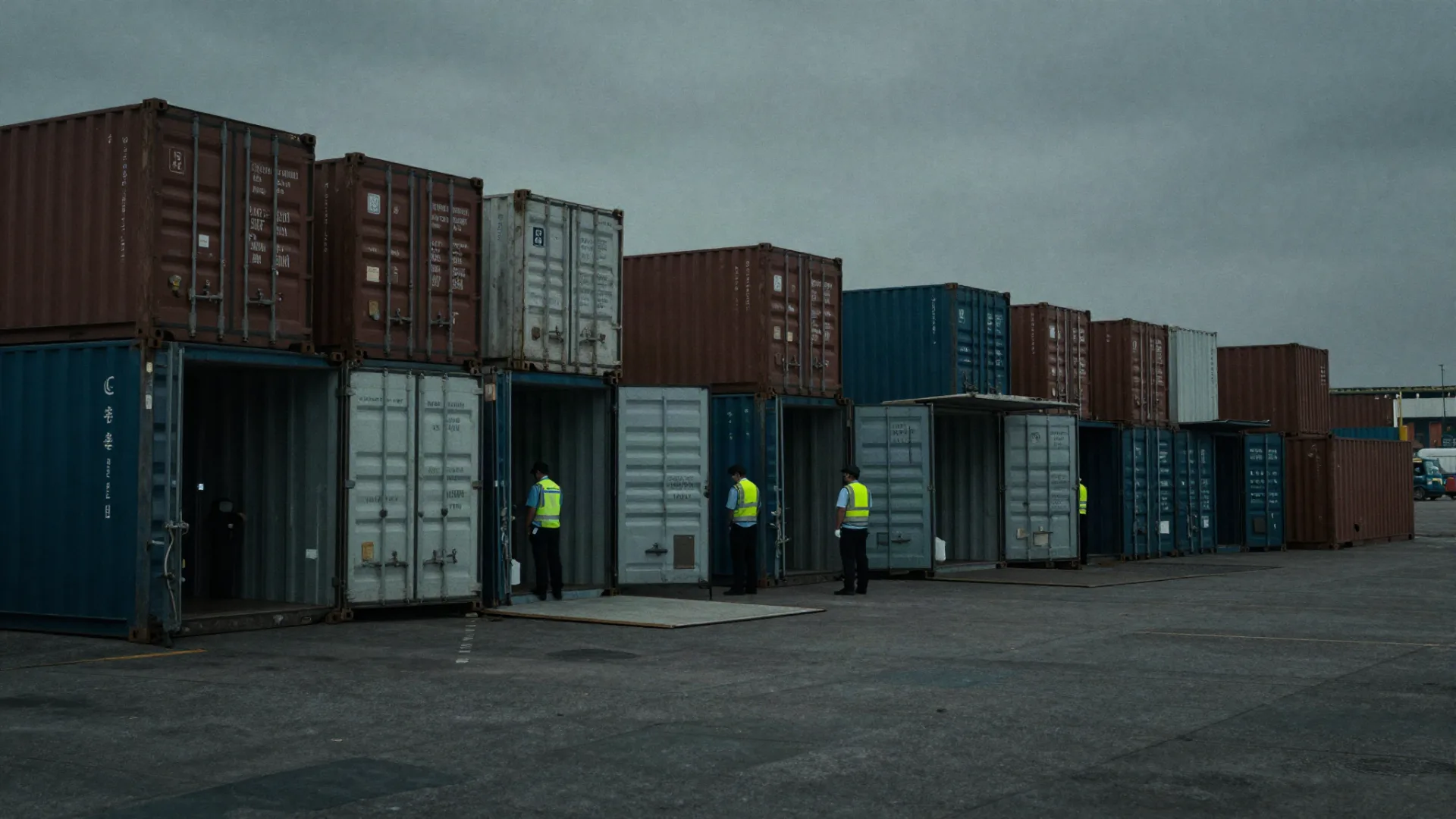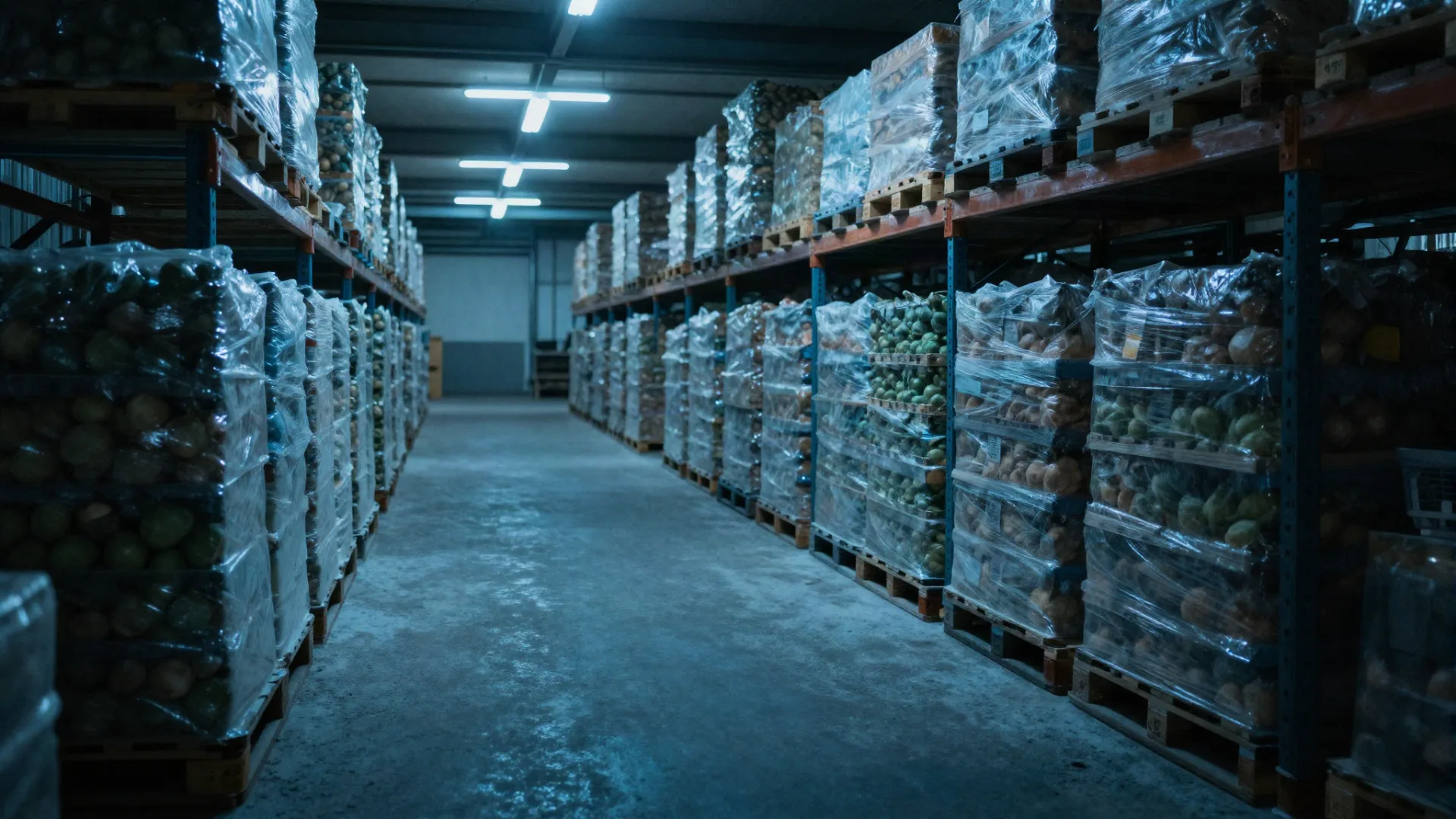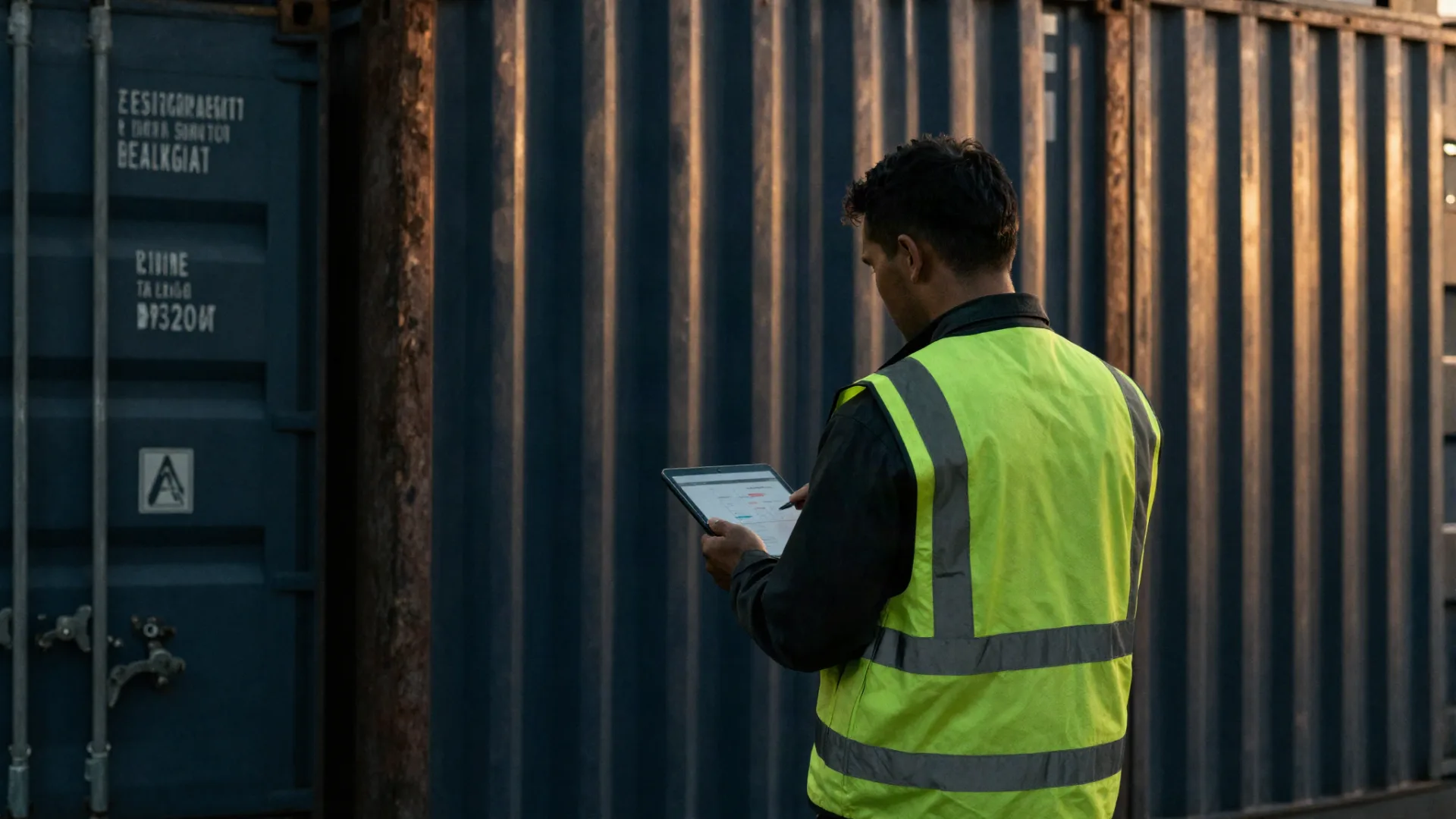

The evolution of freight forwarding is one of the most significant changes in logistics technology. In the past, traditional freight operations relied heavily on clipboards, paper manifests, and manual tracking. This process was prone to human error, had limited visibility, and often faced operational bottlenecks. You may have experienced the frustration of misplaced containers, delayed shipments, and hours wasted searching for cargo across large networks.
Freight forwarding plays a crucial role in your supply chain, bridging the gap between transportation and warehousing. When freight operations are inefficient, it affects various aspects such as pickup scheduling and customer satisfaction. The stakes are high—autonomous freight forwarding goes beyond simply replacing manual processes with technology. It involves rethinking how goods move through your network.
The transition from manual tracking to fully autonomous systems tackles the growing challenges of modern logistics: driver shortages, increasing demands for throughput, and the necessity for real-time visibility. This transformation is important today because your competitors are already using these technologies to gain operational advantages that you cannot afford to overlook.
The Journey from Manual to Autonomous Freight Forwarding: A Brief History
The Era of Manual Freight Forwarding
In the 1980s and early 1990s, freight offices were filled with clipboards. Paper-based logistics were the norm, with freight managers using handwritten logs to keep track of container locations, driver check-ins, and equipment movements. Every transaction needed manual documentation, making the system prone to human error at every stage.
The limitations were significant. If a form got misplaced, it could take hours to find a container. Operations faced delays as workers had to physically walk around the port to find cargo. Human labor in freight had its limits—you couldn't keep increasing the number of workers indefinitely, and even the most hardworking employees found it difficult to be accurate when managing hundreds of shipments across large networks.
Manual freight forwarding had three major problems:
Limited visibility: No real-time view of shipment status or cargo locations
Frequent errors: Handwritten logs led to misplaced containers and incorrect inventory counts
Operational bottlenecks: Every customs entry required multiple manual steps, creating throughput constraints
The Start of Digital Transformation
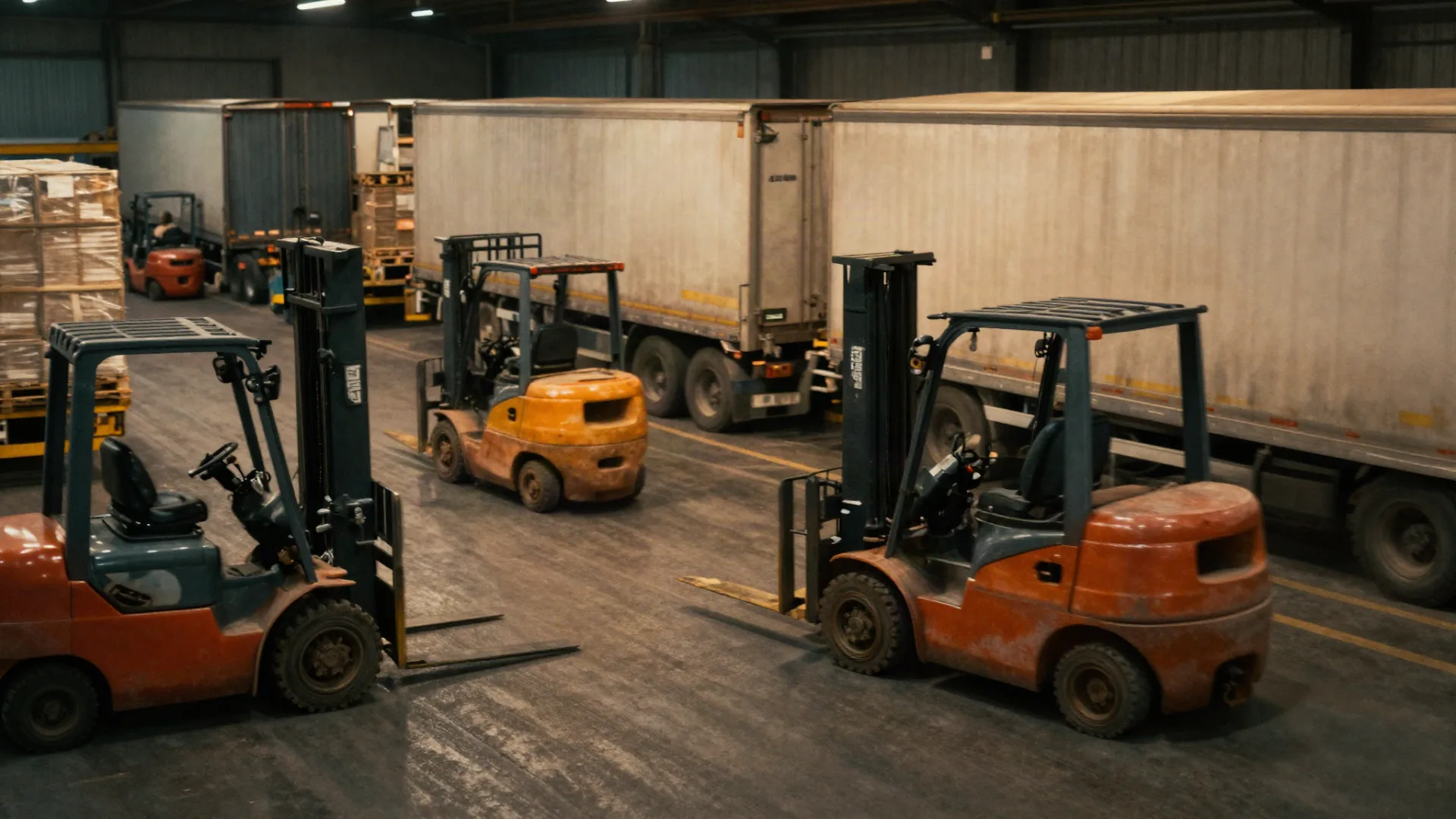
The introduction of mechanical handling equipment marked the first shift toward efficiency. Forklifts and container cranes reduced physical strain, but the real change came when basic computer systems started being used in freight.
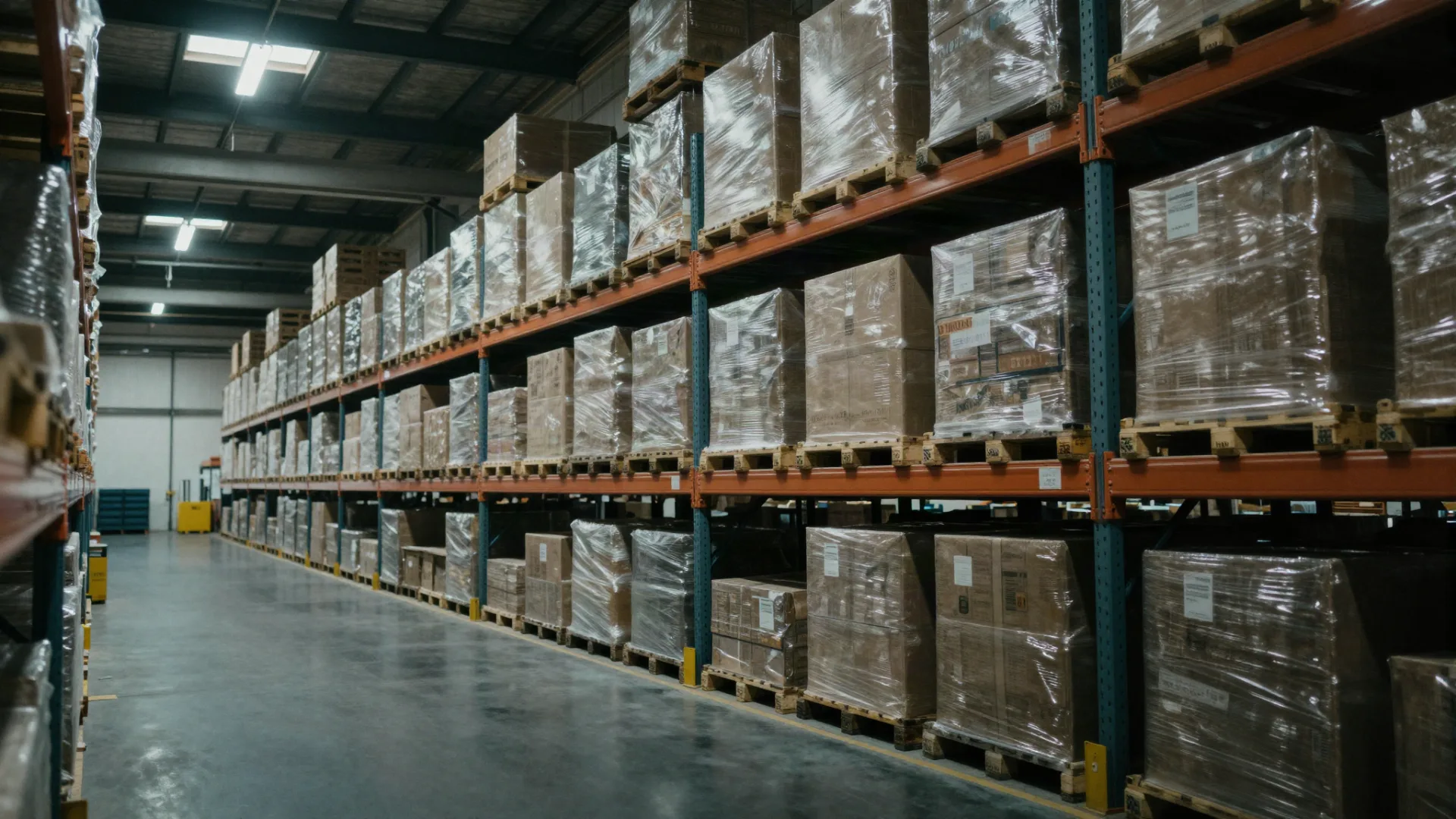
Automated freight systems emerged as Automated Storage and Retrieval Systems (AS/RS) optimized goods placement using programmed logic. These systems brought precision to warehouse operations, eliminating guesswork in inventory management.
The integration with Warehouse Management Systems (WMS) created the foundation for modern freight operations. Digital oversight replaced paper trails, and operational accuracy improved dramatically as data flowed between systems rather than through manual entry.
Transforming Freight Operations with Robotics and Autonomous Vehicles
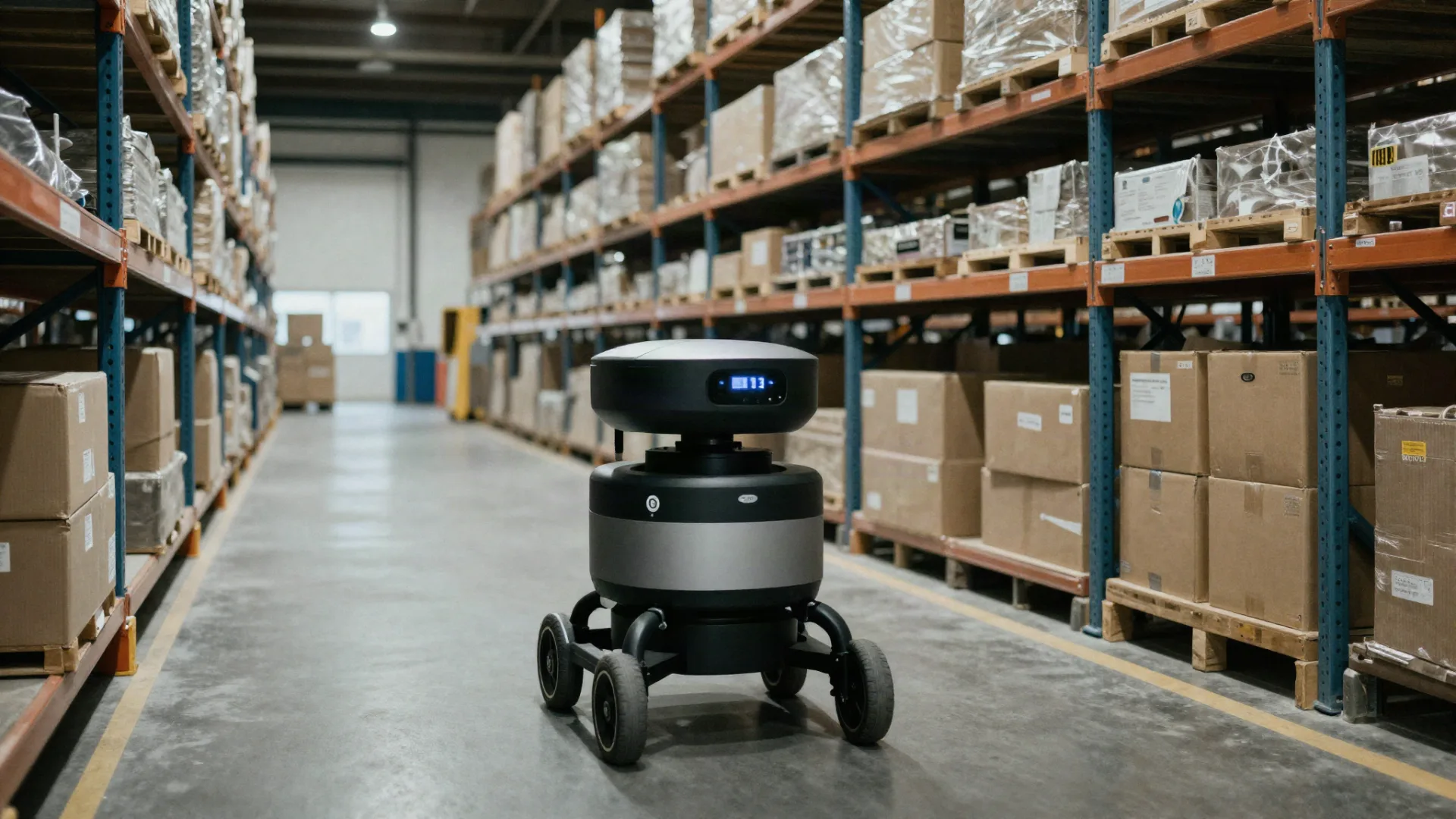
Robotics in logistics has changed freight operations from being heavily reliant on manual labor to becoming more precise and efficient. Nowadays, warehouses use specialized robots for tasks like picking, packing, and sorting—jobs that used to require multiple workers. These machines excel at repetitive tasks, working tirelessly and accurately to process hundreds of items every hour without the risk of mistakes that often occur in manual work.
Autonomous vehicles in freight solutions have brought about a new way of moving materials. Automated guided vehicles (AGVs) follow specific paths using sensors and magnetic strips to transport pallets and containers between different areas of the warehouse, such as staging zones and loading bays. These vehicles operate around the clock, eliminating the need for shift changes and breaks that can disrupt traditional workflows. In some facilities, aerial drones are also used for inventory scanning across large warehouses, quickly capturing the locations of cargo in a matter of minutes instead of hours.
The impact on key operational metrics is both measurable and significant:
Productivity gains of 40-60% through continuous operation cycles
Order accuracy improvements reaching 99%+ through automated verification
Fulfillment speed increases of 30-50% from reduced handling times
Robotics and autonomous vehicles work together as part of coordinated systems rather than functioning independently. AGVs communicate with warehouse management platforms to receive real-time instructions on which containers need to be moved. Robotic sorters integrate with inventory systems to direct items to their designated staging areas. This seamless coordination creates an operation where machines handle physical tasks while software controls the logic behind each movement.
AI-Powered Innovations in Freight Forwarding
The AI freight forwarding platform is a significant advancement over robotic automation. It introduces intelligence that learns, adapts, and optimizes freight operations in real-time. This technology doesn't just perform tasks; it anticipates needs.
Predictive analytics logistics capabilities change the way you predict demand and allocate resources. AI algorithms examine historical data, seasonal changes, and external factors such as weather or market conditions to forecast container volumes weeks ahead of time. This allows you to strategically position assets before demand increases, eliminating the need for reactive management. Resource allocation becomes precise—you'll know exactly how many drivers, warehouse bays, and staging zones you'll require at any given moment.
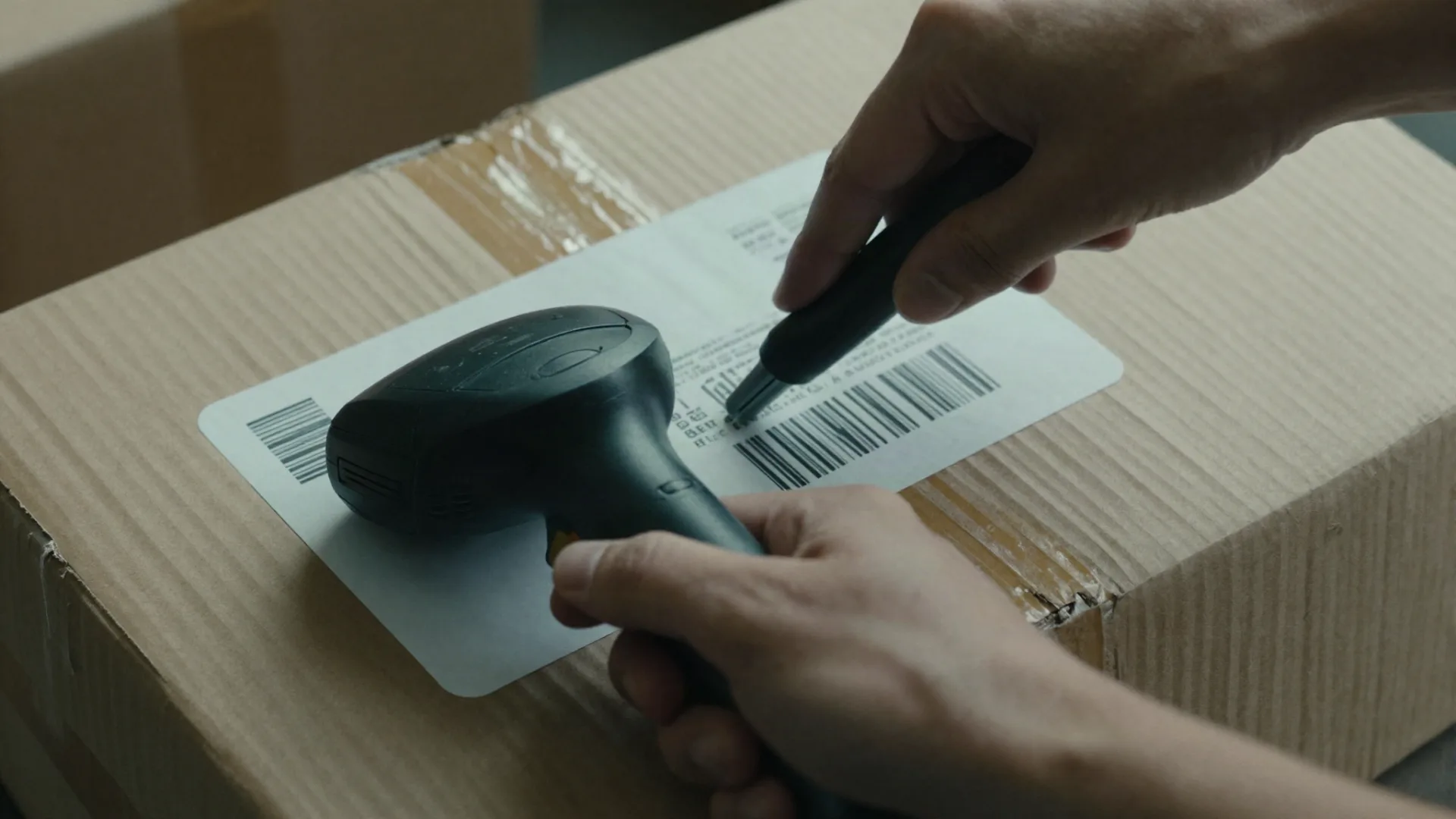
Live tracking applications bring unmatched precision to freight operations. Corvane's proprietary technology achieves 99.5% data accuracy in identifying cargo by automatically detecting container numbers, license plates, and equipment types without any human involvement. During pickup processes, the system identifies damage, flags quality control issues, and keeps visual records for dispute resolution—capturing information that manual inspections often overlook.
Autonomous Navigation for Efficient Movement
AI-powered autonomous routing algorithms enhance movement patterns across your network. These systems determine the most efficient routes for repositioning cargo, consider congestion points, and adjust paths dynamically based on real-time conditions. Corvane's Book & Track workflows utilize these AI capabilities to achieve 50%+ throughput improvements, transforming chaotic freight movements into orchestrated precision. With this technology, freight forwarding evolves from reactive problem-solving to proactive optimization.
How IoT and Cloud Connectivity Are Changing Freight Operations
The Impact of IoT on Logistics Networks
IoT in logistics networks has fundamentally changed how operators track and manage their cargo. Sensors embedded throughout the supply chain continuously capture data from vehicles, containers, and equipment, creating a real-time digital representation of physical operations. You can monitor container temperatures for refrigerated loads, track tire pressure on trucks, and receive instant alerts when equipment moves outside designated routes.
The Role of Cloud-Based Freight Forwarding Software
Cloud-based freight forwarding software serves as the central nervous system connecting these distributed sensors and devices. The architecture eliminates the need for on-premise servers and enables instant data synchronization across your entire operation. When a container enters your network in California, your team in New Jersey sees the same information simultaneously without delay or manual data entry.
Benefits of Scalability with Cloud-Native Platforms
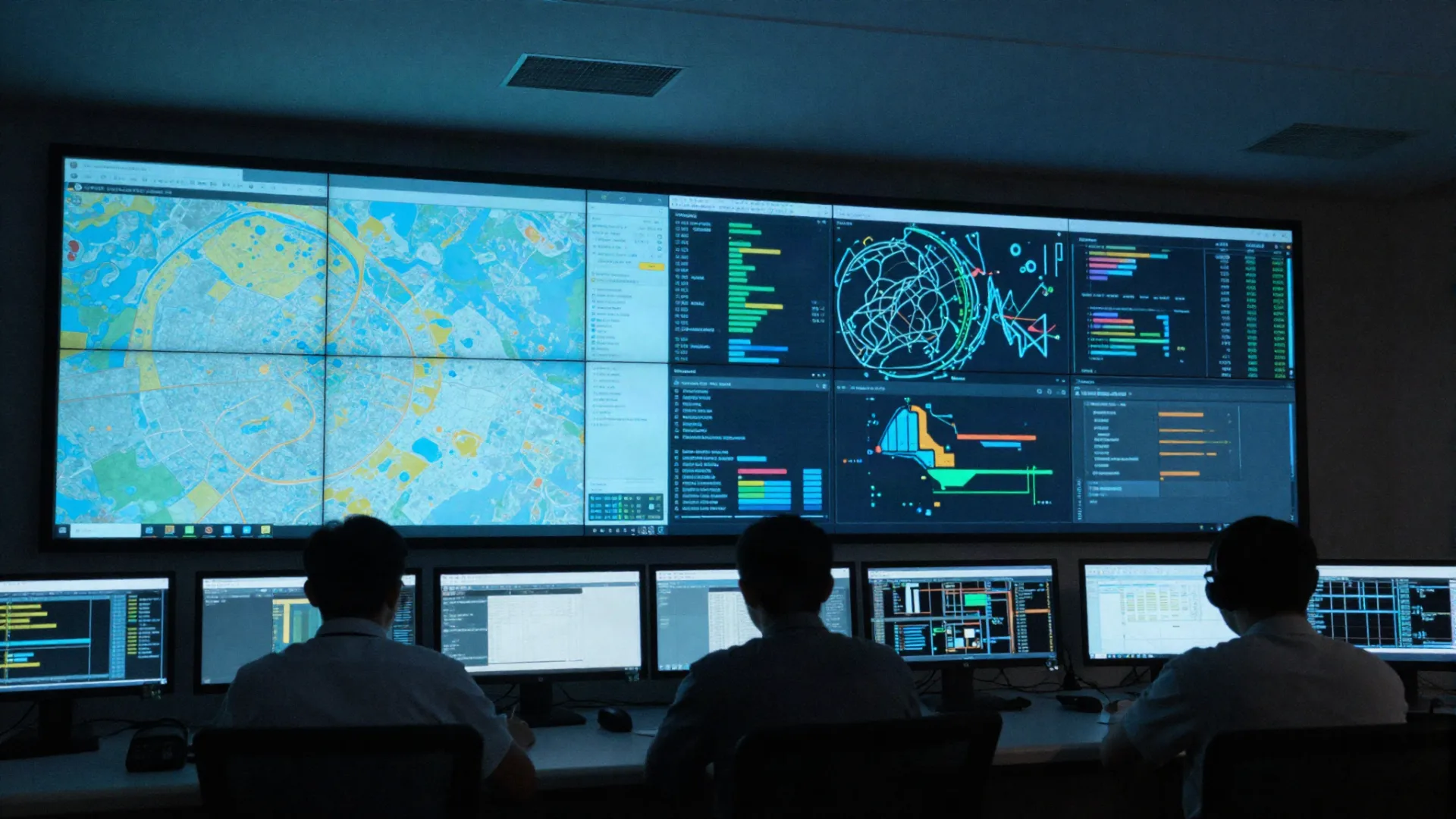
The scalability advantage becomes apparent when you operate multiple facilities. A cloud-native platform like Corvane's Control Tower delivers single-pane-of-glass visibility across your entire freight network. You can compare performance metrics between lanes, identify bottlenecks in real-time, and deploy successful workflows from one location to another with minimal configuration.
Breaking Down Data Silos with Connected Systems
Connected systems eliminate data silos that plague traditional freight operations. Your tracking sensors communicate with inventory management modules, which trigger automated pickup tasks for drivers. This seamless device-to-device communication happens without human intervention, creating a responsive ecosystem that adapts to changing conditions throughout your operational day.
Corvane Control Tower: Leading the Charge Towards Fully Autonomous Freight Solutions
Corvane is leading the way in transforming freight logistics with a clear mission: to completely digitize and automate freight operations. The company's AI-native Control Tower represents a fundamental shift from traditional freight forwarding approaches, combining live tracking, real-time data infrastructure, and modular software applications into a single scalable system designed specifically for mid-market and large enterprise shippers managing five or more warehouses.
Breakthrough Capabilities of Corvane Control Tower
The Corvane Control Tower stands out with its several groundbreaking features:
Proprietary computer vision technology achieving 99.5% data accuracy, eliminating the manual scanning and GPS tracking that plague conventional systems
Corvane Book & Track with AI-powered workflows that automate customs processes from booking to delivery, delivering throughput improvements exceeding 50%
Control-Tower-in-a-Sensor hardware kit enabling deployment in hours without trenching or extensive infrastructure modifications
Rapid ROI typically achieved in under five months, addressing the financial concerns that often delay automation initiatives
Key Benefits of Corvane Control Tower
With the Corvane Control Tower, you can expect the following key benefits:
Scalable operations across your entire freight network
Unified visibility into your freight activities
Real-time cargo tracking through live sensor-driven route maps
Automated shipment planning that aligns inventory with upcoming pickups
Configurable event-driven workflows that adapt to your specific operational requirements
The cloud-native architecture of the system ensures that you can easily scale your operations while maintaining complete control over your processes. Say goodbye to rigid and static standard operating procedures (SOPs) that limit your flexibility - with Corvane Control Tower, you have the power to customize your workflows according to your unique needs.
Realizing the Benefits: Operational Efficiency, Cost Reduction, Safety Enhancements, And More Through Autonomous Freight Forwarding
The transformation From Manual to Autonomous: The Evolution of Freight Forwarding delivers measurable improvements across every dimension of freight operations. You'll see operational efficiency freight automation manifest in dramatically reduced customs processing times—Corvane's Fast Clearance application cuts transaction time by over 85%, while Book & Track workflows generate throughput improvements exceeding 50%. These aren't incremental gains; they represent fundamental shifts in how quickly you move cargo through your network.
Cost reduction logistics becomes tangible when you eliminate manual data entry, reduce labor costs by up to 75% in customs operations, and achieve ROI in under five months. Corvane's live tracking technology delivers 99.5% data accuracy without requiring manual scans or GPS devices, removing the ongoing expense of hardware maintenance and replacement.
Safety improvements emerge naturally when you minimize human exposure to hazardous handling activities. Automated customs processes reduce the need for personnel to work in high-traffic areas, while AI-powered cargo tracking eliminates the dangerous practice of workers navigating active ports to locate containers. Corvane's Cargo Movement application orchestrates moves systematically, reducing the risk of accidents caused by poor visibility or miscommunication.
The 90% reduction in cargo search time and 12% decrease in demurrage fees demonstrate how autonomous systems create compounding benefits across your operation.
Overcoming Challenges on the Road to Full Autonomy: Adapting the Workforce and Tackling System Integration Issues in Autonomous Freight
Shifting to autonomous freight forwarding requires a significant investment of capital. You'll need to spend a lot on live tracking systems, IoT sensors, robotics, and cloud infrastructure. These challenges in autonomous freight can put a strain on budgets, especially for mid-market shippers who are trying to balance ROI timelines with immediate operational pressures.
1. The Need for Workforce Adaptation
Another major obstacle is the need for logistics technology workforce adaptation. Your current team will require extensive retraining in order to work effectively alongside automated systems. This includes:
Customs clerks moving away from manual data entry and instead monitoring AI-powered workflows.
Drivers transitioning from reactive task execution to managing orchestrated route sequences using mobile interfaces.
It's important to note that this learning process may temporarily slow down operations during the implementation stages.
2. The Complexity of System Integration
The difficulties of system integration make these challenges even more complicated. In order for your new Control Tower to work smoothly with your existing WMS, TMS, and ERP platforms, you need to establish seamless connectivity between them. However, legacy systems often lack modern APIs, which means you'll have to develop custom middleware solutions. Additionally, careful mapping will be necessary to ensure data synchronization across platforms and avoid any disruptions in operations.
3. Addressing Employee Concerns
The human aspect is still crucial in this process. It's essential for you to address any worries your employees may have about job loss due to automation. At the same time, you must also demonstrate how automation can enhance their roles by shifting them away from repetitive tasks and towards strategic oversight and exception handling responsibilities.
Looking Ahead: The Future Of Freight Forwarding
The shift from manual to automated freight operations is happening quickly as new trends in freight forwarding are changing the logistics industry. We're seeing AI move beyond simple automation to become advanced decision-making systems that can:
Predict problems before they happen
Reallocate resources based on real-time demand patterns
Optimize network layouts through continuous learning algorithms
The Next Step: Scalable Freight Networks
Scalable freight networks are the next big thing. Solutions like Corvane's Network capability provide a comprehensive view of multiple facilities, allowing you to manage entire logistics systems from a central location. This network approach turns individual lanes into interconnected points that can:
Share data
Balance workloads
Coordinate asset movements across regions
The Role of AI in Freight Forwarding
You'll see AI systems making independent decisions about container positioning, customs prioritization, and resource deployment without human involvement. These advancements promise to:
Reduce cargo search times by 90%
Cut demurrage fees by 12%
These metrics will directly affect your profits and ability to operate in an increasingly complex supply chain environment.