
Cargo Security Management: The Foundation of Modern Freight Protection
Cargo security management is crucial for protecting warehouses, manufacturing facilities, ports, and commercial shipments throughout North America. With over $50 billion worth of goods being transported daily through more than 50,000 warehouses and factories, it is essential to secure every handoff in order to safeguard valuable assets and ensure smooth operations.
Modern access control systems have evolved far beyond simple seal-and-lock mechanisms. Today's cargo security solutions integrate sophisticated technologies including biometric verification, automated container recognition, and AI-powered tracking to create comprehensive route protection. These systems not only prevent unauthorized access but also streamline legitimate freight flow, reducing bottlenecks that can cost shippers thousands in lost productivity.
The stakes are particularly high in logistics environments where operational disruptions can cascade through entire supply chains. A single security breach or system failure at a handoff can compromise inventory worth millions while exposing shippers to theft, tampering, and regulatory violations.
This comprehensive guide examines the essential components, cutting-edge technologies, and emerging trends shaping cargo security management systems, helping you make informed decisions for your freight protection needs.
Core Components of Cargo Security Management Systems
Modern cargo security management systems rely on four fundamental components that work together to create comprehensive route protection. Each element serves a specific purpose while integrating seamlessly with others to deliver robust security coverage.
1. Access Control Systems
Access control systems form the digital backbone of cargo security, managing who handles and releases your freight. These systems support multiple credential types to accommodate different user preferences and security requirements:
Key cards and fobs: provide traditional proximity-based access with programmable permissions
Biometric scanners: use fingerprints, facial recognition, or iris scanning for enhanced security verification
Mobile apps: enable smartphone-based release through Bluetooth or QR code authentication
PIN codes: offer backup access methods when primary credentials are unavailable
The verification process occurs in real-time, cross-referencing credentials against authorized user databases before granting or denying access.
2. Tracking Sensors
Tracking sensors serve dual purposes in cargo security environments. They provide continuous monitoring of shipments while creating detailed incident documentation for security reviews. High-definition scans capture container numbers, seal IDs, and suspicious activities with timestamp accuracy. Night-ready sensors ensure 24/7 coverage regardless of lighting conditions.
3. Cargo Recognition Technologies
Cargo recognition technology streamlines release for authorized shipments through Optical Character Recognition (OCR) and container ID recognition systems. These technologies automatically identify arriving cargo, compare container numbers against approved databases, and trigger release without agent intervention. This reduces wait times while maintaining security protocols.
4. Physical Security Seals
Physical security seals represent the final barrier component, available in various configurations including bolt seals, cable seals, and electronic seals. These seals integrate with access control systems, receiving electronic signals to confirm or flag tampering based on verification results. Advanced models include anti-tamper sensors and emergency override capabilities for safety compliance.
Advanced Technologies Enhancing Cargo Security
AI-Powered Monitoring
AI-powered monitoring is changing the game when it comes to cargo security. Unlike traditional inspection methods, which rely on human operators to review documents and footage, AI-powered systems can analyze shipment data in real-time and identify potential threats automatically.
With modern tracking analytics systems, you can:
Analyze behavioral patterns
Identify suspicious activities
Trigger automated alerts before incidents escalate
This means that instead of waiting for something bad to happen and then reacting, you can proactively respond to potential threats before they become a problem.
How AI Algorithms Work
You can deploy AI algorithms that recognize specific behaviors around handoff points, such as:
Unplanned stops
Unauthorized vehicle movements
Unusual route deviations
By training these algorithms on large datasets, they become proficient at distinguishing between normal and abnormal activities. This allows security personnel to focus their attention on genuine threats while minimizing false alarms.
Smart Release Automation
Smart release automation works hand-in-hand with AI-driven systems to create responsive handoff environments. These platforms are capable of processing multiple data streams simultaneously - from container ID recognition to driver verification - enabling them to make split-second decisions regarding access control.
Benefits of Smart Release Automation
By integrating smart release automation with your existing security infrastructure, you can expect several advantages:
Reduced human error: Automated decision-making eliminates the possibility of mistakes caused by fatigue or distraction.
Consistent security protocols: Regardless of who is operating the system, the rules governing access remain unchanged.
24/7 operation: Unlike staff who need breaks and rest periods, automated checks can function continuously without interruption.
Audio/Video Intercom Integration
Two-way communication systems enhance driver verification processes by combining visual identification with voice authentication. Security personnel can remotely interview drivers, verify credentials, and grant or deny release without being physically present at the handoff.
Benefits of Audio/Video Intercom Integration
This capability offers several benefits:
Flexibility: You can manage multiple handoff points from a centralized location, reducing the need for on-site security staff.
Personal interaction standards: Even though you may not be physically present, you still have control over how drivers are treated during the verification process.
Modern intercom solutions also integrate with mobile applications, allowing authorized personnel to respond to release requests from anywhere. This proves essential for shipments moving outside standard business hours or locations with limited on-site security staff.
Layered Security Framework Benefits
Combining multiple technologies creates redundant security layers that compensate for individual system limitations. When one component experiences technical issues, backup systems maintain operational security.
Components of Layered Security Framework
You achieve comprehensive protection through:
Multi-factor authentication requiring multiple credential types
Cross-verification between different detection systems
Automated escalation protocols when anomalies are detected
Real-time system health monitoring ensuring continuous operation
This integrated approach delivers superior security outcomes compared to standalone solutions.
Management Software and Remote Monitoring Capabilities
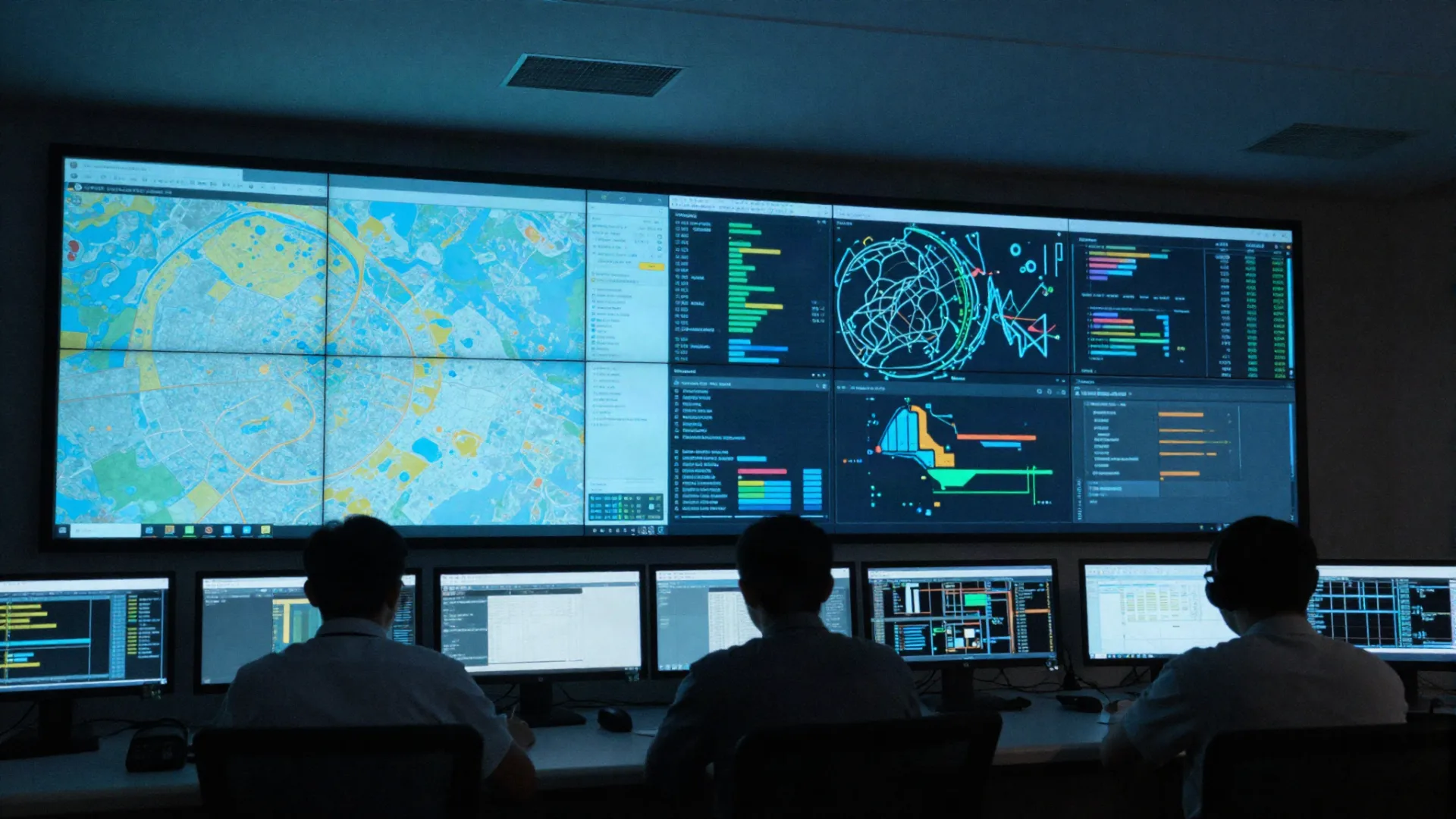
Cargo security management software serves as the central nervous system for modern freight security systems, transforming how you control and monitor handoff points across your network. These centralized platforms consolidate all security operations into a single, unified interface that streamlines daily operations while maintaining strict security protocols.
Core Platform Features
Here are some of the key features of cargo security management software:
Centralized monitoring: Oversee multiple handoff locations simultaneously from a single dashboard, thanks to centralized access management
User credential management: Manage user credentials across your entire network, instantly activating or deactivating access permissions as personnel changes occur. This can be done effectively by following identity management best practices.
Handoff logging: Automatically log every pickup and delivery with precise timestamps, creating an audit trail for security investigations and compliance reporting.
Remote access control: Respond to security events in real-time, regardless of your physical location, with advanced remote access control functionality.
Immediate alerts: Receive immediate alerts when unauthorized release attempts occur and take corrective action within seconds.
Off-hour critical support: Ensure critical support during off-hours when on-site security personnel may be limited.
Operational Efficiency Benefits
The reporting capabilities built into modern cargo security management platforms provide data-driven insights that help you optimize security protocols. You can analyze shipment patterns, identify peak activity times, and spot unusual activity that might indicate security concerns. These analytics enable proactive security planning rather than reactive responses to incidents.
Integration with existing infrastructure systems ensures seamless data flow between your cargo security platform and other operational tools, creating a comprehensive security ecosystem that enhances both protection and efficiency.
Tailoring Cargo Security Solutions to Different Environments
Customized security solutions require careful assessment of your network's unique operational demands and physical constraints. You need to evaluate three critical factors that directly impact system design and functionality.
1. Shipment Volume
Shipment volume shapes the foundation of your security architecture. A manufacturing network processing 500+ daily shipments demands robust high-volume freight lanes infrastructure with multiple verification points and rapid processing capabilities. Retail networks with 200 stores require different throughput considerations, focusing on delivery convenience while maintaining security protocols.
2. Handoff Frequency
Handoff frequency determines the complexity of your verification processes. Industrial sites with scheduled deliveries benefit from pre-registration systems and automated container ID recognition. Retail environments need flexible delivery management features that balance security with store accessibility.
3. Infrastructure Compatibility
Infrastructure compatibility influences technology selection and deployment strategies. Existing power distribution, network connectivity, and physical warehouse structures dictate whether you can implement advanced biometric systems or need to adapt solutions to current limitations.
High-Value vs. Standard Cargo Security Requirements
High-value cargo environments prioritize asset protection and regulatory compliance. These networks implement:
Multi-factor authentication for high-value cargo areas
Integration with ERP and warehouse systems
24/7 monitoring capabilities with automated threat detection
Configurable security protocols for different cargo classifications
Standard vs high-value security needs differ significantly in handling expectations. Standard shipments emphasize:
User-friendly mobile app integration for receivers
Temporary access codes for service providers
Shipment-specific features like delivery window control
Privacy-conscious recipient logging systems
Manufacturing networks require specialized features like hazardous material handling protocols and compliance reporting, while retail shipments focus on delivery integration and presentation considerations that complement store standards.
Maintenance Best Practices for Reliable Cargo Security Systems
System maintenance is crucial for any effective cargo security infrastructure. You need to have a proactive approach that prevents expensive downtime and security weaknesses before they disrupt your operations.
Essential Reliability Checks
Your maintenance schedule should include these critical components:
Sensor testing every 30 days to verify accurate detection and response times
Power supply monitoring with backup battery assessments quarterly
Seal mechanism inspection and alignment verification
Scanner lens cleaning and positioning adjustments
Network connectivity tests to ensure seamless data transmission
Mechanical servicing requires attention to moving parts that experience daily wear. Lift arms, motors, and hydraulic systems need regular inspection for signs of fatigue or damage. You should document all maintenance activities to track performance patterns and predict replacement needs.
Software Updates and Security Protocols
Your cargo security system's digital components require consistent attention. Security patches and firmware updates protect against emerging cyber threats that could compromise access control databases. You should implement automated update scheduling during low-traffic periods to minimize operational disruption.
Regular calibration of AI-powered recognition systems maintains accuracy rates above industry standards. Cargo recognition algorithms benefit from periodic retraining with new document formats and container types entering your network.
Temperature monitoring prevents equipment failure in extreme weather conditions, while surge protection safeguards electronic components from power fluctuations that could disable critical security functions.
Benefits of Implementing Robust Cargo Security Management Systems
Enhanced Route Security
Enhanced route security forms the foundation of effective freight protection. Modern cargo security management systems create multiple layers of defense that significantly reduce security vulnerabilities. You gain complete control over who handles your freight and when, establishing a secure chain that deters potential threats before they reach critical points.
Theft Prevention
Theft prevention becomes substantially more effective with comprehensive access controls. These systems maintain detailed records of all pickup and delivery activities, creating an audit trail that helps identify suspicious patterns. You can implement configurable blacklist engines that proactively detect stolen or unauthorized equipment, reducing cargo theft risk by up to 90% in high-volume environments.
Efficient Receiver Management
Efficient receiver management streamlines your daily operations while maintaining security standards. Time-stamped logs automatically document every interaction, eliminating manual paperwork and reducing processing delays. You can verify driver credentials through integrated audio/video intercoms, ensuring legitimate access while maintaining detailed records for compliance purposes.
Data-Driven Insights
Data-driven insights transform your security planning capabilities. Cargo security management platforms generate comprehensive reports that reveal shipment patterns, peak activity times, and potential security gaps. You can analyze this information to optimize staffing schedules, identify infrastructure needs, and develop proactive security strategies. These analytics help you make informed decisions about future security investments and operational improvements, creating a more resilient and efficient security framework.
Challenges in Cargo Security Management and How to Overcome Them
Organizations trying to upgrade their cargo security systems face various security challenges. The biggest obstacle is legacy infrastructure, which includes outdated access control panels, incompatible scanners, and separate security databases that don't work together. These fragmented systems make it impossible to monitor in real-time and create dangerous security gaps where unauthorized access can go unnoticed.
Technology integration issues make things worse when trying to connect modern solutions with existing systems. Many networks struggle with:
Incompatible communication protocols between old and new systems
Data silos that prevent comprehensive security reporting
Manual workarounds that increase human error and response times
Inconsistent user experiences across different handoff points
Another major challenge is finding the right balance between user convenience and security. When you implement strict security measures, it often creates difficulties for legitimate users, resulting in decreased productivity and frustrated users. What you need are solutions that uphold high security standards without causing operational delays.
The best way to overcome these challenges is by using integrated platforms. Modern freight execution platforms like Corvane Cargo's ControlTower offer a solution by providing a complete view of all handoff points while seamlessly integrating with existing TMS and ERP systems. These solutions eliminate manual tasks through AI-powered automation, ensuring both effective security and satisfied users through smooth release processes.
Future Trends in Cargo Security Management
The world of cargo security is changing quickly as smart freight technology replaces traditional access control methods. The biggest breakthrough is the integration of AI in security systems, where machine learning algorithms can now foresee security threats before they happen. These advanced systems look at driver behavior, cargo movements, and release attempts to find irregularities that human operators might overlook.
1. Automated Throughput Enhancement
The next wave of cargo security solutions is driven by automated throughput enhancement. AI-powered freight execution platforms can handle thousands of pickup and delivery transactions while still following strict security protocols. These systems are expected to cut down average customs processing times by 60-70% and also enhance security accuracy with real-time threat assessments.
2. Data Lakes and Decision Intelligence Platforms
Data lakes and decision intelligence platforms are changing the way complex freight environments function. These systems collect data from various sources - such as tracking sensors, access control readers, cargo recognition systems, and environmental sensors - to create all-encompassing security ecosystems. This technology allows for predictive maintenance scheduling, optimizes traffic flow patterns, and offers useful insights for security planning.
3. Sustainability and Resilience
Sustainability and resilience are becoming important factors in future cargo security implementations. Solar-powered tracking systems with battery backup guarantee uninterrupted operation during power outages. Cloud-native structures lessen the need for on-site hardware while offering flexible security solutions that adjust to evolving network requirements.
4. Integration of Live Tracking Technology
The combination of live tracking technology with high data accuracy removes the need for manual verification processes. Agentic AI workflows automatically manage routine security decisions, freeing up human security personnel to deal with complicated situations that require judgment and intervention. These advancements lead to self-optimizing security environments that consistently enhance performance through machine learning algorithms.
Conclusion
Secure cargo handling requires more than just traditional seal-and-lock solutions. You need comprehensive cargo security management systems that can adapt to your specific operational needs and security challenges.
The most effective approach combines multiple technologies into a single framework. Whether you're managing a busy industrial network or a retail supply chain, your security solution should include:
AI-powered surveillance and threat detection
Advanced access control with various credential types
Real-time monitoring and automated response capabilities
Scalable software platforms for centralized management
When properly customized to your environment, integrated cargo security solutions can deliver significant results. You'll notice fewer unauthorized releases, smoother delivery processing, and better visibility across your freight network.
Investing in modern cargo security technology will yield benefits such as improved safety, operational efficiency, and data-driven insights. You can't afford to leave your freight exposed with outdated systems when there are advanced, scalable solutions readily available.
Now is the time to take action. Assess your current security weaknesses and implement technologies that meet the specific requirements of your lanes for optimal protection and operational effectiveness.