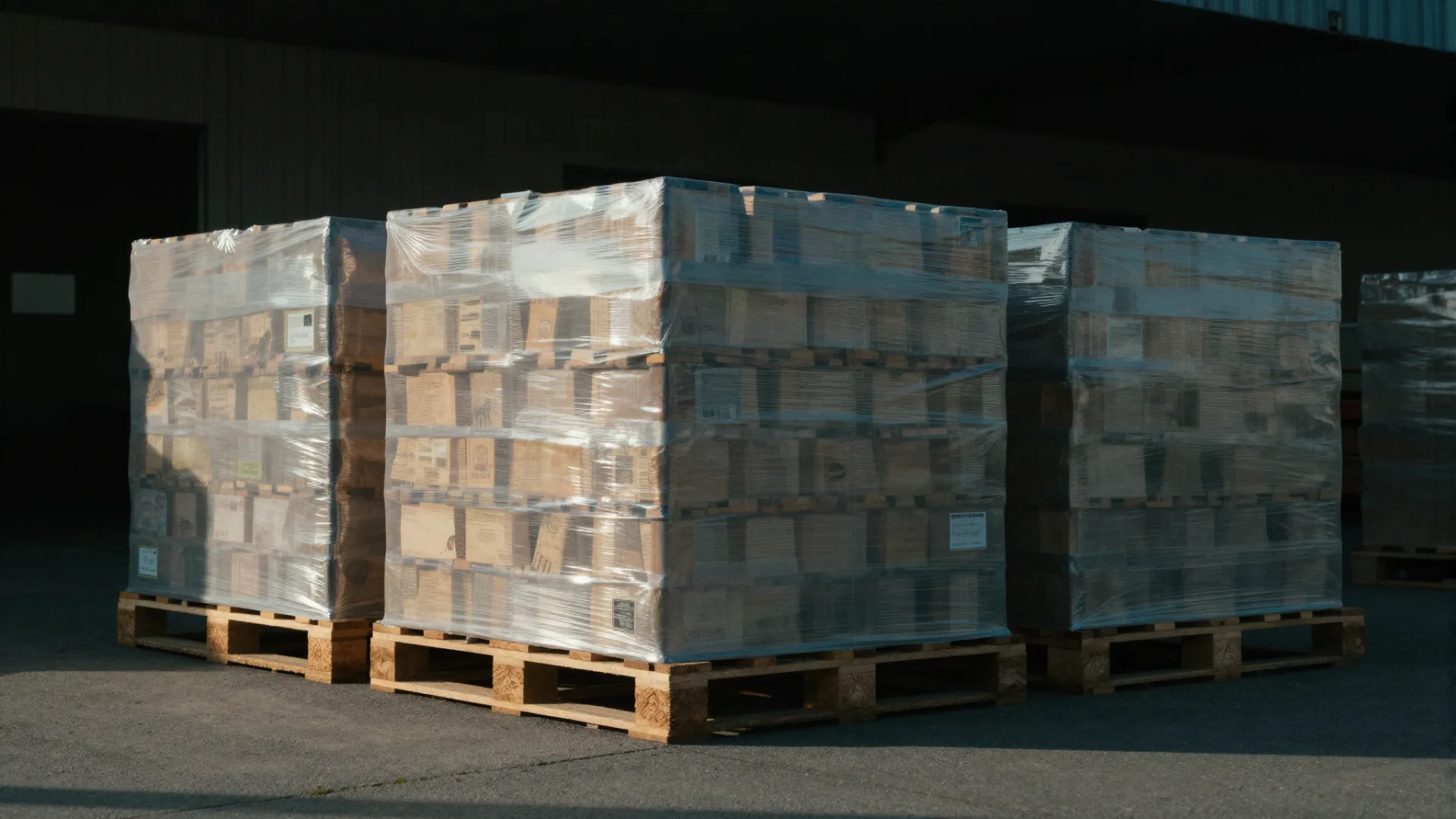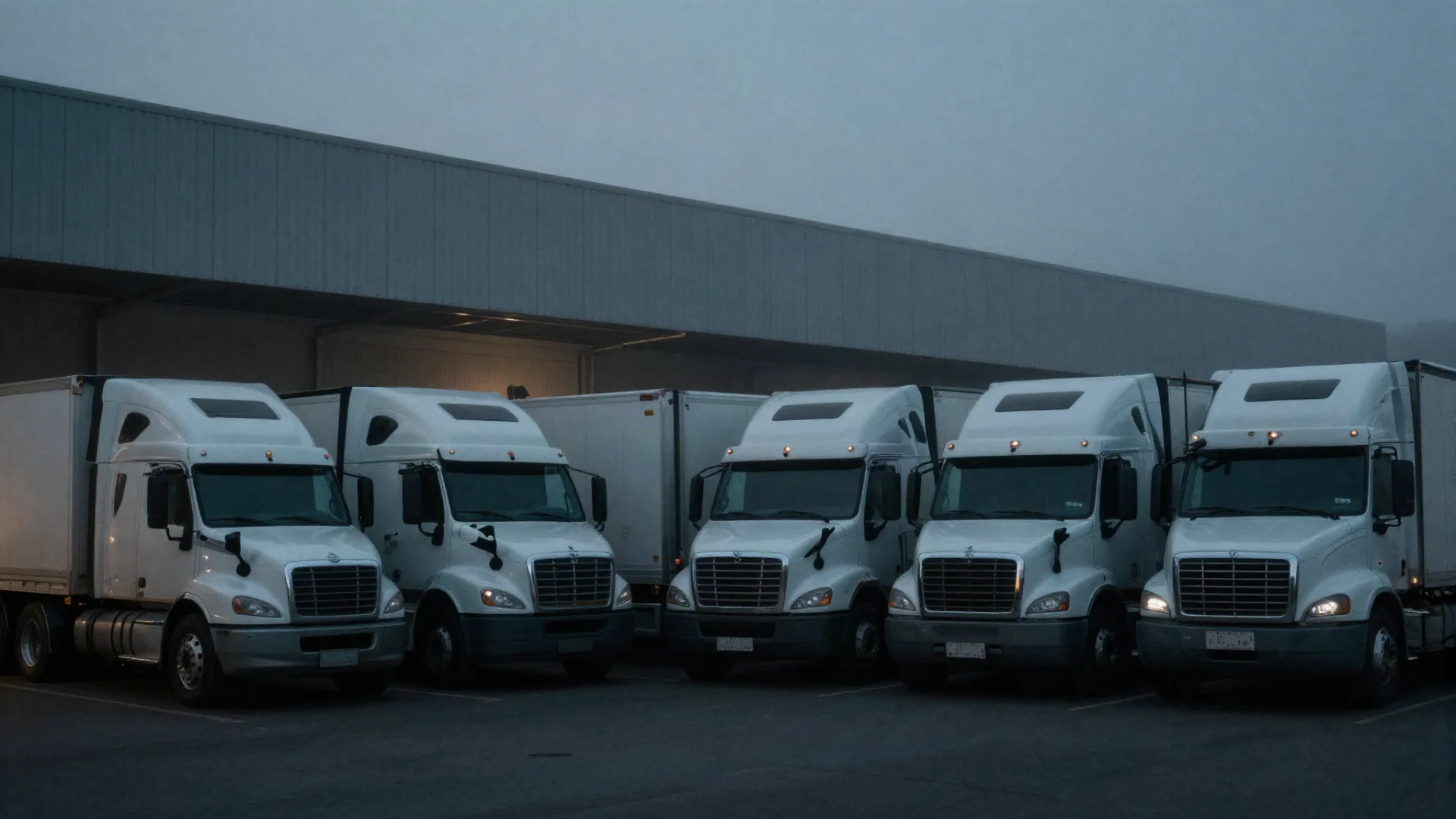

AI logistics represents a fundamental shift in how supply chain operations function, transforming traditional manual processes into intelligent, automated systems. Artificial intelligence in logistics and supply chain management encompasses machine learning algorithms, live tracking technology, and predictive analytics that work together to optimize every aspect of goods movement, from warehouse operations to freight forwarding and transportation routing.
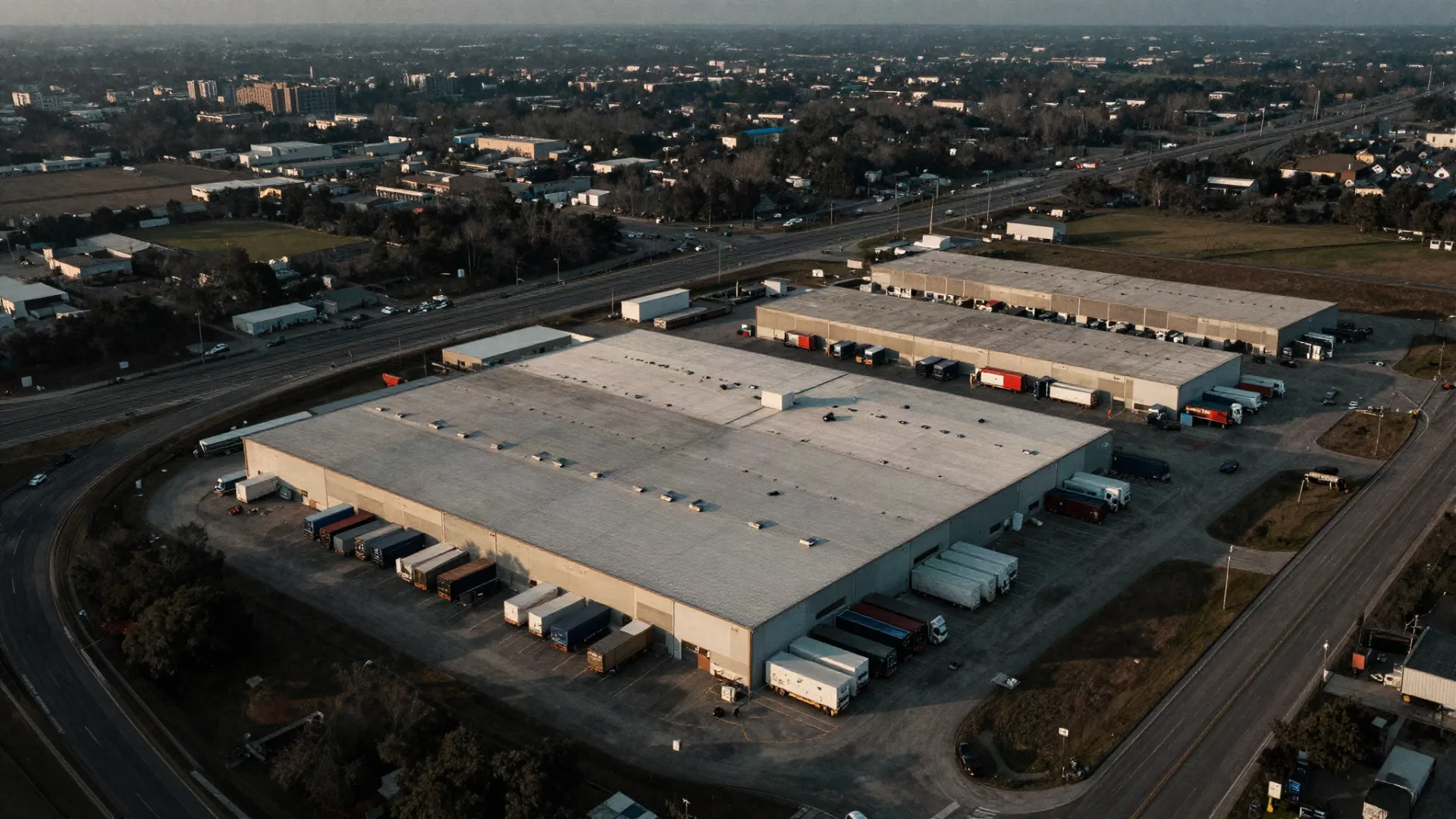
The integration of AI in supply chain operations addresses critical pain points that have plagued the industry for decades. With over $50 billion worth of goods moving daily through more than 50,000 warehouses and factories across North America, the complexity and scale of modern logistics demand intelligent solutions that can process vast amounts of data in real-time.
Logistics optimization through AI adoption has become essential rather than optional. You're operating in an environment where demand continues growing at 10% annually while the working-age population remains stagnant. This creates an urgent need for automation and intelligent decision-making systems that can handle increased throughput without proportional increases in labor costs.
AI technologies enable you to bridge operational gaps that traditional warehouse management systems (WMS) and transportation management systems (TMS) couldn't address, particularly in customs and last mile handoffs, which have remained a "data black hole" despite technological advances in other logistics areas. The result is improved efficiency, reduced transit times, and enhanced visibility across your entire supply chain network.
Current Challenges in Logistics and Supply Chain
Modern logistics challanges create significant operational bottlenecks that impact efficiency across the entire supply chain ecosystem. The industry faces a perfect storm of interconnected issues that demand immediate attention and innovative solutions.
1. Supply Chain Fragmentation
Supply chain fragmentation represents one of the most pressing concerns facing logistics operators today. With over 50,000 warehouses and factories processing more than $50 billion worth of goods daily across North America alone, the lack of unified systems creates data silos and operational blind spots. You're dealing with disconnected technologies that prevent seamless information flow between different stages of the supply chain. To tackle this issue, it's crucial to explore strategies for overcoming fragmentations in supply chain systems.
2. Freight Handoff Challenges
The freight handoffs present a particularly acute problem within this fragmented landscape. While Warehouse Management Systems (WMS) and Transportation Management Systems (TMS) have successfully digitized warehouse floors and highway operations, manual proccesses continue to dominate customs and handoff activities. This creates what industry experts call the "handoff digitization gap" - a technological black hole where critical cargo movements, driver check-ins, and load tracking rely on outdated paper-based systems and manual verification processes.
3. Workforce Constraints
Workforce constraints compound these operational inefficiencies. The logistics industry experiences robust demand with 10% annual square footage growth, yet faces a stagnant working-age population. You're managing increased throughput demands with limited human resources, making automation and intelligent systems not just beneficial but essential for maintaining competitive operations.
Key AI Technologies Transforming Logistics Operations
1. Machine Learning Logistics
Machine learning logistics applications are changing the game for supply chains by improving their ability to predict and optimize operations. These algorithms analyze historical data patterns to forecast demand fluctuations, identify potential bottlenecks, and optimize routing decisions in real-time. You can use predictive analytics to anticipate equipment failures, reduce maintenance costs, and ensure smooth operations throughout your network.
2. Generative AI Supply Chain
Generative AI supply chain solutions are reshaping decision-making processes by generating intelligent content and recommendations. These systems automatically create reports, suggest scheduling changes, and provide insights that help you make better operational choices. Generative AI is also useful for developing training materials, generating compliance documents, and answering complex supply chain questions.
3. AI Tracking Technology
AI tracking technology is a game-changer for freight automation and monitoring. Live tracking systems with advanced algorithms can:
Track cargo movements with near-flawless accuracy across freight operations
Automate booking and customs clearance without human involvement
Identify security threats and unauthorized pickups instantly
Ensure compliance with safety rules and operational standards
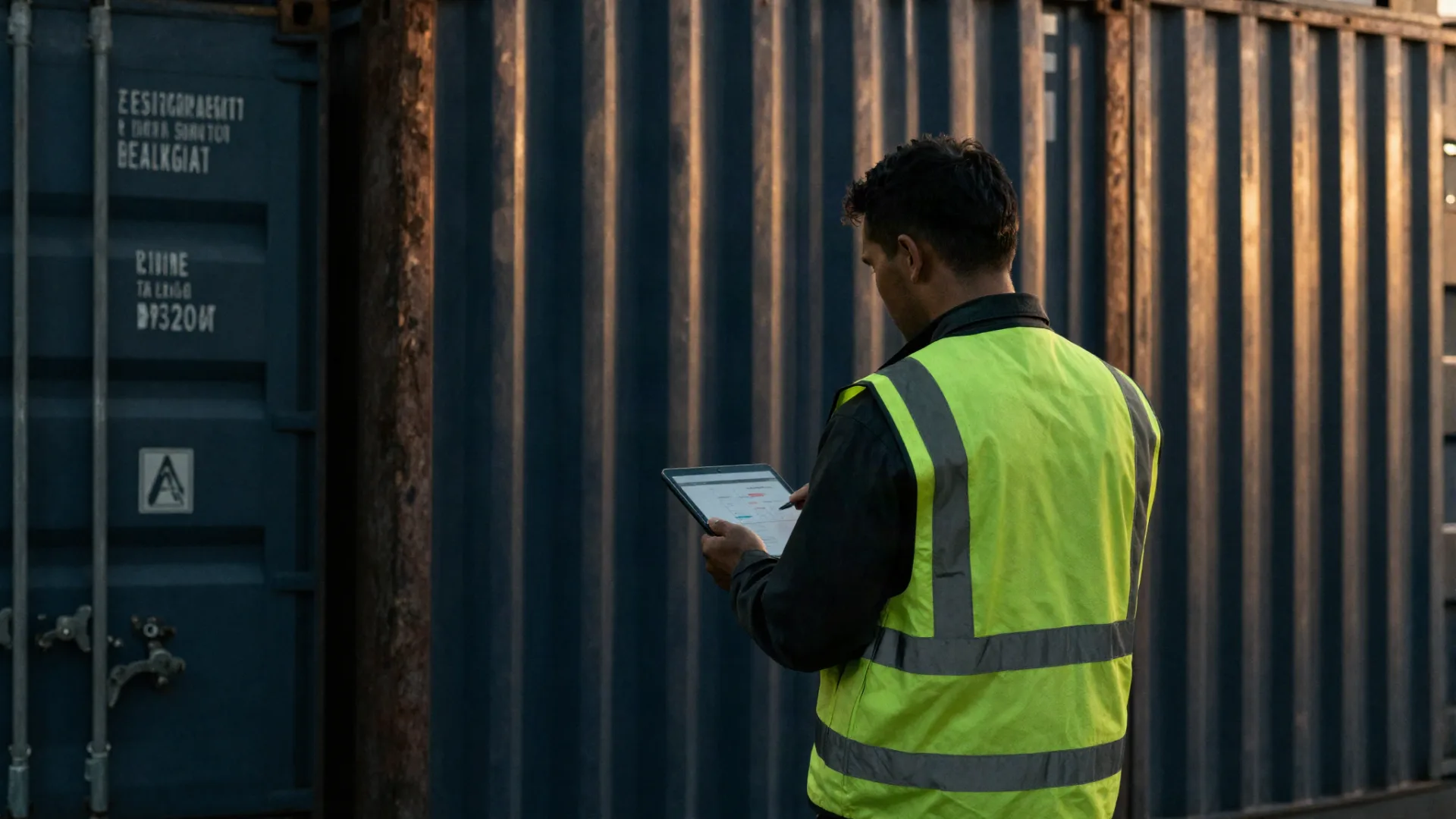
These tracking systems process thousands of data points at once, recognizing pallets, containers, and vehicles while keeping tabs on their condition and location. This gives you unparalleled visibility into freight operations that were previously managed manually or through disconnected systems. The technology easily integrates with your current setup, providing actionable insights that boost efficiency and minimize human mistakes.
Applications of AI Across the Supply Chain Spectrum
Warehouse Automation
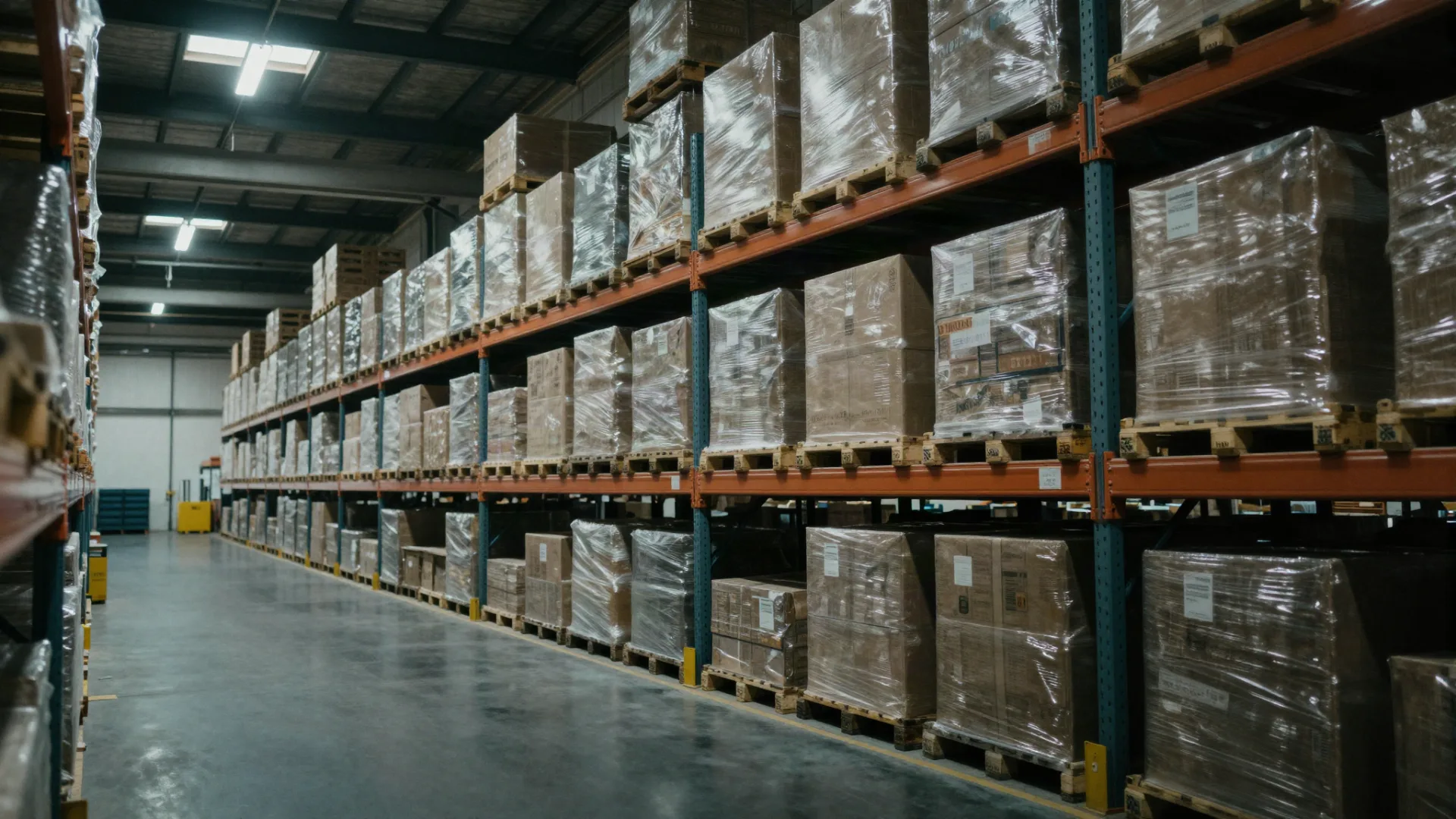
AI-driven inventory management systems are taking warehouse automation to new heights. These systems continuously monitor stock levels, predict replenishment needs, and optimize storage locations.
You can implement machine learning algorithms that analyze historical data patterns to forecast demand spikes, automatically triggering reorder points before stockouts occur. These solutions reduce carrying costs by up to 30% while maintaining service levels through intelligent stock positioning and automated cycle counting processes.
Route Optimization
Carrier operations are being transformed by route optimization, which uses dynamic pricing models that adjust rates based on real-time market conditions, fuel costs, and capacity utilization.
AI algorithms process thousands of variables simultaneously to determine optimal delivery routes, reducing fuel consumption and improving on-time performance. This means you can benefit from systems that automatically reroute vehicles based on traffic patterns, weather conditions, and customer priority levels.
Real-Time Demand Sensing
With real-time demand sensing capabilities, supply chains can now respond instantly to market fluctuations through intelligent automation.
AI systems analyze point-of-sale data, social media trends, and external factors like weather patterns to predict demand shifts before they impact inventory levels. This approach allows you to align production schedules with actual market needs, reducing waste and improving customer satisfaction.
Interconnected Networks
These applications create interconnected networks where each AI system feeds data to others.
This builds comprehensive ecosystems in logistics and supply chain that adapt continuously to changing business conditions.
Bridging the Handoff Digitization Gap with Advanced Platforms
The logistics industry has successfully digitized warehouses through WMS and highways through TMS, yet handoff digitization remains a critical blind spot. This gap creates a data black hole where over $50 billion worth of goods move daily through 50,000+ warehouses and factories across North America without proper visibility or automation.
Challenges in Traditional Freight Operations
Traditional freight operations face significant challenges that stem from fragmented technology solutions:
Manual processes dominate customs clearance, cargo tracking, and workflow management
Disconnected systems create information silos between freight activities and warehouse operations
Limited visibility into container locations, transit times, and capacity utilization
Inefficient resource allocation due to lack of real-time data and predictive insights
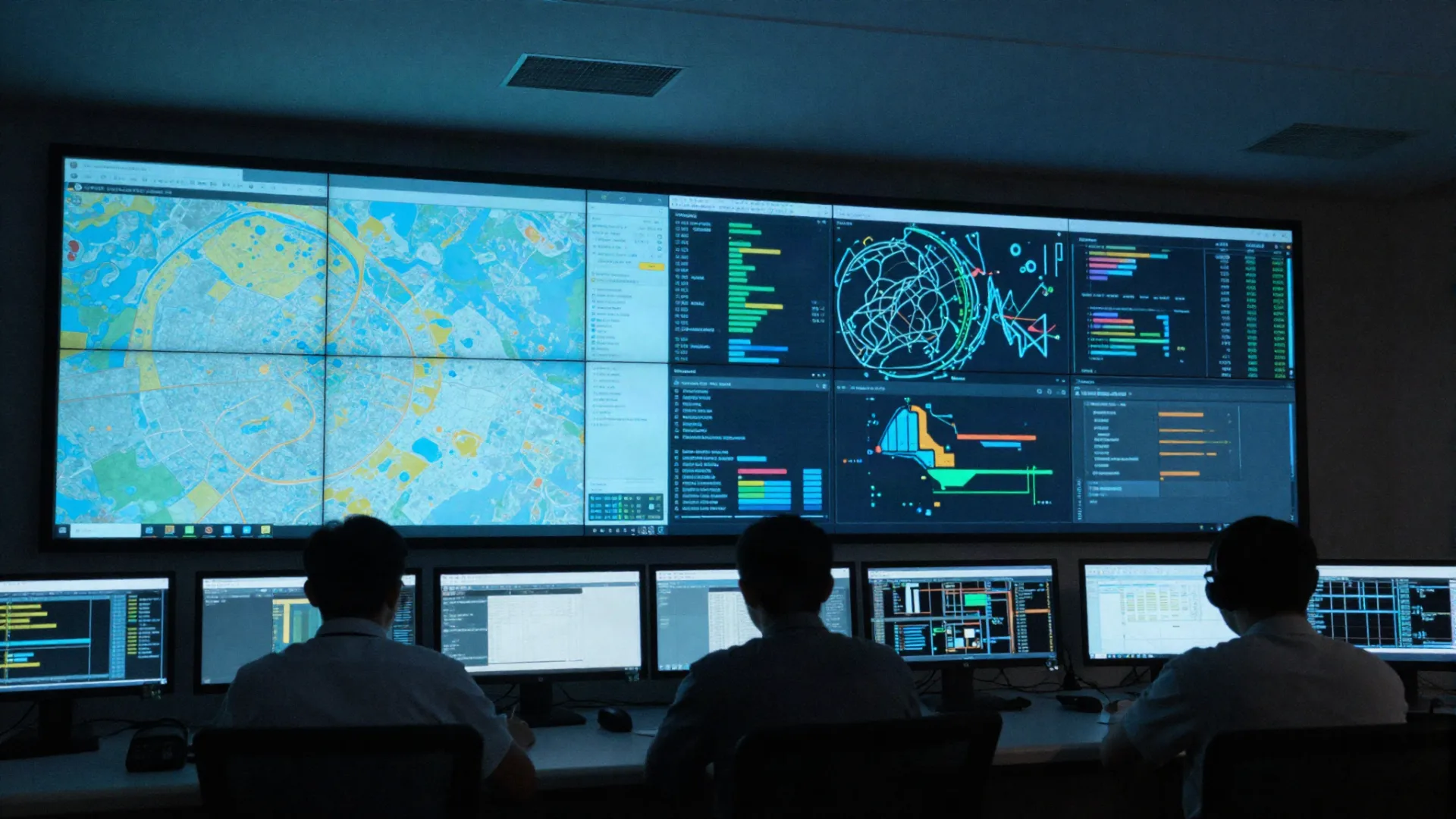
Introducing the Corvane Cargo Control Tower
The Corvane Cargo Control Tower addresses these obstacles through an integrated freight execution platform that combines AI tracking technology, real-time data infrastructure, and modular software applications. This comprehensive solution delivers:
99.5% data accuracy through proprietary live tracking capabilites
50%+ throughput improvement via AI-powered automated customs processes
90% reduction in asset search time through intelligent tracking and orchestration
25%+ reduction in demurrage fees by optimizing freight workflows
Benefits of the Integrated Freight Execution Platform
The platform's modular design enables rapid deployment across freight networks while providing single-pane-of-glass visibility that connects previously isolated freight operations with existing WMS and TMS systems.
Future Trends Shaping the Role of Artificial Intelligence Within The Industry's Evolving Landscape
The future of AI logistics promises revolutionary changes that will reshape how you manage supply chain operations. Autonomous vehicles represent the most visible transformation on the horizon, with self-driving trucks already undergoing testing across major freight corridors. These vehicles will integrate seamlessly with AI-powered freight systems, creating fully automated cargo flows from port to warehouse door.
1. Robotics integration into freight accelerates beyond traditional warehouse applications
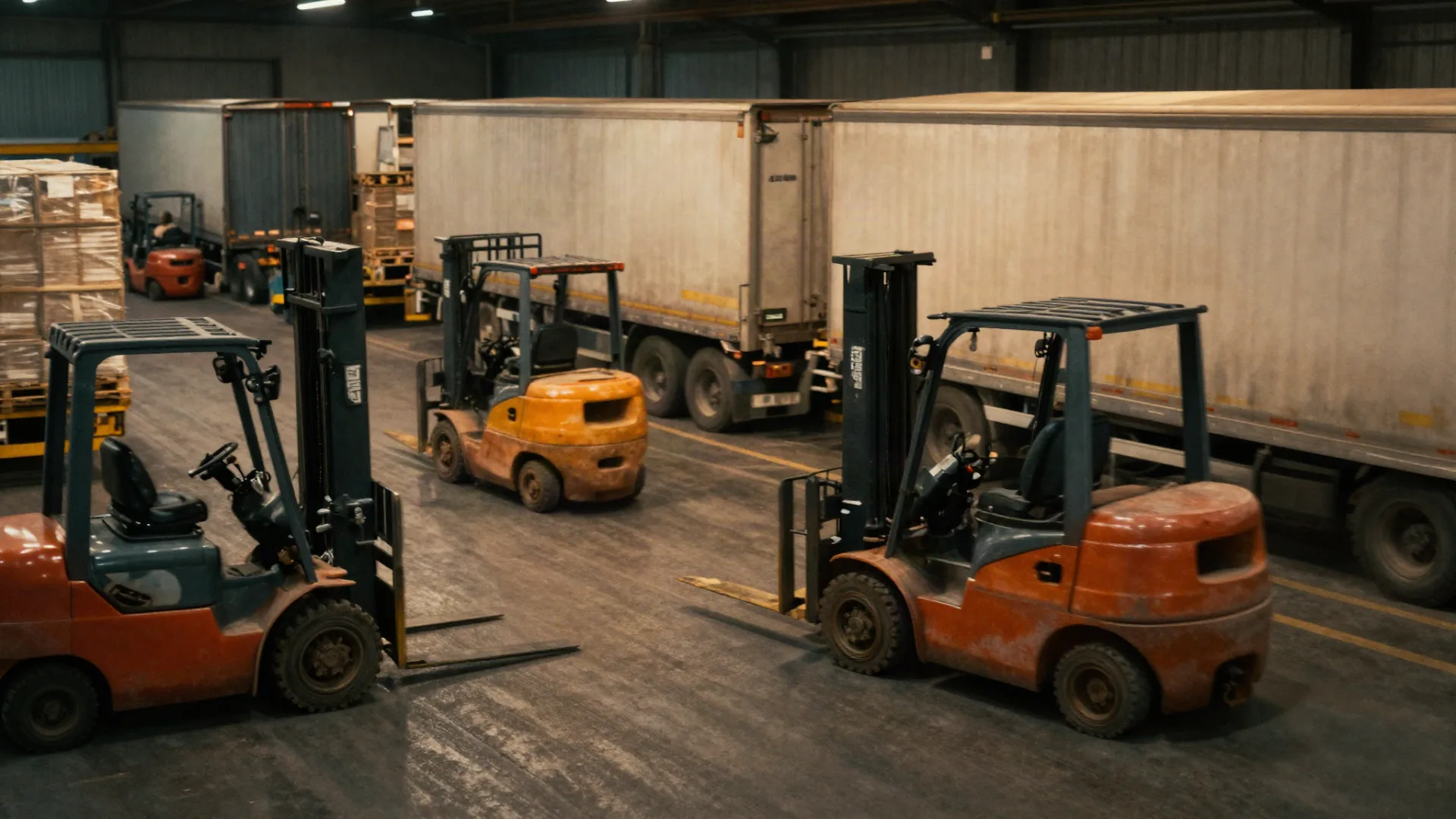
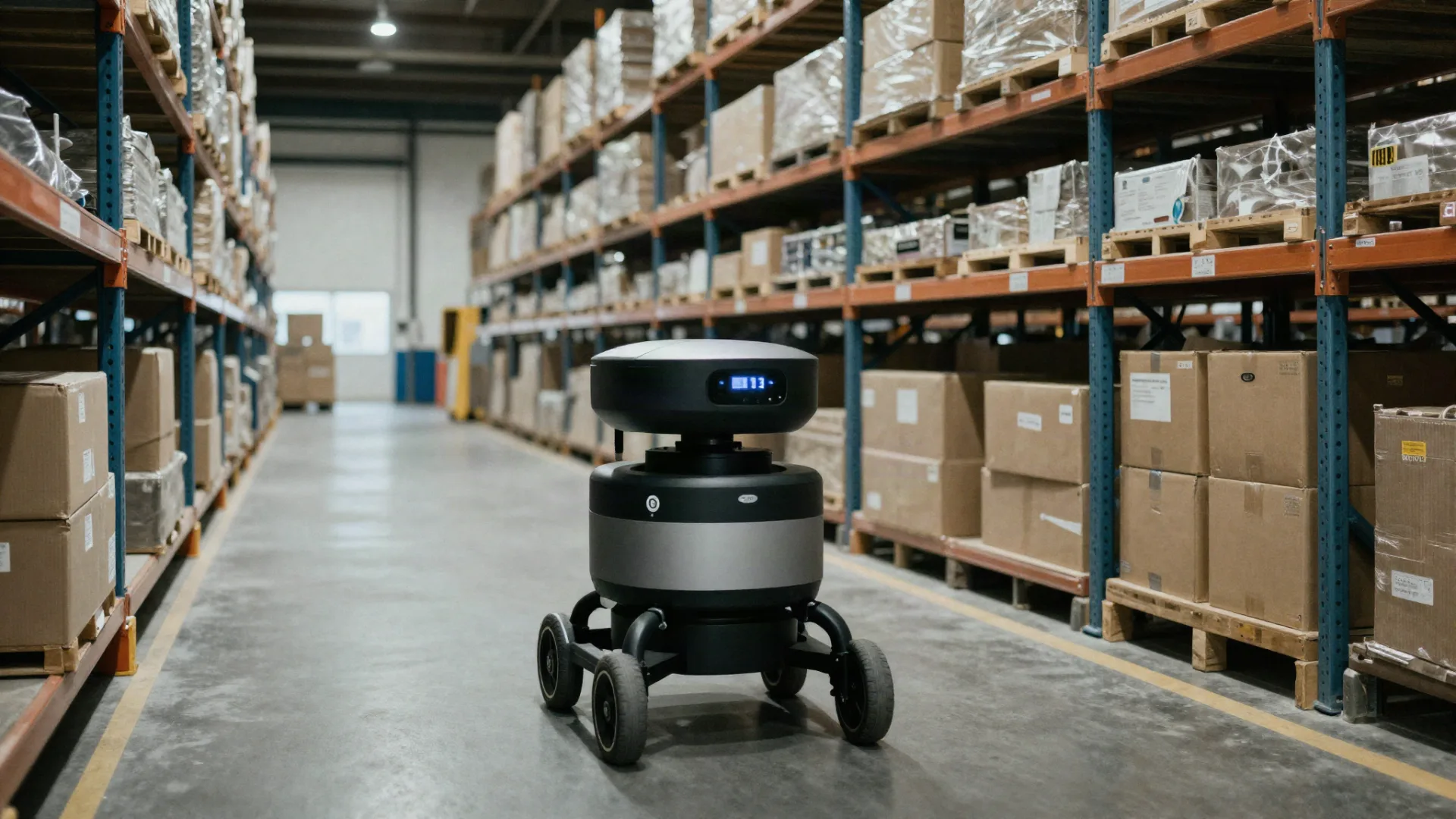
You'll see robotic loaders replacing human-operated equipment, while AI-powered robots handle container positioning and cargo inspection tasks. These systems work alongside live tracking platforms to create completely autonomous freight environments.
2. Agentic AI emerges as a game-changing technology
This advancement allows freight platforms to automatically resolve operational conflicts, optimize space allocation, and coordinate multi-site logistics networks in real-time.
3. Predictive maintenance extends the convergence of AI in logistics and supply chain operations
Machine learning algorithms anticipate equipment failures before they occur.
4. Edge computing brings AI processing directly to ports and depots
This reduces latency and enables instant decision-making for time-sensitive operations.
5. Digital twin technology creates virtual replicas of entire supply chain networks
These innovations collectively transform logistics from reactive to predictive, positioning your operations for unprecedented efficiency gains.