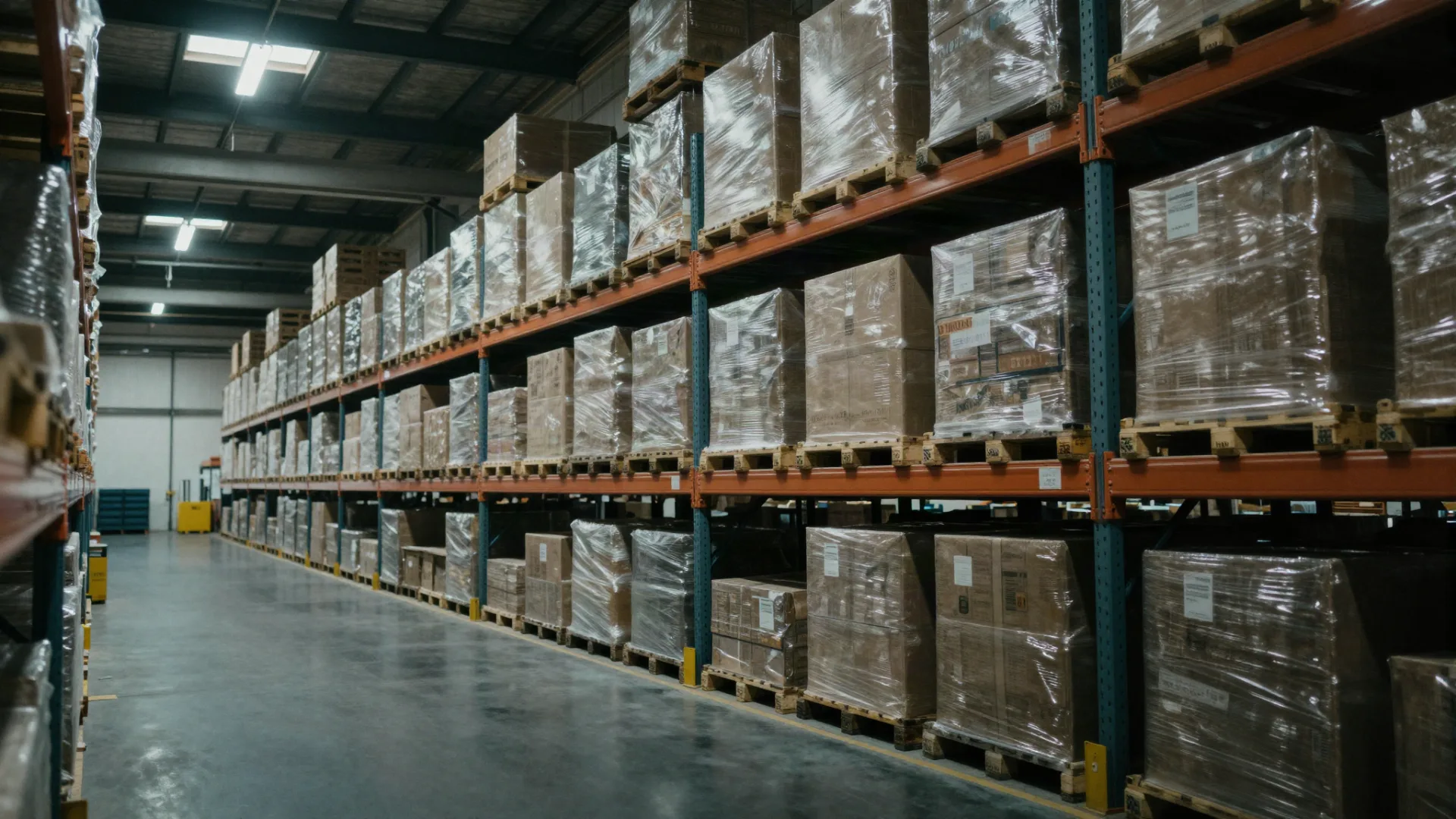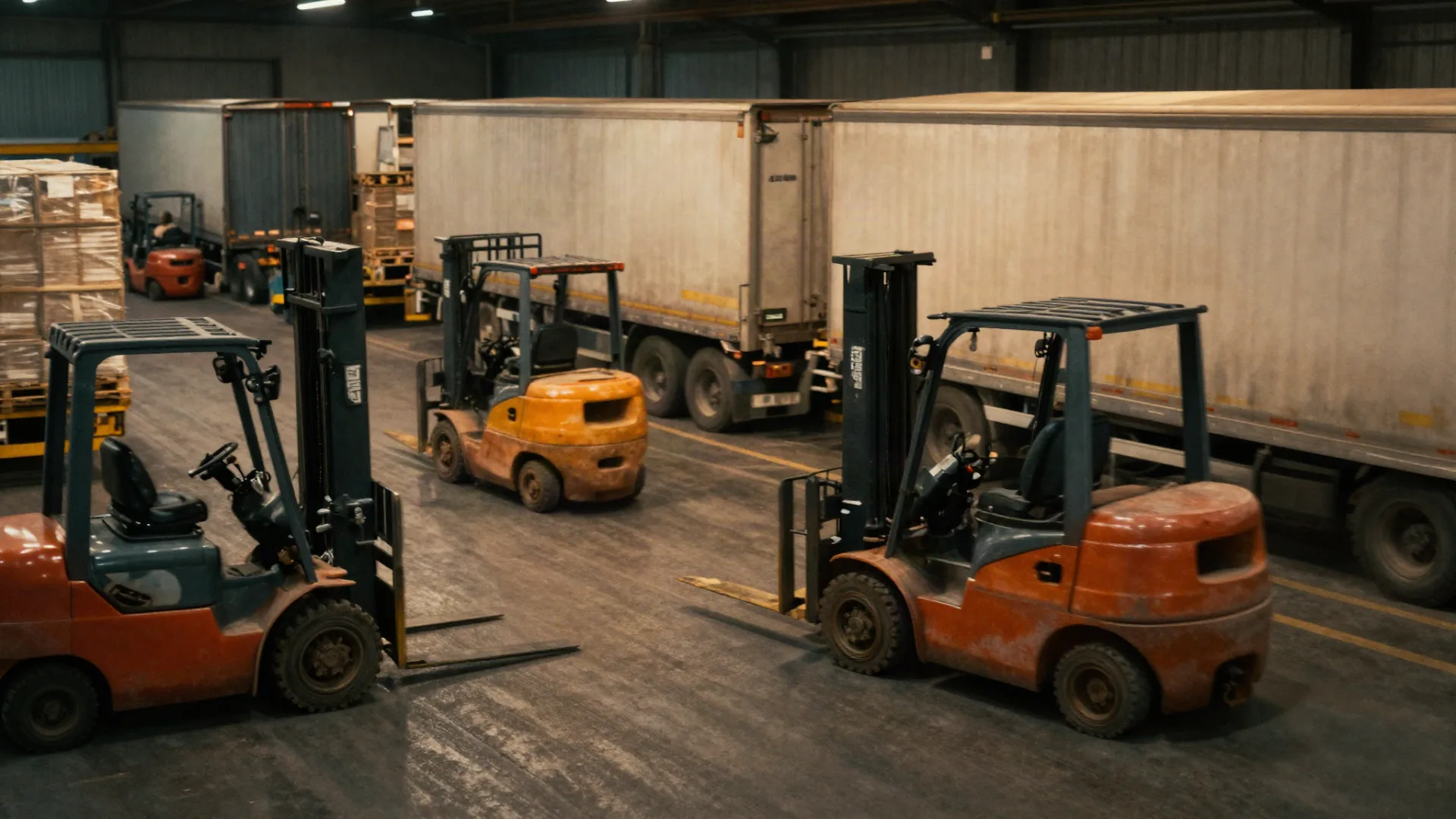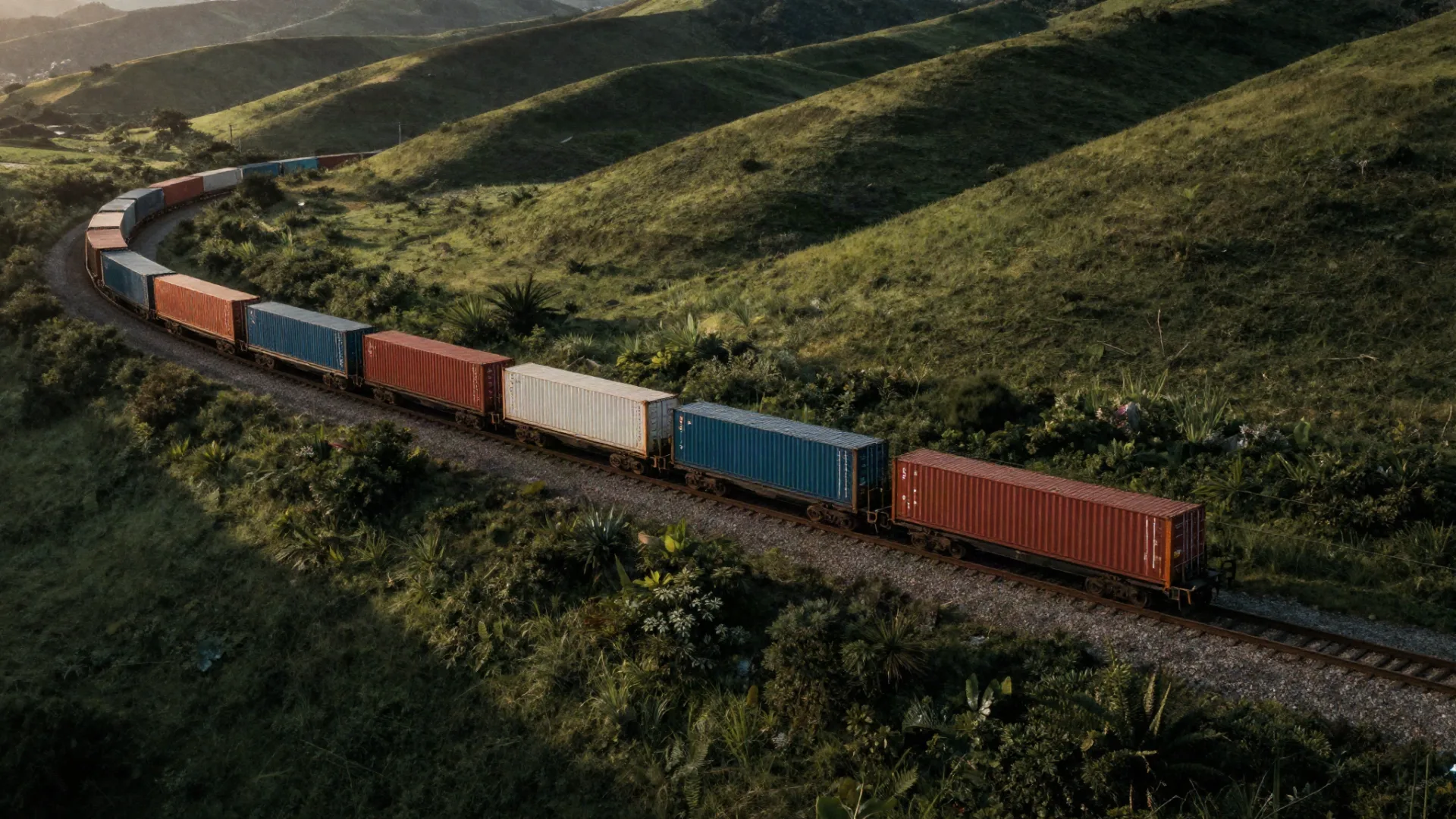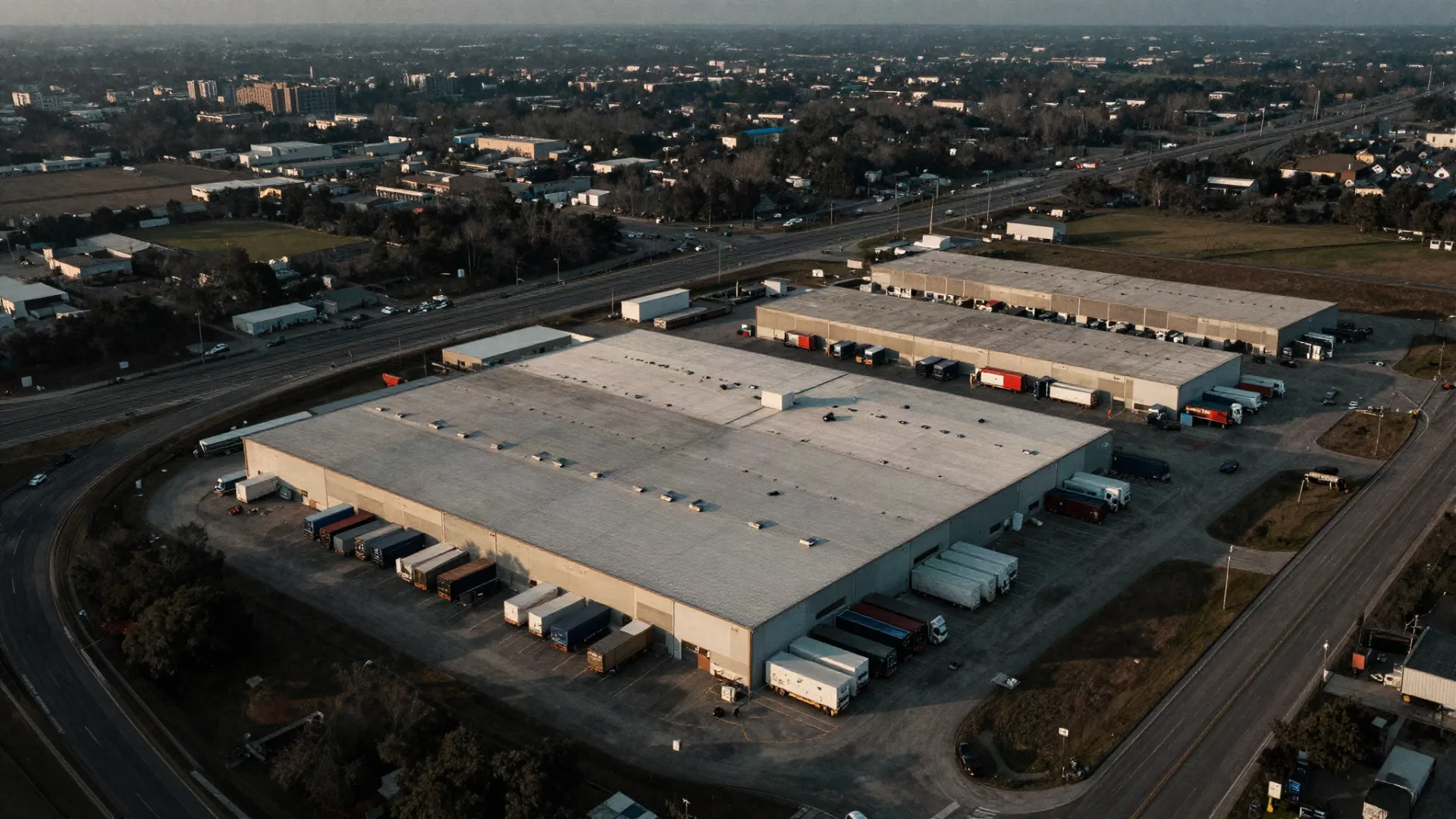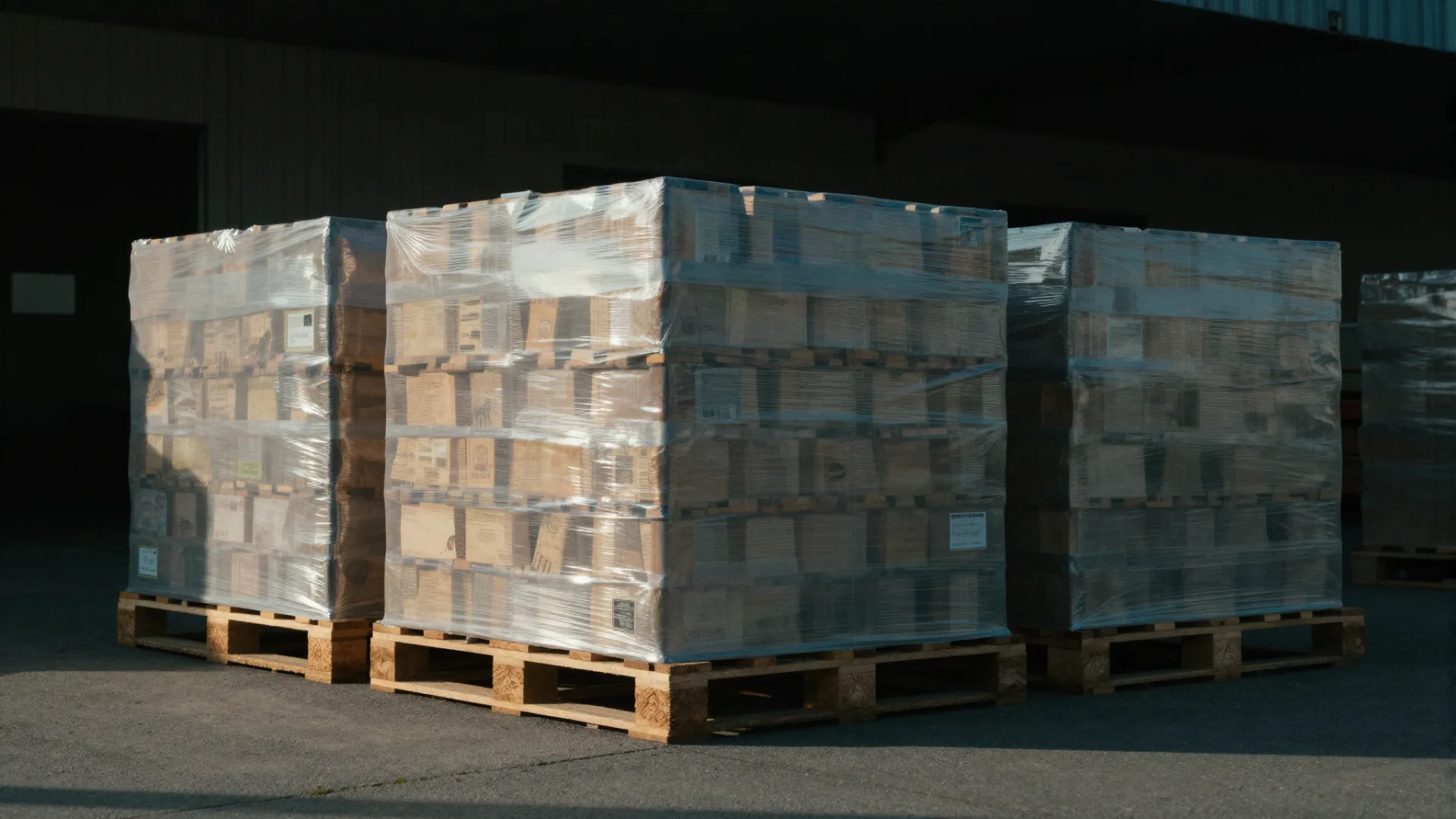

A freight forwarding platform (FFP) is a software solution that connects warehouse operations to transportation networks, making the entire process more efficient and visible. It replaces outdated manual methods with real-time tracking and coordination of containers, trucks, and shipments across every lane.
The handoff between modes is a crucial part of the supply chain where goods are transferred between warehouses and transportation vehicles. With over $50 billion worth of goods moving through North America every day, it's essential to optimize this area for smoother operations.
While Warehouse Management Systems (WMS) have improved internal warehouse processes and Transportation Management Systems (TMS) have streamlined road logistics, cross-border freight has been largely neglected by technology.
This article will provide an in-depth look at how forwarding platforms can bridge the gap between air, sea and road operations. We'll explore features such as automated booking, smart cargo routing, and integration with existing logistics systems. By implementing an effective platform, you can expect increased efficiency, reduced delays, and a positive return on investment within months.
Understanding the Critical Role of Forwarding Platforms in Supply Chain Efficiency
The Challenges of Traditional Freight Forwarding
Traditional freight forwarding relies heavily on manual processes that create significant operational bottlenecks. Paper-based customs filings, phone calls to locate containers, and spreadsheet tracking systems consume valuable time while introducing human error into critical operations. These fragmented technology approaches leave supply chain visibility gaps that ripple throughout the entire logistics network.
The Consequences of Inefficient Freight Operations
The impact of inefficient freight operations extends far beyond the warehouse walls. When you can't locate containers quickly, drivers experience extended demurrage times that cascade into delivery delays. Poor freight operations efficiency creates a domino effect:
Delayed shipments that miss customer delivery windows
Increased labor costs from manual tracking and coordination efforts
Reduced warehouse door utilization due to poor container positioning
Higher demurrage fees that strain carrier relationships
How Modern Freight Forwarding Platforms Solve These Issues
Modern forwarding platforms transform these pain points through intelligent automation and real-time data capture. Advanced container tracking capabilities provide instant visibility into cargo locations, status, and movement history. You gain precise control over shipment orchestration through automated customs processes that eliminate manual filings and reduce processing times by up to 75%.
The technology delivers comprehensive coordination between freight operations and warehouse management systems. Real-time tracking enables proactive decision-making - you can identify potential bottlenecks before they impact operations and automatically route containers to optimal warehouse slots based on load priorities and warehouse capacity.
Live tracking technology captures cargo movements without requiring RFID tags or GPS devices, providing near-perfect data accuracy while reducing infrastructure costs. This level of precision transforms freight operations from reactive firefighting into strategic supply chain orchestration that drives measurable performance improvements across your entire logistics network.
Key Features to Look for in a Freight Forwarding Platform
When evaluating platform features, you need to focus on capabilities that directly address your operational challenges and deliver measurable improvements. A comprehensive forwarding solution should integrate seamlessly with your existing infrastructure while providing the flexibility to scale across multiple lanes.
Essential Delivery Scheduling Software Capabilities
Real-time booking forms the backbone of efficient freight operations. Your system should enable carriers to book delivery appointments online while automatically optimizing slot availability based on your warehouse's capacity and operational constraints. Advanced delivery scheduling software incorporates intelligent algorithms that consider container types, load priorities, and receiving door specifications to prevent bottlenecks.
Dynamic scheduling adjustments allow you to respond quickly to unexpected changes, such as early arrivals or equipment delays. The platform should automatically reschedule bookings and notify all stakeholders when disruptions occur.
Comprehensive Cargo Management Tools
Automated cargo tracking eliminates the guesswork in container and equipment management. Modern cargo management tools leverage live tracking technology to provide near-perfect data accuracy without requiring RFID tags or GPS devices. This approach reduces hardware costs while delivering superior visibility.
Location intelligence capabilities enable your team to locate any shipment within seconds rather than spending valuable time chasing updates. The system should maintain detailed records of cargo movements, transit times, and current status. Such technology is not just theoretical; it has been successfully implemented in real-world scenarios.
Advanced Workflow Automation
Configurable business rules allow you to customize workflows based on your specific operational requirements. High-value loads can trigger enhanced security protocols, while routine shipments flow through streamlined processes. The system should support bi-directional freight operations to accommodate varied traffic patterns and optimize throughput across your network.
Incorporating advanced technologies such as AI and machine learning into your forwarding platform can further enhance its efficiency.
Exploring Advanced Technologies Powering Modern Freight Forwarding Solutions
AI in Freight Forwarding Platforms
AI in freight forwarding platforms transforms how networks handle complex operational decisions. Machine learning algorithms analyze historical patterns, traffic flows, and cargo utilization data to predict optimal routing assignments and reduce congestion. These intelligent systems learn from daily operations, continuously refining their recommendations for container positioning, delivery slot scheduling, and resource allocation.
Smart algorithms process real-time data streams from multiple sources to identify bottlenecks before they impact operations.
You can leverage predictive analytics to anticipate peak shipping periods and automatically adjust staffing levels or customs operations.
AI-powered decision engines evaluate hundreds of variables simultaneously—from weather conditions to driver schedules—delivering actionable insights that human operators might miss.
Live Tracking Technology for Logistics
Live tracking technology for logistics eliminates traditional tracking limitations by providing recognition capabilities that surpass RFID and GPS systems. Advanced sensor networks capture high-resolution readings of containers, plate numbers, and cargo details with near-perfect accuracy rates. This intelligence enables automated customs processes without requiring drivers to carry specific devices or tags.
Modern forwarding platforms integrate live tracking with AI workflows to create fully automated booking experiences.
Sensors instantly identify arriving vehicles, verify documentation, and direct traffic flow without human intervention.
The technology recognizes damage, reads container numbers, and validates load specifications through automated analysis.
Benefits of Tracking-Enabled Systems
Tracking-enabled systems detect unauthorized access, monitor security protocols, and track cargo movements across the entire network. You gain comprehensive visibility into operations while reducing manual verification tasks that traditionally slow down customs processes. These automated workflows process shipments in seconds rather than minutes, dramatically improving throughput rates.
Overcoming Common Challenges with the Right Freight Forwarding Platform
1. Legacy system integration issues in freight
One of the biggest challenges organizations face when implementing new forwarding solutions is integrating with their existing systems. Your current warehouse management systems, transportation management platforms, and customs access controls often work independently, creating data silos that hinder smooth information flow.
Modern forwarding platforms tackle this problem by using flexible integration layers that connect different systems without needing complete infrastructure overhauls. The key is to choose solutions that have strong API capabilities and pre-built connectors for popular enterprise systems. This way, you can keep using your current WMS and TMS investments while filling in the operational gaps in your freight operations.
This approach has two main benefits:
It minimizes disruption to your daily operations
It significantly reduces implementation costs
2. Resource allocation challenges with freight forwarding software
Organizations often struggle to make the best use of their limited warehouse space, equipment, and personnel. Traditional manual processes make it nearly impossible to track how well assets are being used or identify bottlenecks in real-time.
Advanced forwarding platforms solve this problem by using intelligent algorithms that analyze past patterns and current conditions to recommend the best way to deploy resources.
3. Compliance risks in regulated industries
Compliance risks are another major challenge, especially in industries where documentation accuracy and audit trails are required by law. Modern freight forwarding systems automatically capture and store compliance-related data, such as driver credentials and cargo inspections, ensuring you have complete audit trails without needing manual input.
4. Importance of configurable workflows for implementation success
The success of your implementation depends on choosing platforms that offer configurable workflows instead of rigid, one-size-fits-all solutions. You need systems that can adapt to your specific operational needs while also being able to grow with your business.
The right platform can turn these common challenges into advantages over your competitors by using intelligent automation and providing a complete view of your operations.
Market Trends Driving the Adoption of Freight Forwarding Platforms
The logistics industry is under immense pressure as $50 billion worth of goods move every day through over 50,000 ports, warehouses and factories in North America. This huge volume, along with strong demand and 10% annual growth in space, creates an urgent need for technological solutions that can handle increasing complexity without hiring more workers.
The Importance of Technology in Responding to Supply Chain Disruptions
Using technology to respond to supply chain disruptions has become a critical business necessity. Companies that used to rely on manual freight processes now realize that their operations are vulnerable. When disruptions happen—whether it's due to bad weather, labor shortages, or global supply chain interruptions—organizations with digitized freight operations can adapt quickly and keep things running smoothly.
The Impact of a Stagnant Working-Age Population
The challenges are worsened by the stagnant working-age population. You can't just hire your way out of operational bottlenecks anymore. Smart logistics leaders are turning to automation and AI-driven document scanning for logistics to overcome labor limitations while improving accuracy and speed.
Key Market Forces Accelerating Platform Adoption
Several key market forces are driving the adoption of freight forwarding platforms:
Digital transformation mandates from corporate leadership seeking competitive advantages
Customer experience expectations requiring real-time visibility and faster turnaround times
Sustainability initiatives demanding optimized asset utilization and reduced idle time
Resilience requirements following recent supply chain vulnerabilities
Freight as the Last Frontier in Logistics Digitization
Cross-border freight has become the final major area in logistics operations where data and technology have not been fully integrated. While Warehouse Management Systems (WMS) and Transportation Management Systems (TMS) have successfully digitized warehouse floors and highway transportation, customs and handoffs still largely operate manually. This gap creates operational blind spots that modern businesses can no longer afford, leading to a rapid increase in the adoption of comprehensive freight forwarding solutions that address these critical operational and data gaps.
Selecting the Right Freight Forwarding Platform for Your Business Needs
Choosing the right freight forwarding platform requires careful evaluation of your operational requirements and business objectives. You need to assess your current freight complexity, including the number of lanes, receiving doors, daily shipment volume, and shift patterns. Companies with 25+ lanes and 50+ weekly shipments typically benefit most from comprehensive forwarding solutions.
Key Factors to Consider When Choosing a Forwarding Provider
Here are some key factors to consider when choosing a suitable forwarding provider:
Scalability: Your selected system should accommodate growth across multiple lanes without requiring complete infrastructure overhauls. Look for cloud-native platforms that can expand seamlessly to additional ports while maintaining unified visibility and control.
Integration capabilities: The right provider offers flexible integration layers that connect with customs systems, access control, and third-party logistics tools without disrupting current operations.
Technology stack: Modern forwarding platforms leverage AI-powered live tracking for automated customs processes, eliminating dependencies on RFID tags or GPS tracking. These systems deliver higher data accuracy rates while reducing manual intervention requirements.
Implementation timeline and support: Seek vendors offering rapid deployment capabilities with minimal IT infrastructure changes. The best providers deliver plug-and-play solutions that can be operational within hours rather than months.
ROI metrics: Evaluate providers based on their ability to demonstrate measurable improvements in throughput, cargo search time reduction, and demurrage fee savings. Systems promising sub-1 year payback periods typically offer the most compelling business cases for freight digitization investments.
By considering these factors, you can choose a forwarding provider that meets your business needs and helps you achieve your operational goals.
Conclusion
The strategic benefits of implementing a forwarding platform extend far beyond basic operational improvements. Organizations that embrace AI-powered freight forwarding solutions position themselves to capture significant competitive advantages in an increasingly demanding logistics landscape.
Modern freight forwarding platforms equipped with live tracking technology and machine learning capabilities transform traditionally manual processes into intelligent, automated workflows. You gain the ability to make considerable improvements in throughput while reducing cargo search times and cutting demurrage fees at the same time.
The digitization gap between your warehouse management systems and transportation management systems creates a critical blind spot in your supply chain. Bridging this gap with an AI-native control tower provides the real-time visibility and automated decision-making capabilities you need to respond swiftly to supply chain disruptions.
Companies deploying advanced freight technologies report rapid ROI within months (not years!), demonstrating that the investment pays for itself quickly. The scalability of modern platforms allows you to standardize operations across multiple lanes, creating network-wide visibility and operational consistency that drives sustained competitive advantage in today's fast-paced logistics environment.