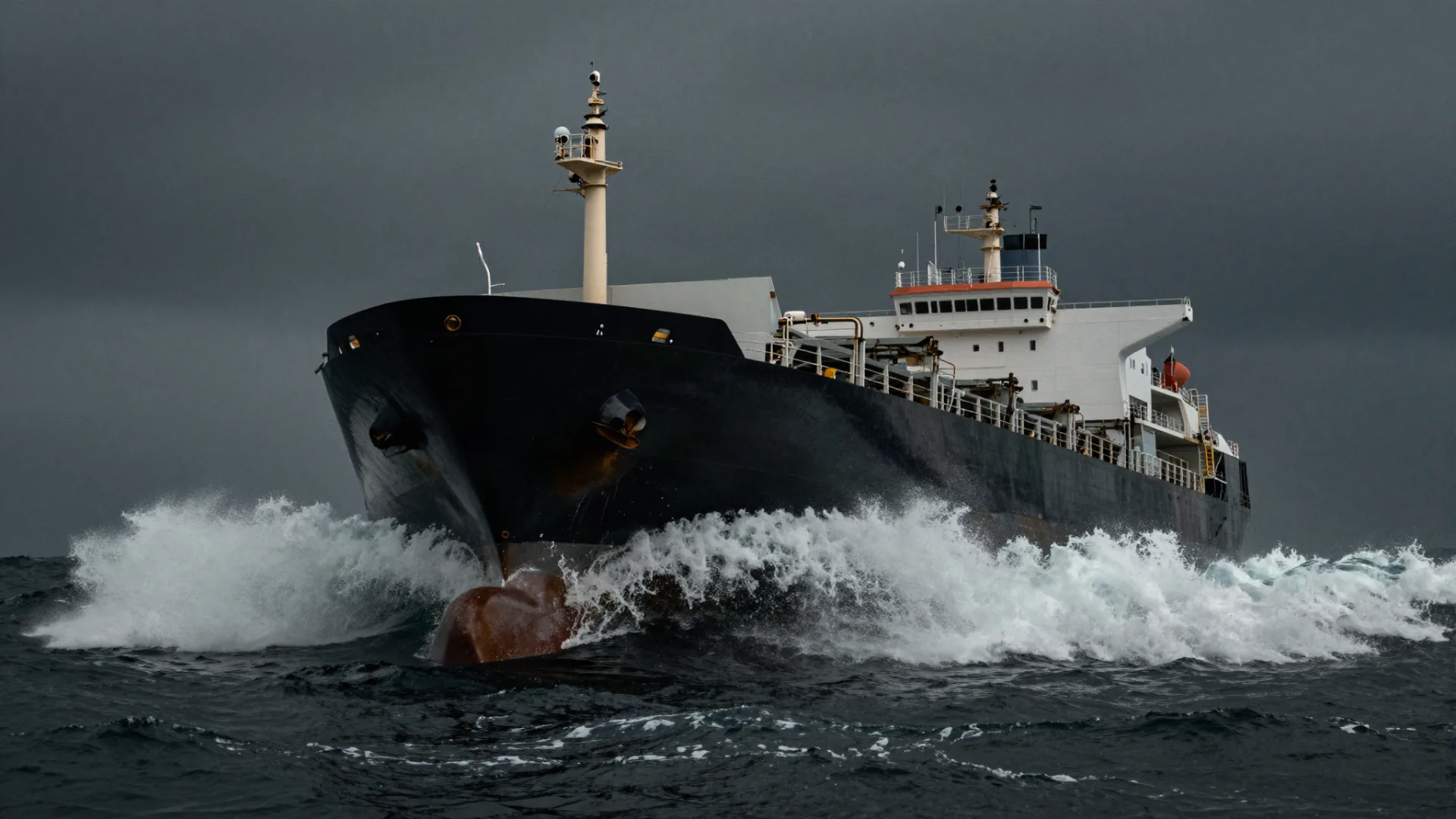

Freight Forwarding: Transforming Shipping in Modern Logistics
Freight Forwarding Software is a crucial technology solution that connects warehouse management systems and transportation networks. While warehouses and trucking have seen significant digital advancements, customs and cross-border handoffs still remain mostly untouched by technology in the logistics world.
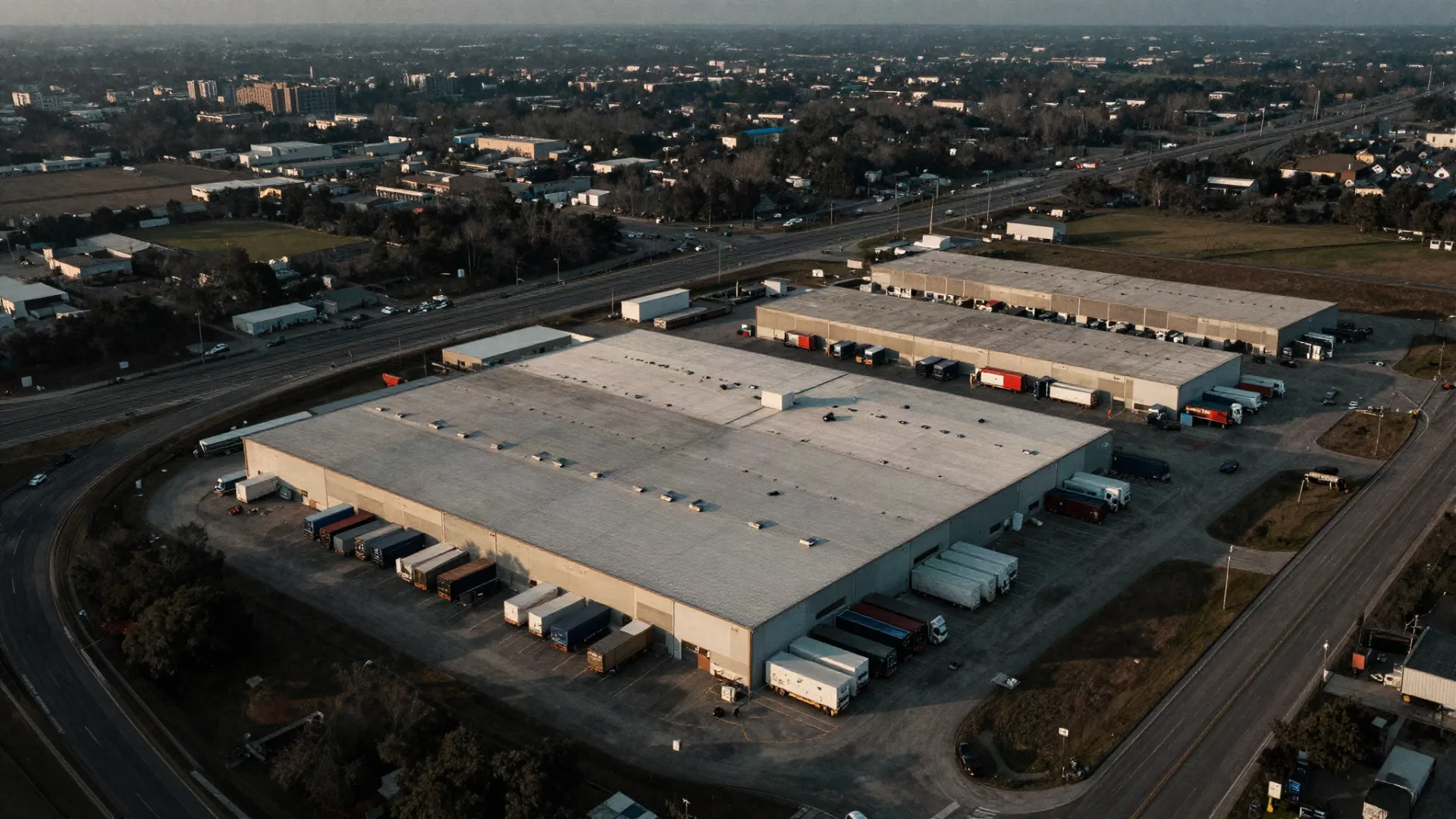
You are under increasing pressure to optimize operations as over $50 billion worth of goods are transported daily through more than 50,000 warehouses and factories across North America. Traditional methods of managing freight often lead to bottlenecks that affect entire supply chains, resulting in delays, higher costs, and decreased efficiency. Modern forwarding tackles these issues by offering real-time visibility, automated processes, and intelligent carrier allocation across shipments.
This detailed guide delves into the key features and transformative advantages of implementing freight forwarding software in your supply chain operations. You'll discover how cutting-edge solutions are reshaping freight digitization, explore emerging trends in automation and AI integration, and gain insights into Corvane Cargo's groundbreaking Corvane Cargo Control Tower that's setting new standards for freight execution platforms.
The Role of Freight Forwarding in Modern Supply Chains
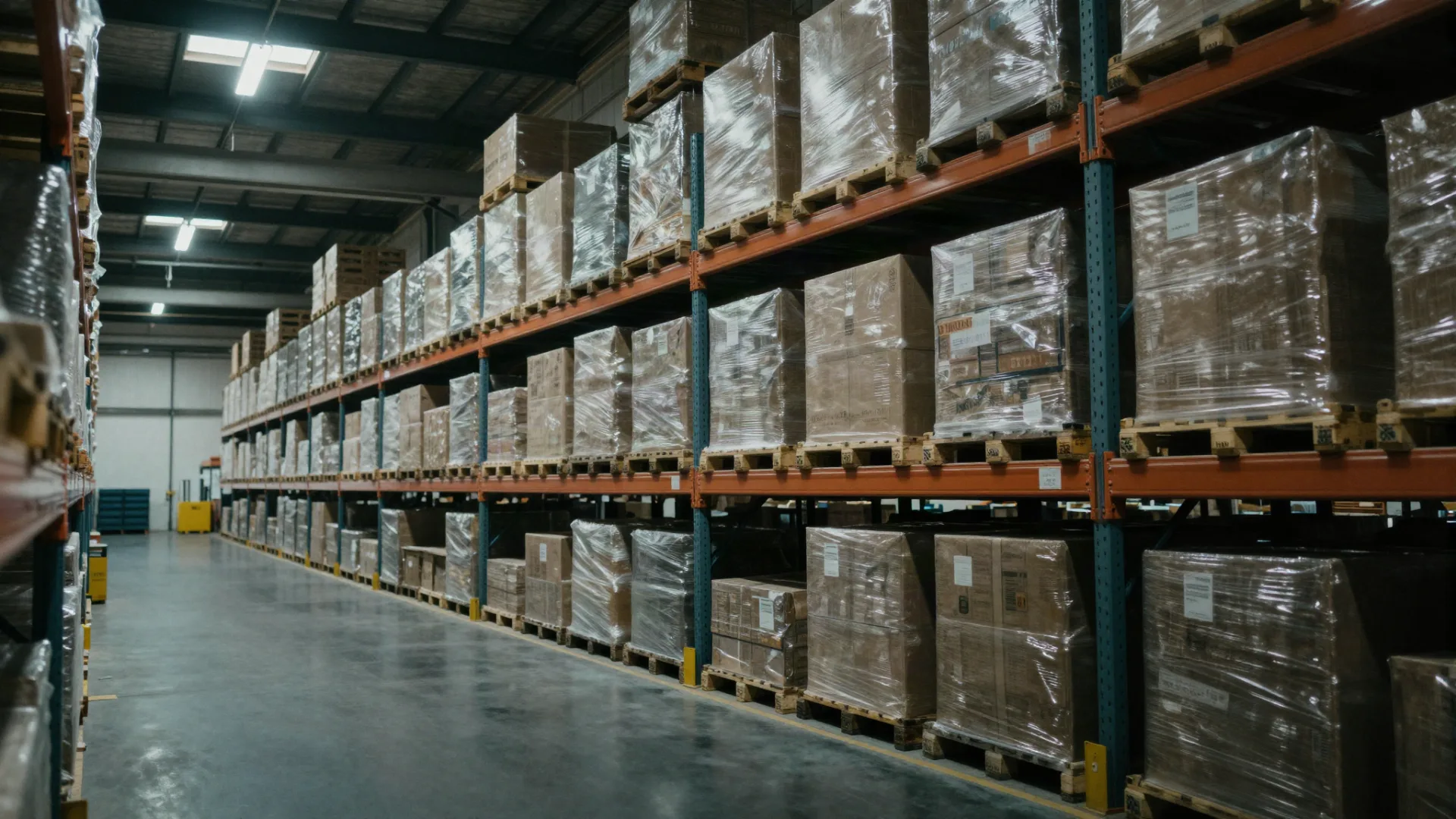
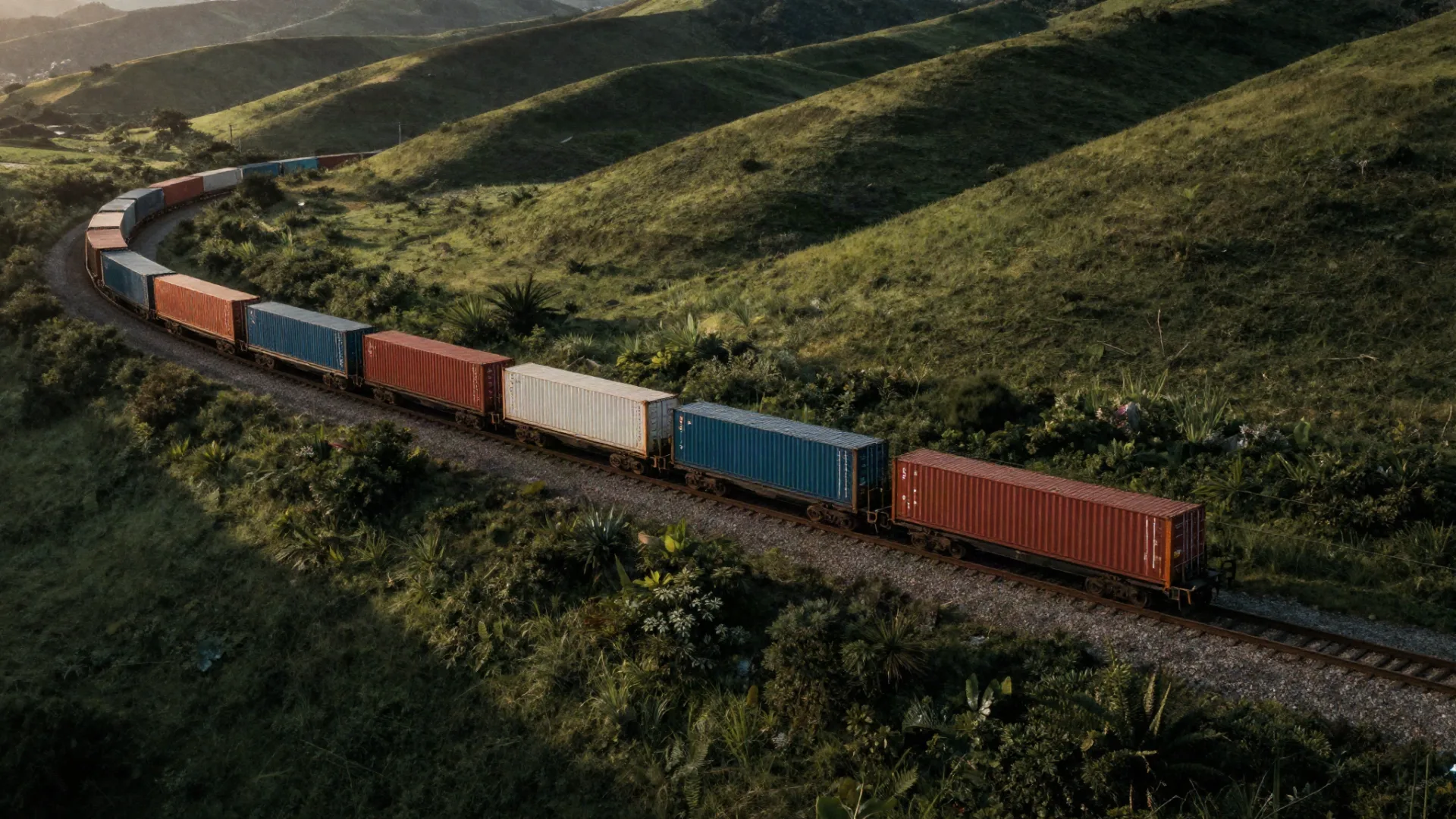
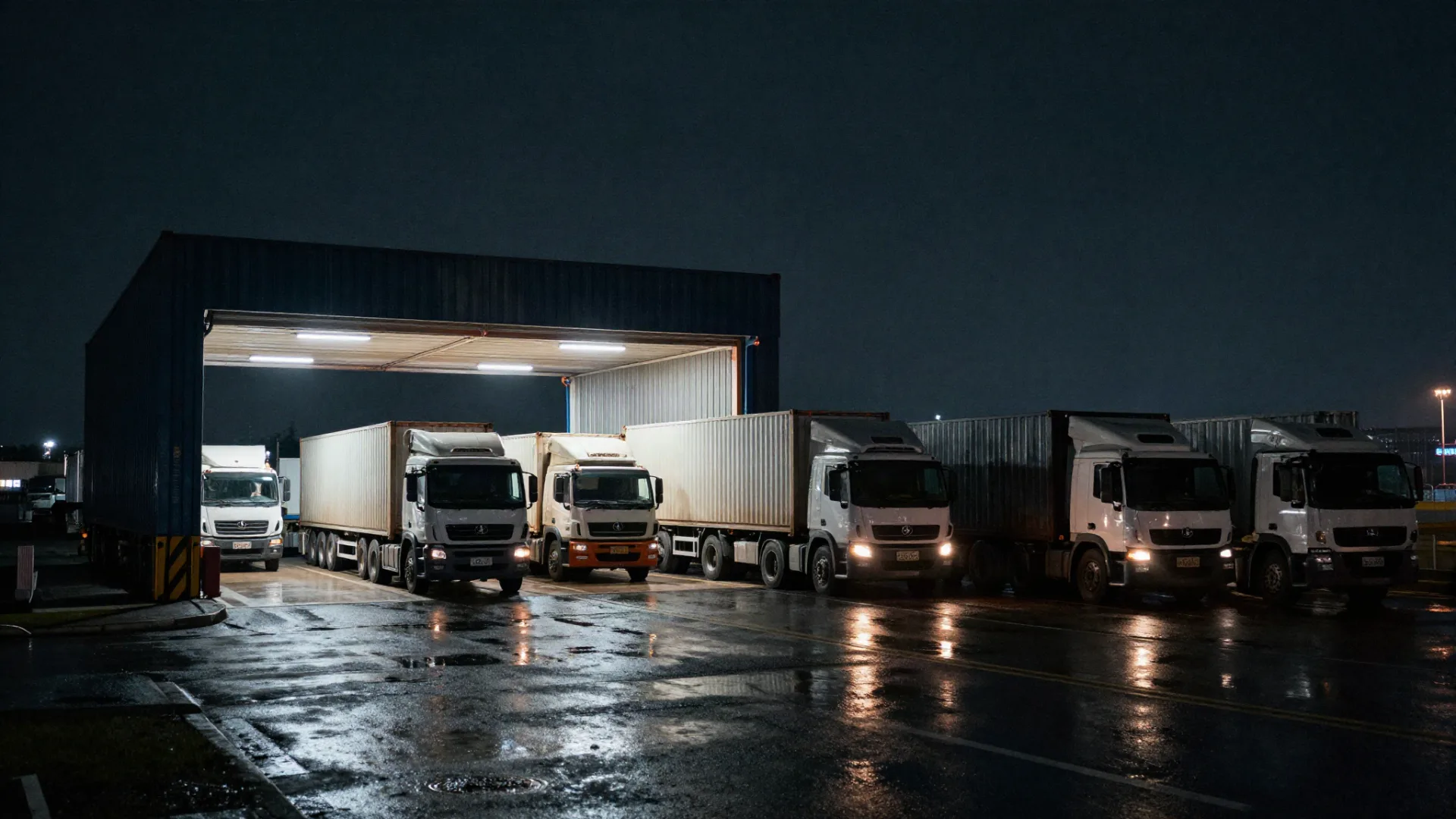
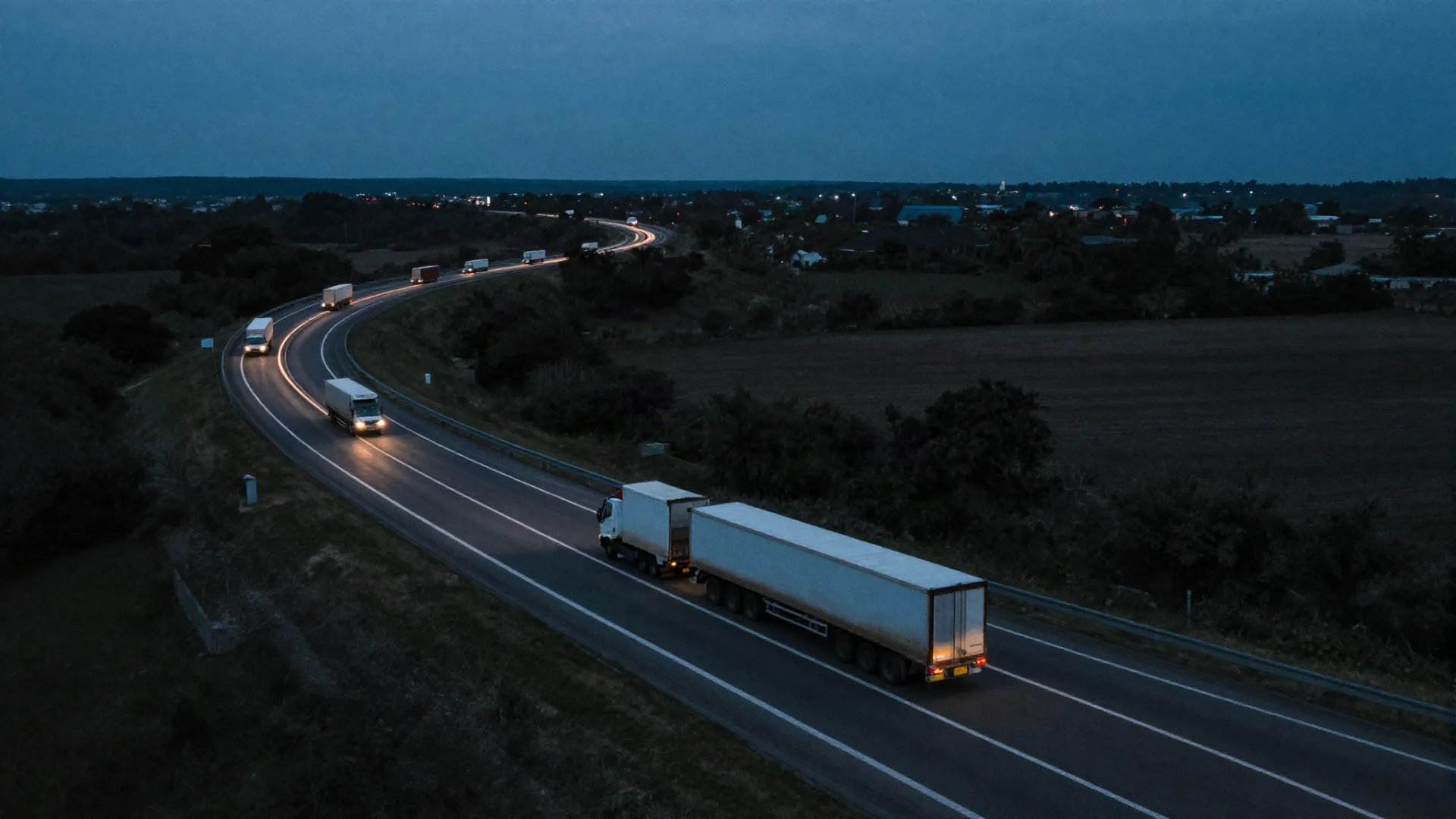
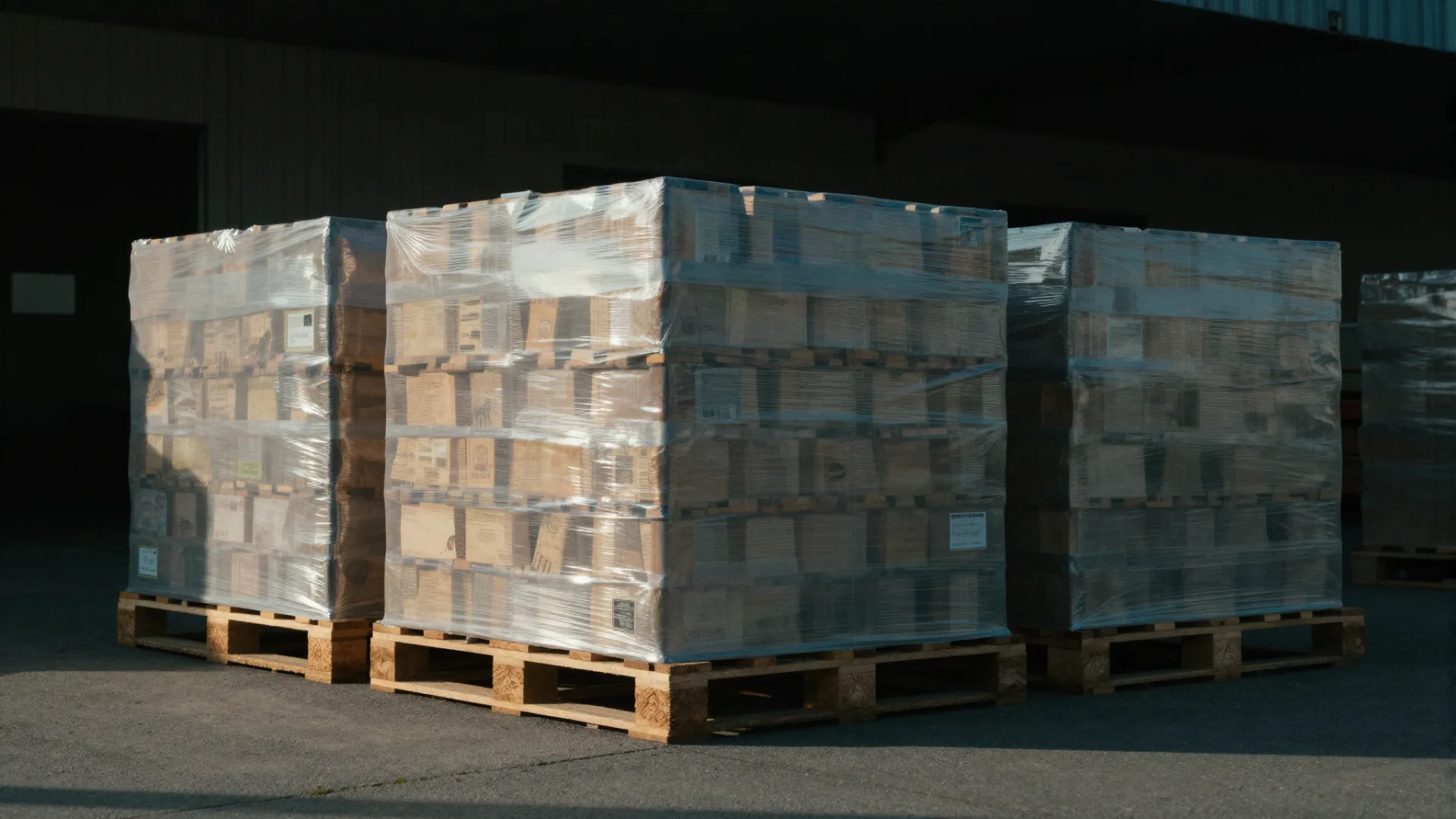
Forwarders are the crucial link between warehouse operations and transportation networks. Every day, goods worth over $50 billion move through more than 50,000 warehouses and factories in North America. Forwarders play a vital role in supply chain logistics by coordinating the movement of freight, pallets, containers, and other cargo.
The Challenges of Traditional Freight Forwarding
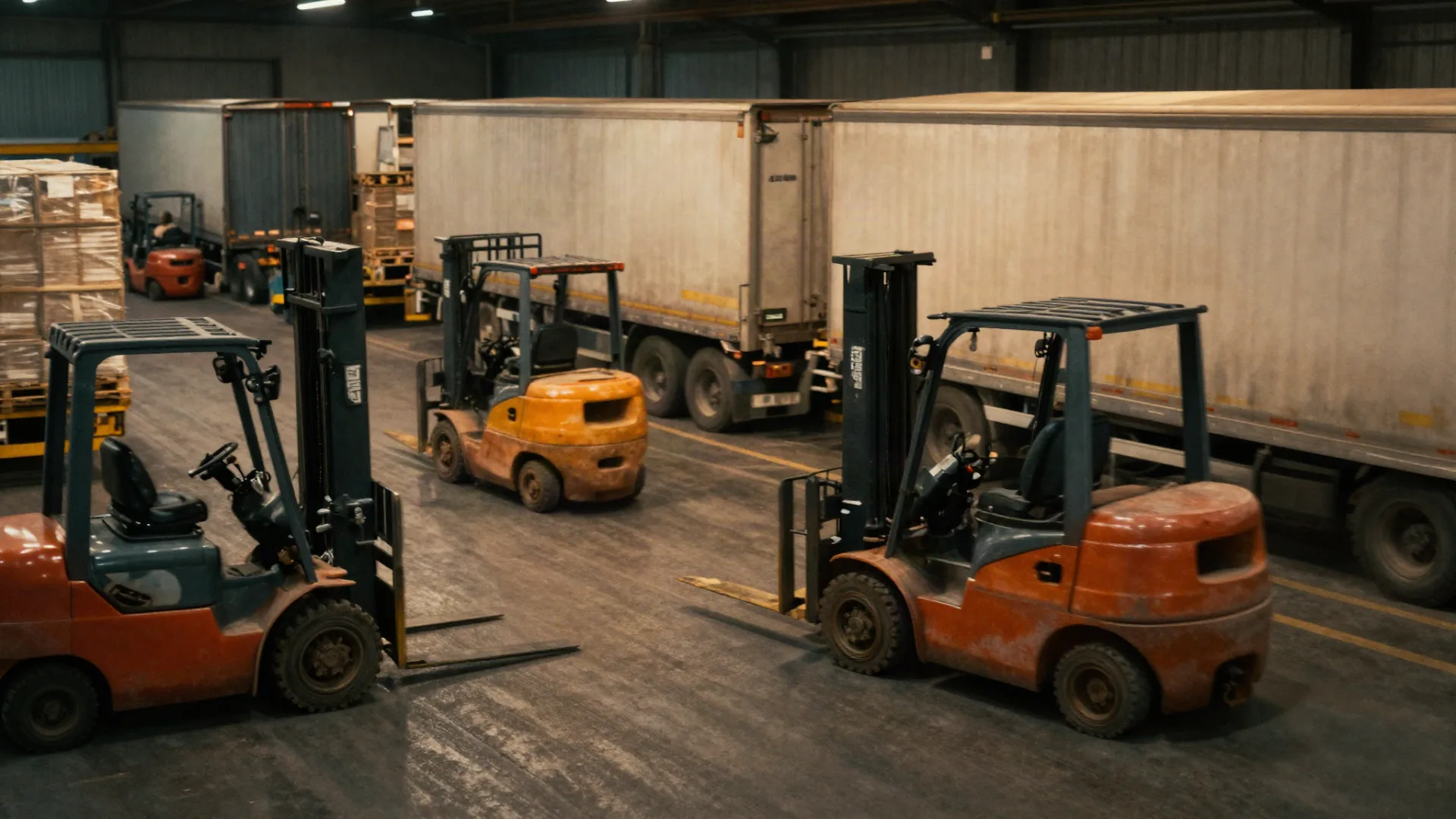
Traditional forwarding methods present significant logistical problems that affect the entire supply chain. These environments are primarily driven by manual processes, where operations staff depend on email, phone calls, and spreadsheets to monitor cargo locations and organize movements. As a result, drivers often waste time looking for pickup details or waiting at warehouses without any clear information about availability.
How Operational Inefficiencies Create Supply Chain Bottlenecks
These operational inefficiencies lead to supply chain bottlenecks that increase costs and delays throughout the network:
Managers have no real-time visibility into container locations and status due to cargo visibility gaps.
Lengthy queues and driver demurrage fees are caused by manual booking processes.
Up to 30% reduction in throughput capacity is caused by inefficient carrier utilization.
Poor communication systems exist between operations staff, drivers, and warehouse teams.
Unnecessary cargo movements and congestion occur due to suboptimal routing assignments.
The Far-Reaching Effects of Inefficiencies
The negative effects of these inefficiencies go beyond just the shipping lane. Delayed shipments can lead to unhappy customers, while increased driver demurrage fees and longer wait times raise operational costs. With logistics systems facing high demand and a 10% annual growth rate in square footage but a stagnant working-age population, these traditional methods are becoming less sustainable.
The Need for Modern Solutions
Modern supply chains require accuracy, speed, and visibility, qualities that manual freight operations cannot provide on a large scale.
Understanding Freight Forwarding Software
Freight Forwarding Software is a specialized technology platform designed to manage and improve the complex operations that take place across global shipping. It acts as a central hub, turning disorganized freight environments into efficient, data-driven operations. With it, you have complete control over every shipment, container, and movement across your network.
The main functions of the software are built around three key areas that address the operational challenges faced by traditional freight forwarding:
1. Real-Time Visibility and Tracking
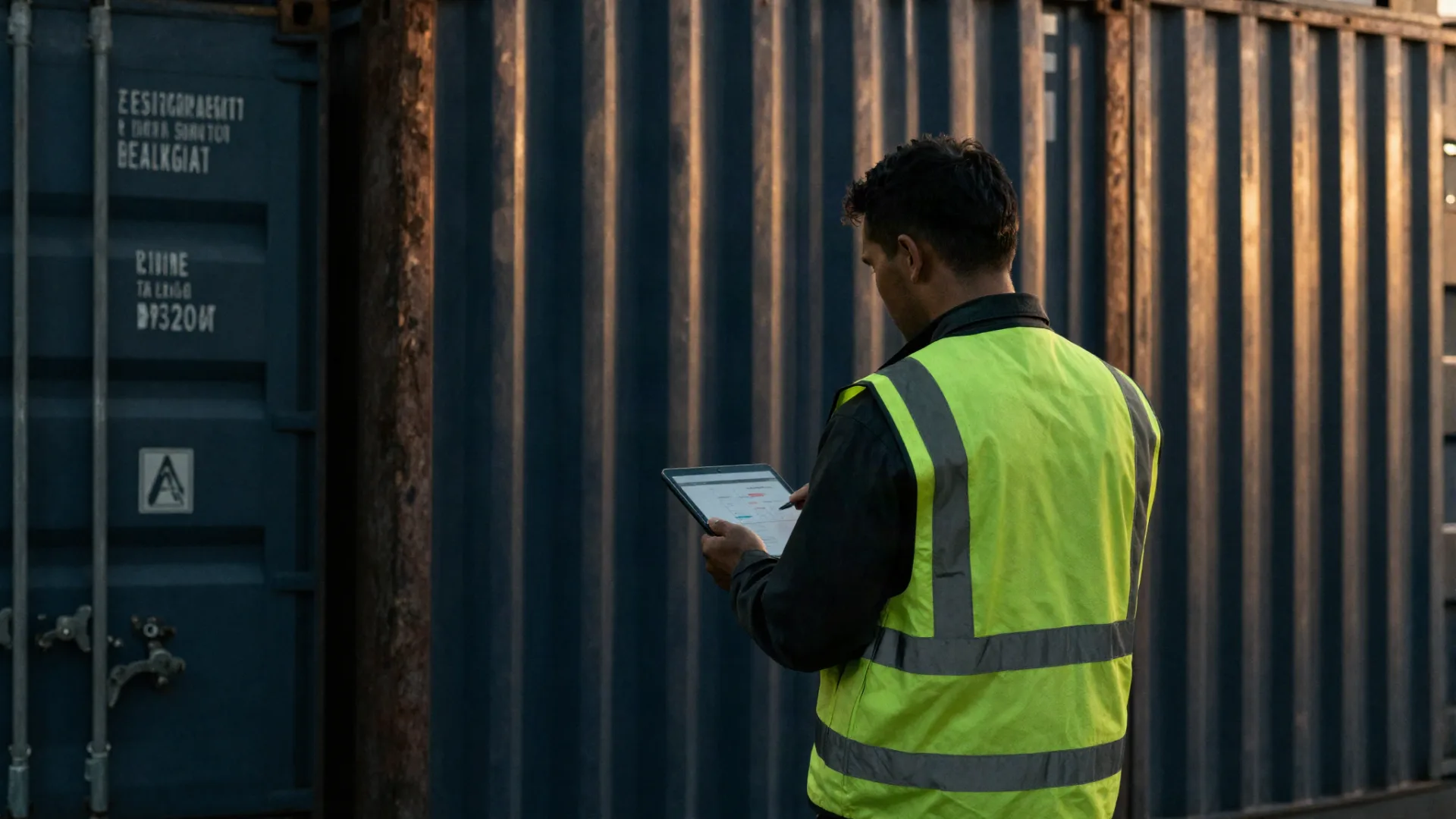
Modern forwarding features provide extensive visibility into shipments through advanced tracking capabilities. You can keep an eye on where containers are located, which delivery slots are booked, and how drivers are picking up and dropping off, all in real-time. This level of visibility eliminates the uncertainty that often comes with manual freight operations, giving you accurate information about where your cargo is and its current status. Such real-time visibility plays a crucial role in improving last-mile logistics.
2. Resource Optimization
One of the critical abilities of modern forwarding is smart resource allocation, which helps you run your operations more efficiently. The software intelligently manages which carriers are being used, optimizes how container space is utilized, and coordinates driver dispatch based on priority levels and operational constraints. This means you'll benefit from automated decision-making that takes multiple factors into account at once, something that's difficult to do manually. Furthermore, with the integration of IoT technologies, resource optimization can be taken to an entirely new level.
3. System Integration Capabilities
Forwarding platforms excel at connecting different systems together, specifically Enterprise Resource Planning (ERP) and Transportation Management Systems (TMS). This integration allows for a smooth flow of data between these systems, ensuring that inbound and outbound operations are synchronized. As a result, warehouse teams will always know when cargo is arriving, and transportation coordinators will be aware of carrier availability.
Advanced forwarding solutions stand out from the rest by using AI-powered automation, live tracking technology, and customizable workflow engines. These features allow you to tailor your operations based on specific business rules while still being able to scale across multiple countries and lanes. The most advanced platforms even use machine learning algorithms to continuously improve freight operations based on past patterns and real-time conditions.
In addition to these functionalities, implementing a robust forwarding platform can also greatly enhance your overall supply chain management, making it more streamlined and efficient.
Key Benefits of Implementing Digital Forwarding in Modern Supply Chains
The implementation of forwarding benefits extends far beyond simple operational improvements, creating measurable impacts across multiple dimensions of supply chain efficiency. Organizations deploying advanced freight solutions consistently report dramatic improvements in their core operational metrics.
Increased On-Time Delivery and Faster Turnaround Times
Modern freight platforms optimize every aspect of shipping, from booking to delivery. You can expect on-time improvements of 50% or more when implementing AI-powered solutions that automate customs processes and orchestrate shipments. These systems eliminate bottlenecks by intelligently routing cargo, predicting carrier availability, and coordinating with warehouse operations to minimize wait times.
The automation of booking and customs processes reduces driver demurrage fees by up to 12%, while intelligent scheduling ensures optimal resource allocation throughout peak and off-peak periods.
Enhanced Cargo Utilization and Reduced Congestion
Strategic routing assignments based on load attributes and delivery schedules maximize container space efficiency. Advanced forwarding platforms reduce cargo search time by 90% through real-time tracking and automated location management. You gain complete visibility into container locations, contents, and status, enabling proactive decision-making that prevents congestion before it occurs.
Smart carrier management ensures optimal utilization of every truck and vessel slot, while predictive analytics help you anticipate capacity constraints and adjust operations accordingly.
Improved Safety and Regulatory Compliance
Automated monitoring systems continuously track shipments, ensuring compliance with safety protocols and regulatory standards. Live tracking technology should provide 99%+ data accuracy in monitoring vehicle movements, detecting unauthorized access, and identifying potential safety hazards in real-time.
These systems maintain comprehensive audit trails, simplify regulatory reporting, and reduce liability risks through proactive safety management and incident prevention capabilities. Furthermore, the integration of AI in these processes is proving invaluable in streamlining supply chain regulatory compliance, enhancing overall operational efficiency.
Corvane Cargo's Innovative Approach to Freight Digitization
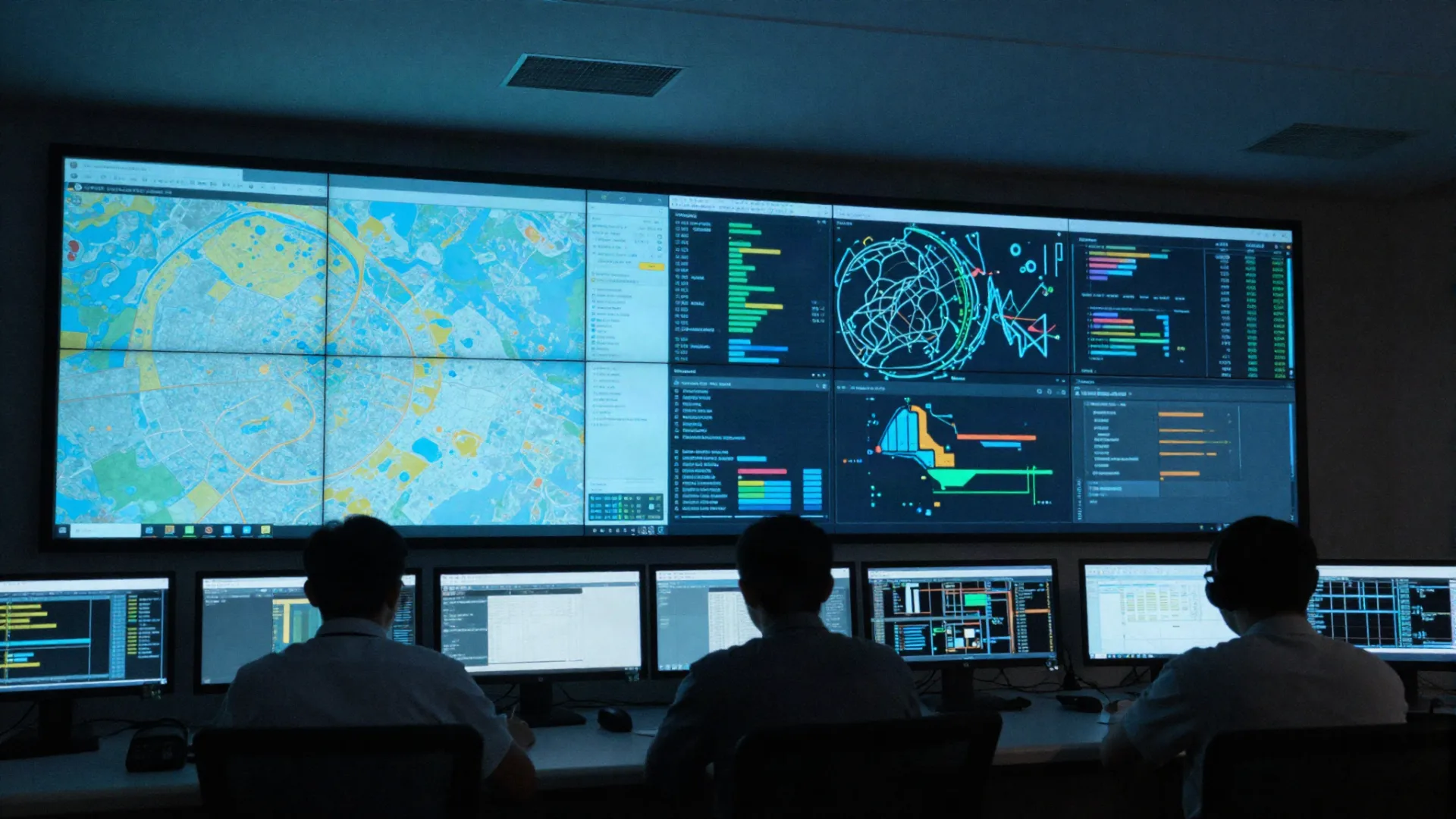
Corvane Cargo has developed a revolutionary solution to address the critical gap in freight digitization through their proprietary Corvane Control Tower. This AI-native platform represents a fundamental shift from traditional forwarding approaches, offering an end-to-end execution platform that bridges the operational and data gaps between carrier and warehouse systems.
The Corvane Control Tower combines multiple cutting-edge technologies into a unified, scalable solution. At its core lies proprietary AI tracking technology that delivers 99.5% data accuracy through live tracking capabilities. This technology enables real-time visibility and automated decision-making processes that were previously impossible with manual freight operations.
Core Technology Components
Corvane's platform integrates several advanced technological elements:
AI Tracking Technology: Live tracking systems that provide continuous monitoring and data collection across all freight activities
Data Lakes: Comprehensive analytics infrastructure that processes vast amounts of operational data for intelligent decision-making
Corvane Book & Track: AI and live tracking-powered workflows that automate customs processes and orchestrate shipments
Advanced Cargo Solutions: Specialized applications for ISF compliance, security monitoring, and damage detection
The Corvane Control TowerTM architecture enables rapid deployment through their Tracker-in-a-Box hardware kit, which can be installed in hours without requiring extensive infrastructure modifications. This modular, plug-and-play approach allows organizations to implement freight digitization with minimal IT overhead and operational disruption.
Corvane's solution delivers measurable results, including 50%+ on-time improvements through Book & Track automation and 90% reduction in cargo search time. The platform's cloud-native design ensures scalability across multiple lanes while providing single-pane-of-glass visibility for comprehensive network management.
Overcoming Barriers to Freight Technology Adoption
Freight tech challenges present significant hurdles for organizations seeking to modernize their operations. You'll encounter resistance from employees who have relied on manual processes for years, viewing technology as a threat to their established routines and job security. This human element represents one of the most complex aspects of change management logistics.
Legacy system compatibility creates another substantial barrier. Your existing ERP and TMS investments may seem incompatible with new freight solutions, leading to concerns about data silos and integration costs. Many organizations worry about disrupting current operations during implementation phases.
Budget constraints often limit technology adoption, particularly when decision-makers struggle to quantify ROI from freight digitization. You might face skepticism from leadership who view freight operations as secondary to warehouse or manufacturing investments.
Technical infrastructure limitations compound these challenges. Inadequate connectivity, data quality issues, or carrier feed problems can make advanced solutions like AI tracking technology seem impractical. Your IT teams may lack experience with freight-specific technologies, creating implementation anxiety.
Training and skill gaps represent another significant obstacle. Your workforce may require extensive education on new systems, creating temporary productivity dips that concern operational managers. The learning curve associated with sophisticated platforms can feel overwhelming.
Modern solutions address these barriers through plug-and-play deployment models Corvane's approach eliminates heavy infrastructure requirements and reduces IT complexity, while flexible integration layers ensure seamless connectivity with existing systems. Rapid deployment timelines and proven ROI models help overcome budget hesitations, making freight digitization more accessible than traditional implementations suggested.
Future Trends Shaping Freight Technology
The future of freight forwarding is being transformed by advanced technologies that promise to change how logistics operations work. The most significant advancement is AI in freight networks, which uses machine learning algorithms for predictive analytics. This allows us to forecast busy periods, allocate resources efficiently, and prevent bottlenecks before they happen.
1. Robotics Integration
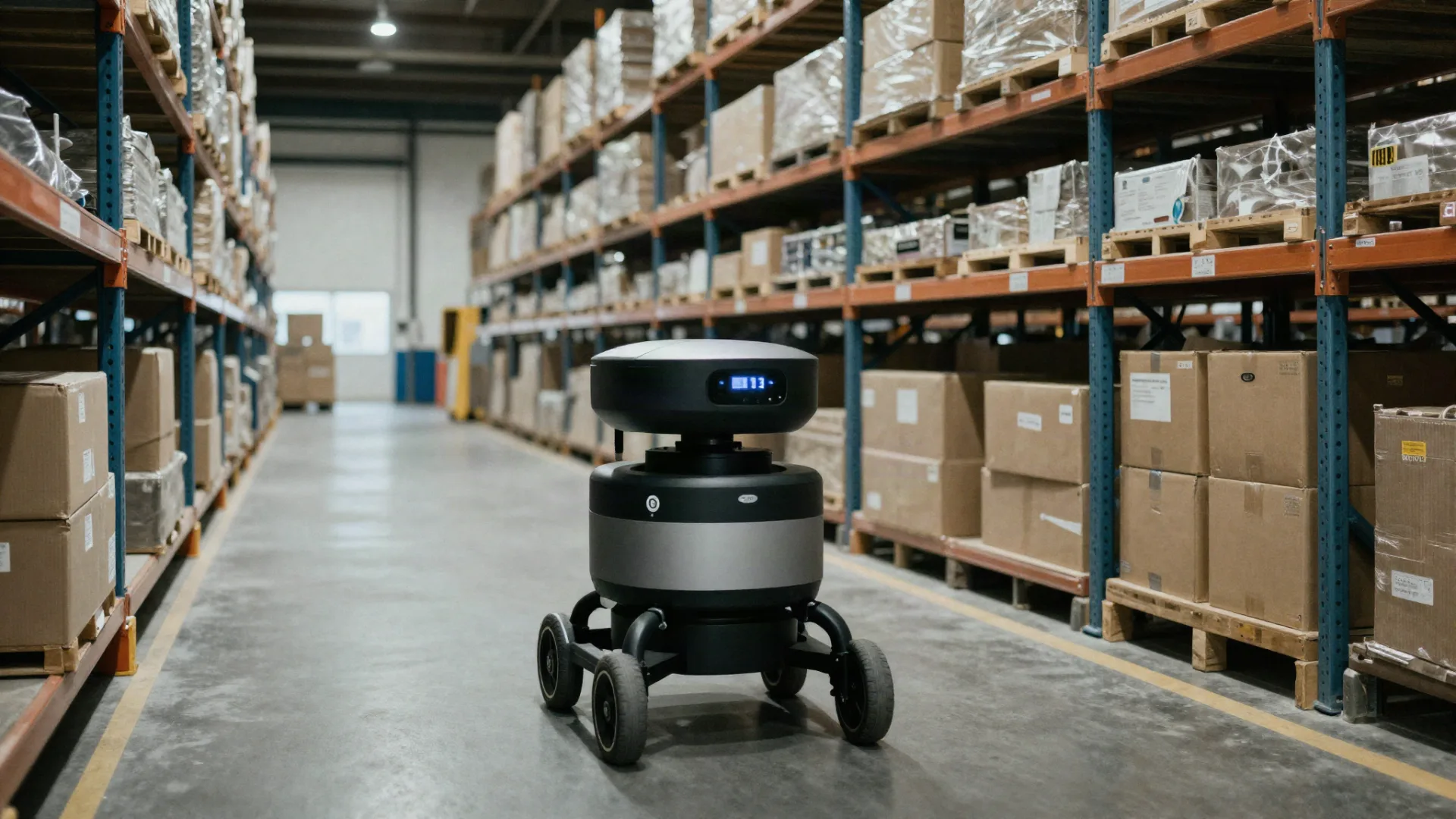
Robotics integration is improving operational efficiency in warehouse environments. Here's how:
Autonomous trucks and robotic loaders are taking over manual handling tasks.
Automated guided vehicles (AGVs) are handling pallet movements with precision that human operators can't match.
These systems will be working around the clock, increasing productivity while lowering labor costs and safety incidents.
2. Decision Intelligence Capabilities
Decision intelligence capabilities powered by machine learning are creating self-optimizing supply chains that learn from historical patterns and real-time data. These systems analyze thousands of variables simultaneously - from weather conditions to driver schedules - making split-second decisions that maximize efficiency. Advanced forwarding platforms now incorporate live tracking technology that provides near-perfect data accuracy, enabling automated processes that were previously impossible.
3. Hyper-Connected Freight Ecosystems
The combination of IoT sensors, edge computing, and cloud infrastructure is forming highly connected freight ecosystems. Here's what you can expect:
Smart sensors with AI tracking technology can detect damage, verify compliance, and track cargo without human involvement.
These systems work smoothly with existing ERP and TMS platforms, creating unified data lakes that drive intelligent automation.
4. Predictive Maintenance Algorithms
Predictive maintenance algorithms are extending equipment lifecycles by identifying potential failures before they occur. You can expect reduced downtime and optimized maintenance schedules that align with operational demands rather than arbitrary time intervals.
Conclusion
The freight transformation revolution is a critical turning point for modern supply chains. Organizations that embrace advanced forwarding platforms position themselves at the forefront of logistics innovation, gaining competitive advantages through enhanced visibility, automated processes, and data-driven decision making.
You cannot afford to let your freight remain a technological black hole while the rest of your supply chain operates with cutting-edge systems. The gap between carrier and warehouse digitization demands immediate attention, and the right forwarding solution bridges this operational bottleneck effectively.
The Corvane Control Tower exemplifies the next generation of freight digitization technology. Our AI-native platform delivers:
Rapid ROI in under 5 months
99.5% data accuracy through proprietary live tracking
50%+ on-time improvements via Book & Track automation
Scalable deployment across freight networks
The logistics landscape continues evolving at breakneck speed. Your freight operations must evolve alongside these changes to maintain operational excellence and customer satisfaction. Consider exploring Corvane Cargo's innovative approach to freight digitization as you plan your next strategic technology investment.