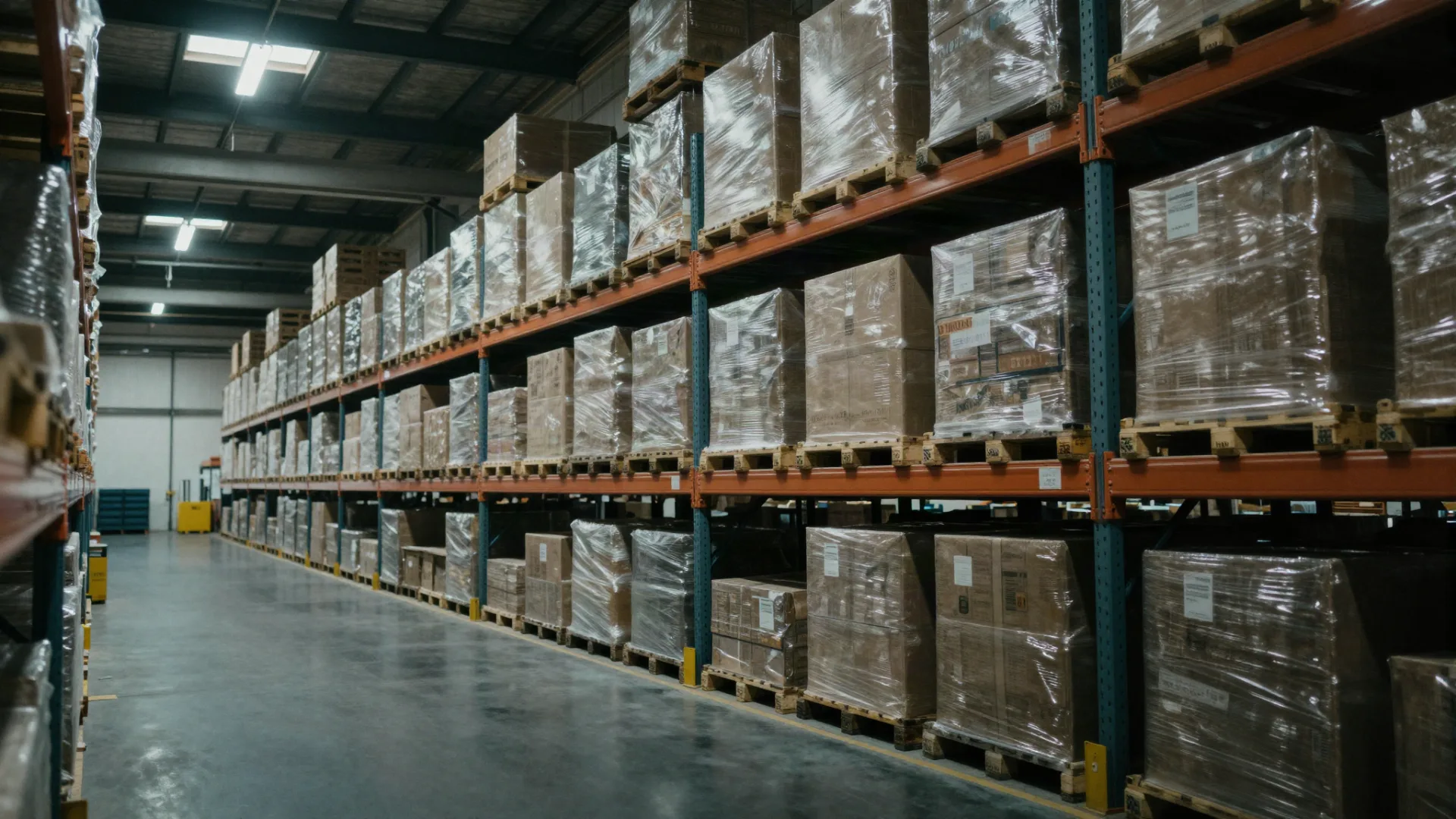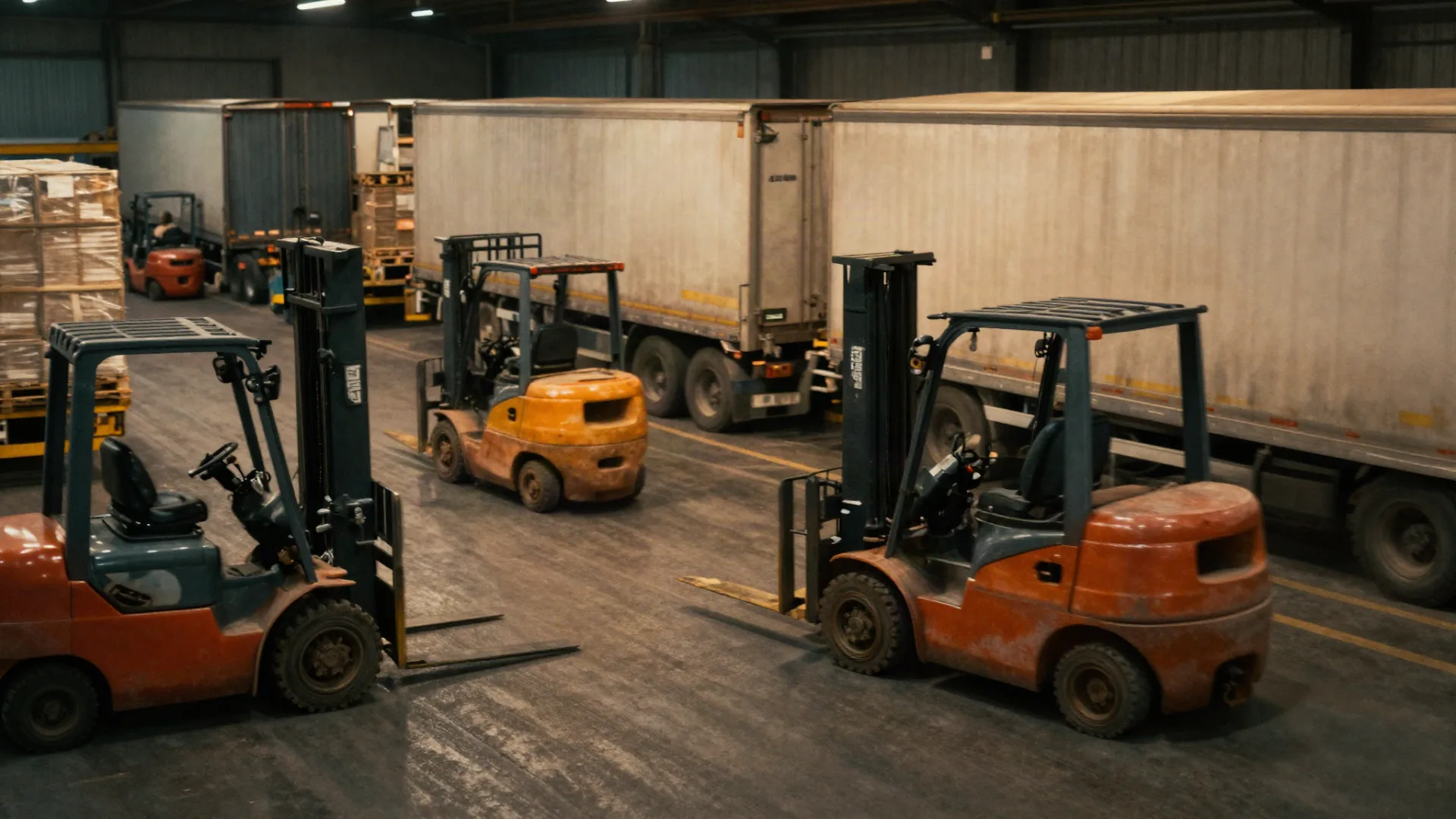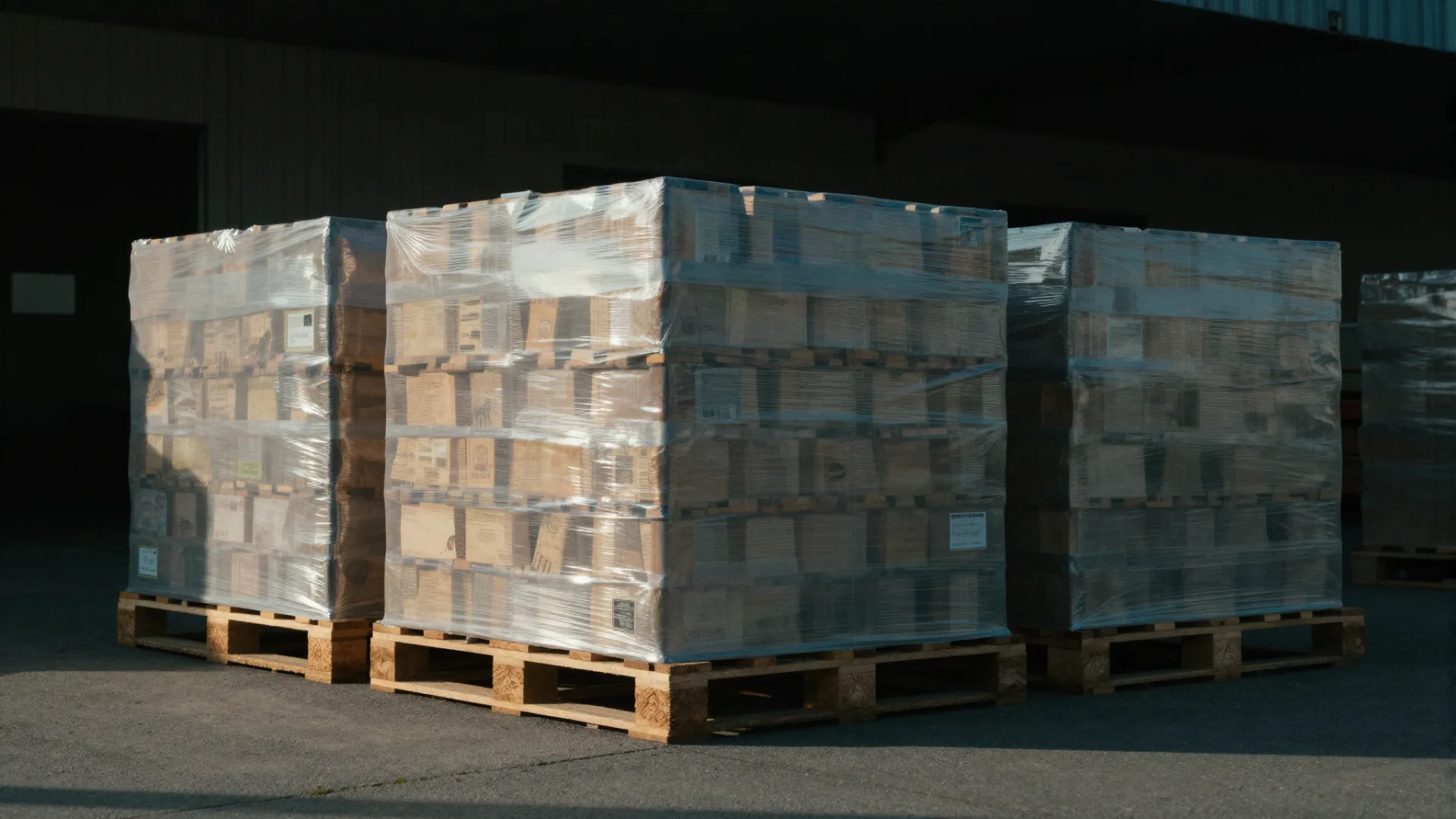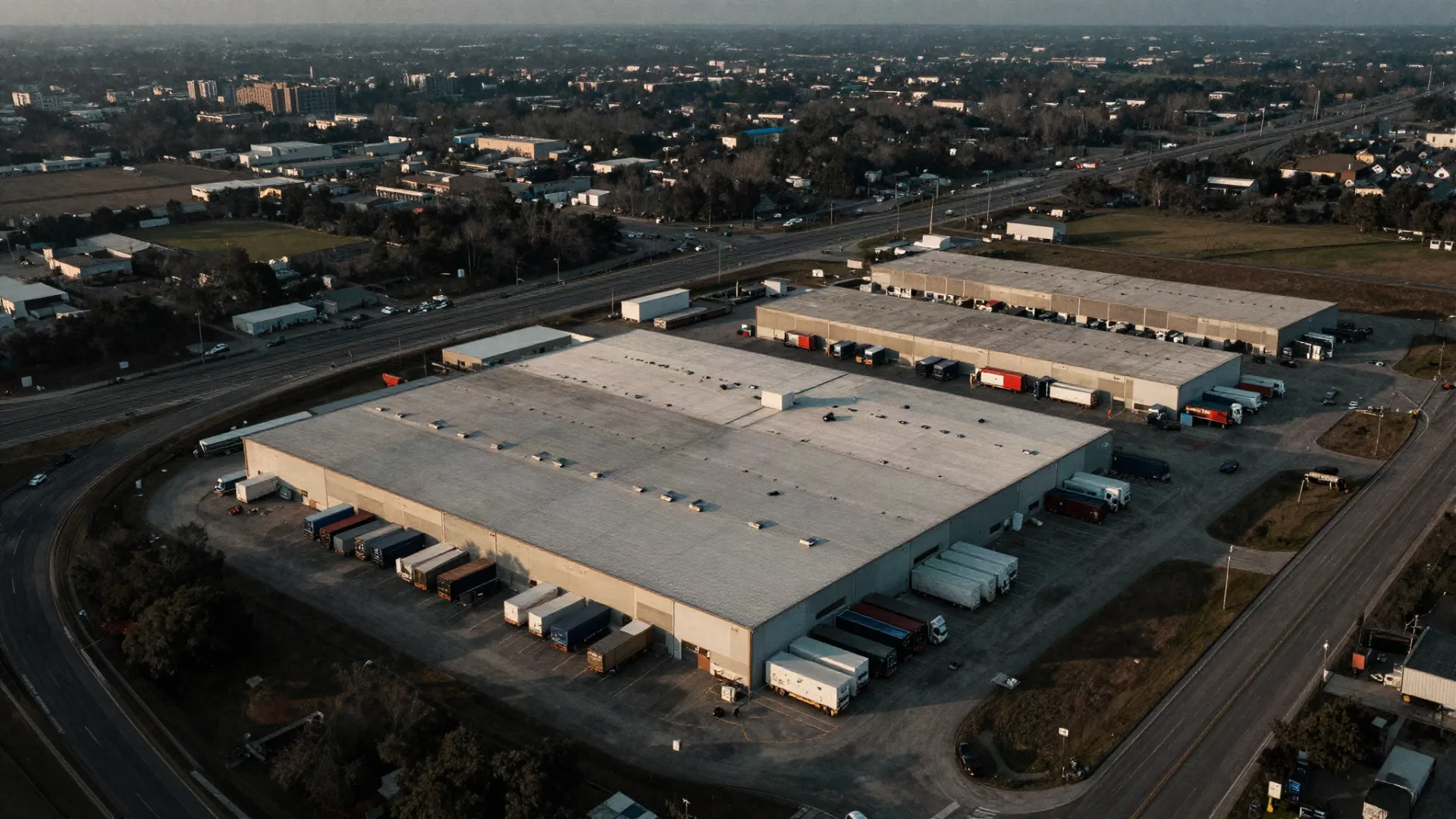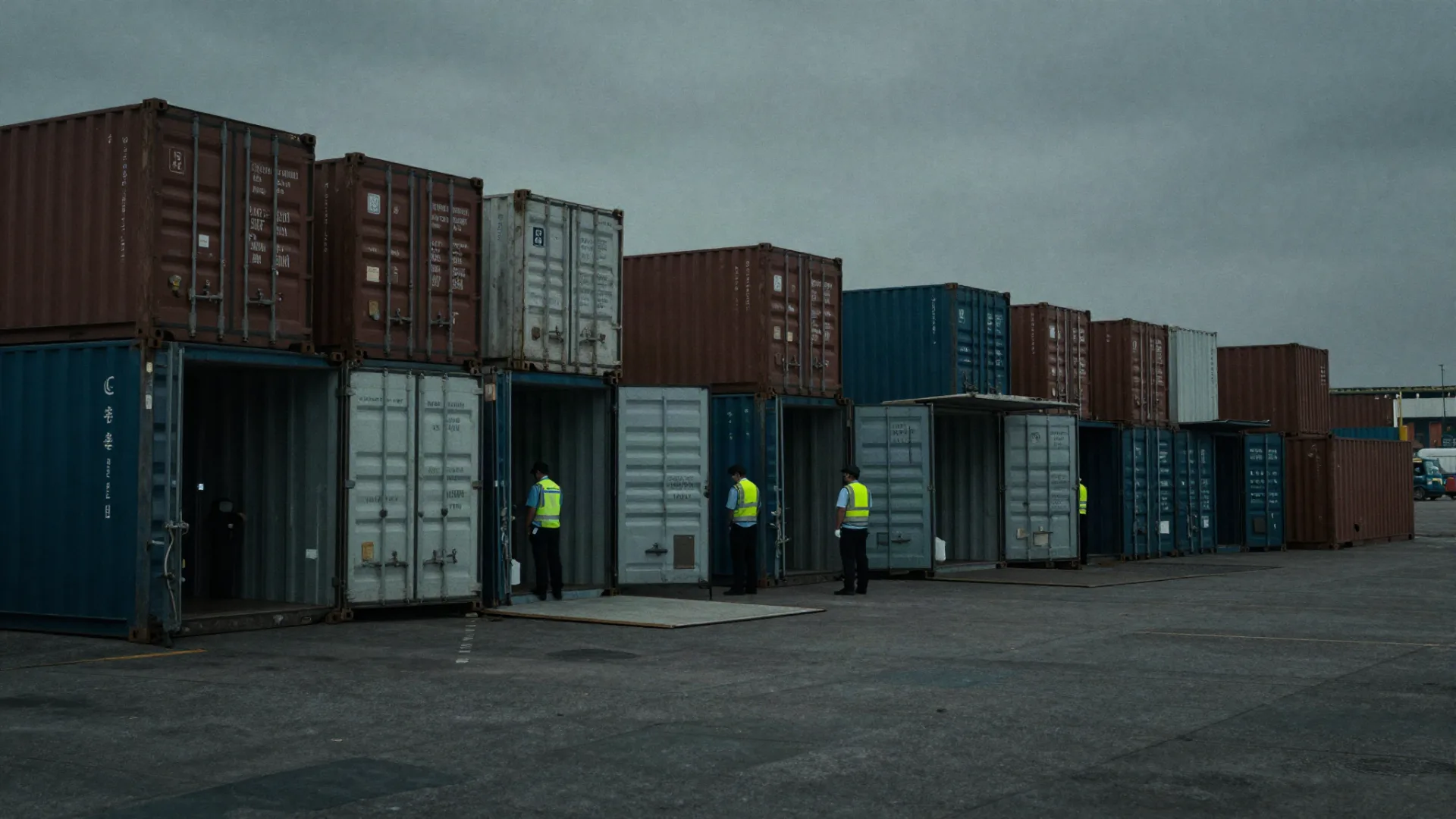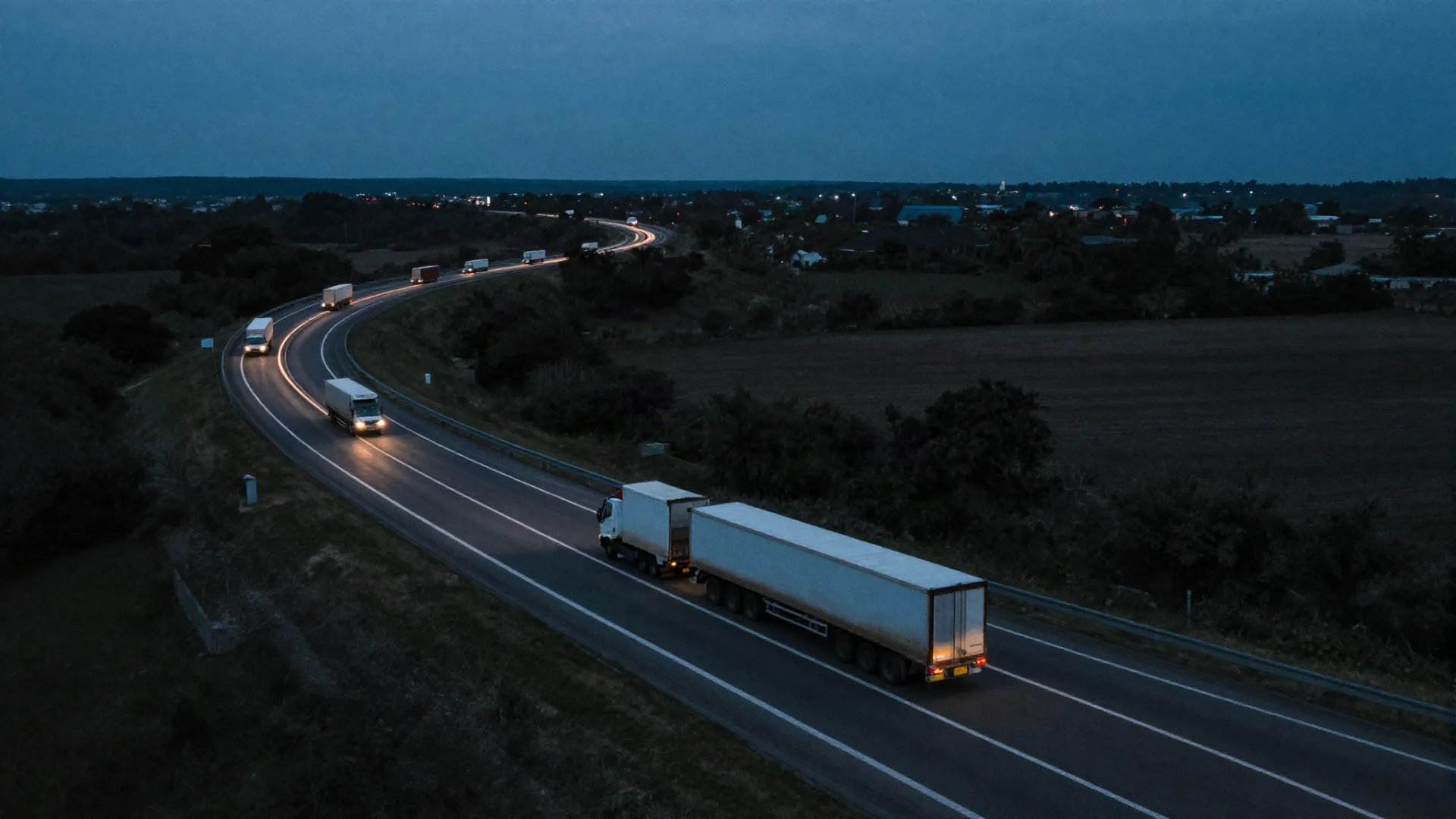

Freight booking control is a crucial link between carrier networks and warehouse activities. It involves coordinating the movement of containers, drivers, and cargo across the often-neglected stretch between port and facility. You can think of it as the logistics version of air traffic control, ensuring smooth flow, precise timing, and strategic positioning of cargo to avoid delays and optimize efficiency.
Effective freight operations are more important than just booking trucks. Every day, over $50 billion worth of goods pass through more than 50,000 warehouses and factories in North America. However, the stretch between port and warehouse remains what industry experts call a "data and technology black hole." While Warehouse Management Systems (WMS) have digitized indoor processes and Transportation Management Systems (TMS) have improved highway logistics, the space between these two critical points still relies on outdated manual methods.
At the heart of this operation is pickup scheduling, which determines when cargo arrives, how long it waits, and how quickly it can be processed. Poor scheduling creates a chain reaction: port congestion leads to demurrage fees, delayed shipments affect customer satisfaction, and inefficient use of space reduces your network's capacity.
By implementing efficient freight booking practices, you can significantly improve the performance of your warehouse and distribution center. What has traditionally been an operational bottleneck can now become a competitive advantage that delivers measurable returns on investment (ROI) and operational excellence.
Understanding the Challenges Faced in Freight Booking Control
Modern logistics operations face a complex web of container visibility challenges that create significant operational bottlenecks. You're dealing with containers that essentially disappear into a data black hole once they leave the port. Without real-time tracking capabilities, your team spends countless hours manually searching for specific shipments, leading to frustrated drivers and delayed deliveries.
Process misalignment between transportation schedules and warehouse operations creates another layer of complexity. Your inbound trucks arrive according to transportation optimization algorithms, while your warehouse operates on completely different scheduling priorities. This disconnect results in containers sitting idle for hours while loading bays remain empty, or conversely, multiple trucks competing for limited warehouse space simultaneously.
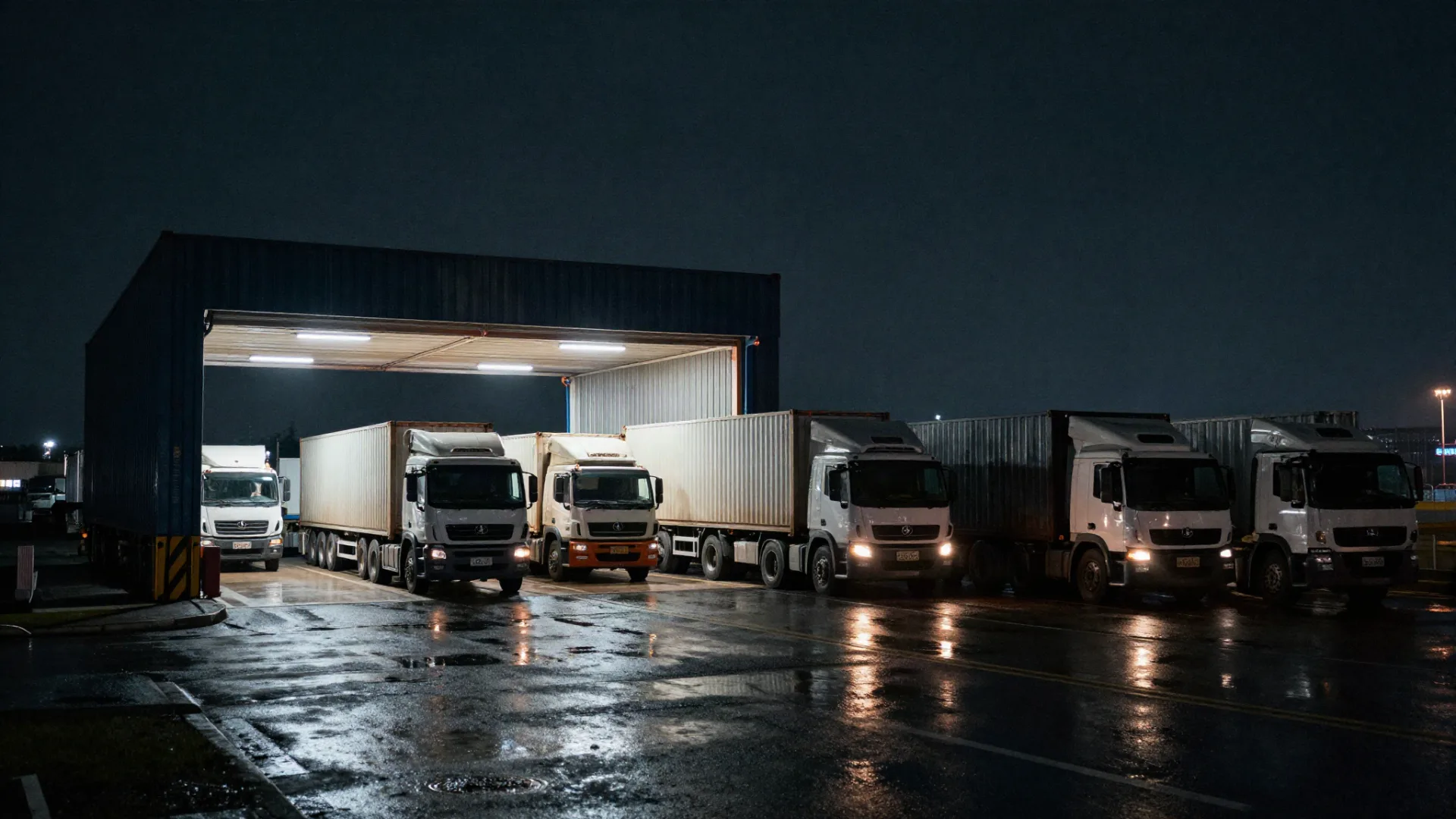
Port congestion compounds these issues exponentially. Consider a major retail distribution center during peak season: drivers queue for 30-45 minutes just to check in, only to discover their assigned loading bay won't be available for another two hours. The ripple effect impacts driver hours-of-service regulations, increases demurrage fees, and creates costly delays throughout your supply chain.
A real-world example illustrates these challenges perfectly. A leading 3PL operator recently reported that their largest facility handled 200+ containers daily but could only locate specific shipments within 15 minutes just 60% of the time. Their dispatch supervisors spent 40% of their shifts coordinating cargo movements manually, while drivers experienced average wait times exceeding 90 minutes during peak periods.
These operational inefficiencies translate directly into measurable costs: increased labor expenses, demurrage fees averaging $75-100 per incident, and customer service impacts that threaten long-term partnerships. The cumulative effect creates a significant drag on your network's throughput capacity and profitability.
The Transformative Role of Smart Control Tower Platforms
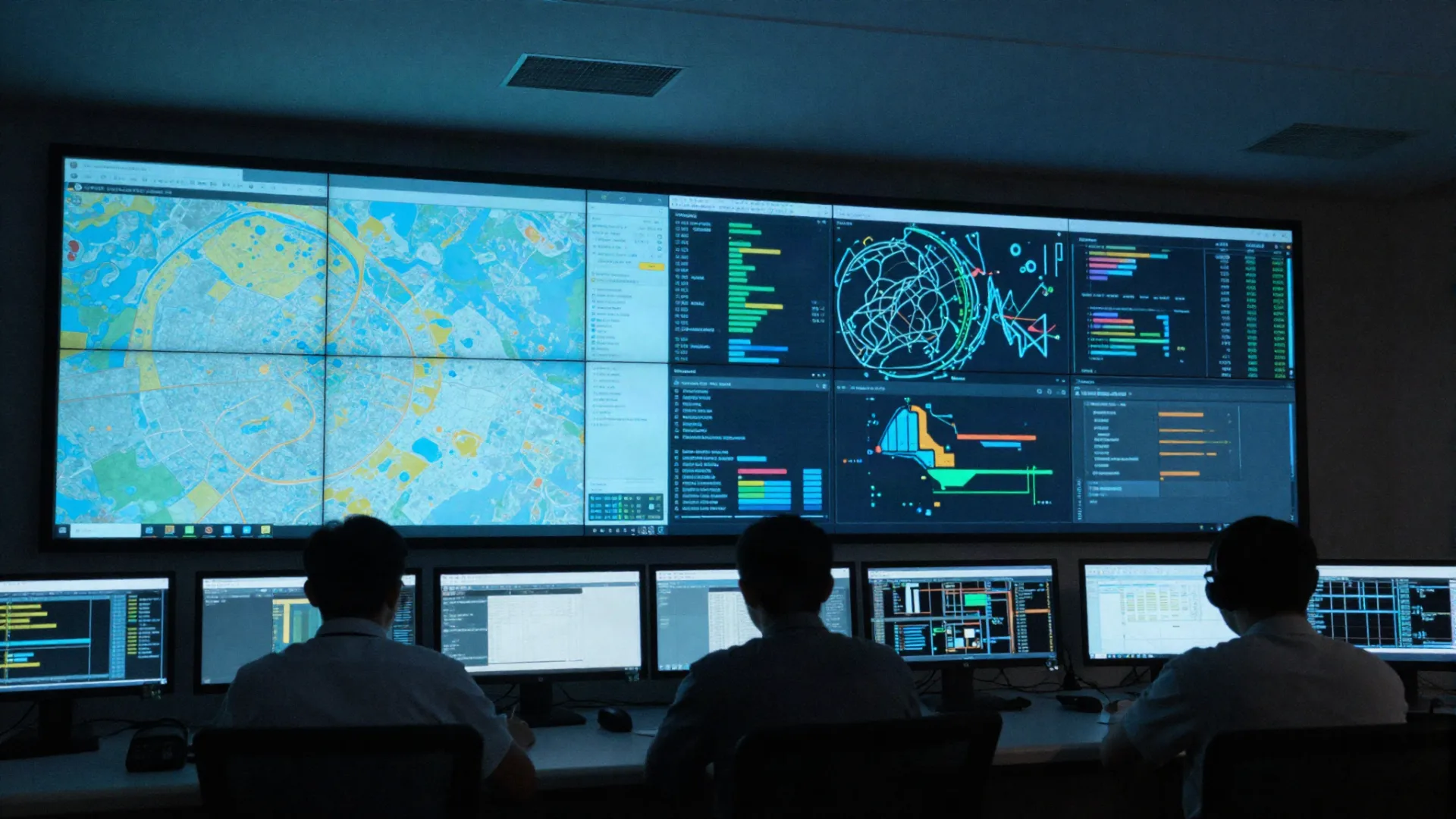
A Control Tower is a software solution that helps manage and optimize freight operations. It replaces manual processes with automated, data-driven workflows, making it easier for logistics managers to oversee activities such as container movements, carrier bookings, and resource allocation.
How Smart Control Towers Work
The control tower serves as a central hub for all freight activities, gathering information from various sources and providing real-time visibility into operations. This allows logistics managers to make informed decisions, anticipate issues, and improve overall efficiency.
Benefits of Using a Smart Control Tower
The benefits of implementing a smart control tower go beyond just tracking containers. Here are some key advantages:
Elimination of Guesswork: Traditional freight operations often rely on estimates and assumptions. With a control tower in place, you have access to accurate data on every shipment's location, status, and movement history.
Proactive Decision-Making: Instead of waiting for problems to arise and then reacting to them, a control tower empowers you to take proactive measures. By analyzing data and identifying patterns, you can address potential issues before they become major disruptions.
Improved Efficiency: Manual processes are prone to errors and delays. By automating tasks such as carrier bookings and load status updates, a control tower streamlines operations and reduces the risk of mistakes.
Key Features to Look for in a Smart Control Tower
When evaluating different control tower options available in the market, it's important to consider the following features:
Real-Time Visibility Components
Live container tracking with GPS-enabled location updates
Carrier capacity monitoring and availability alerts
Driver pickup and delivery confirmation with timestamp accuracy
Load status updates throughout the shipment lifecycle
Control Tower Automation Capabilities
Automated carrier assignments based on load priority and type
Dynamic linehaul orchestration reducing manual coordination
Intelligent warehouse slot allocation optimizing space utilization
Automated notifications and alerts for exception handling
Integration Architecture
Seamless connectivity with existing WMS (Warehouse Management System) and TMS (Transportation Management System) platforms
API-driven data exchange ensuring information consistency
ERP (Enterprise Resource Planning) system integration for complete supply chain visibility
Third-party logistics provider connectivity for extended networks
The Power of Real-Time Visibility
One of the key advantages of smart control towers is their ability to process large amounts of data in real-time. This means that even if you have multiple containers moving in different directions at the same time, the system can still track each one accurately.
Advanced solutions use AI-powered live tracking technology to achieve high levels of data accuracy. This means that container movements are automatically captured without any manual input required.
Transforming Freight Operations with Smart Control Towers
Smart control towers have the potential to significantly improve freight operations. By using intelligent workflow automation techniques such as machine learning algorithms or predictive analytics models, these systems can optimize various aspects of your operation.
For example:
Throughput Improvements: By analyzing historical data on container arrivals and departures, smart control towers can identify patterns in peak hours or busy seasons. This information can then be used to allocate resources more effectively during those times.
Bottleneck Reduction: If certain lanes within your network consistently experience delays due to congestion or inefficient processes, smart control towers can help identify root causes through data analysis.
Demurrage Fee Reduction: Demurrage fees occur when containers are held up longer than necessary at ports or terminals due to inefficiencies in scheduling or unloading and loading processes.
Leveraging Technology for Enhanced Freight Efficiency
AI Tracking Technology: Revolutionizing Freight Booking Control
AI tracking technology is a game-changing advancement in freight booking control, providing unprecedented visibility and automation capabilities. Live tracking systems can achieve 99.5% data accuracy while automatically following container movements, identifying cargo locations, and monitoring carrier capacity in real-time. This means you can now have instant insights into freight operations without any manual effort, eliminating the guesswork that often troubled logistics operations.
Dynamic Pickup Scheduling: Streamlining Carrier Interactions
Dynamic pickup scheduling is transforming the way carriers interact with your facility. With smart portals, drivers can now book their pickup times based on real-time capacity, reducing port congestion by up to 40%. These systems automatically balance pickup slots throughout operational hours, preventing the clustering that creates bottlenecks during peak periods.
Analytics in Freight Forwarding: Uncovering Hidden Patterns
Analytics in freight forwarding is unlocking patterns that were previously hidden within your operational data. Advanced platforms are now able to process thousands of data points to identify optimization opportunities, such as optimal routing and predictive maintenance scheduling. This means you can now anticipate problems before they disrupt your operations.
Real-World Success Stories
Here are some real-world success stories that highlight the impact of these technologies:
Case Study 1: Major 3PL Operator
A major 3PL operator implemented AI-powered freight solutions across their network and achieved:
50% improvement in container turnaround times
90% reduction in shipment search time
12% decrease in demurrage fees
Complete elimination of manual status checks
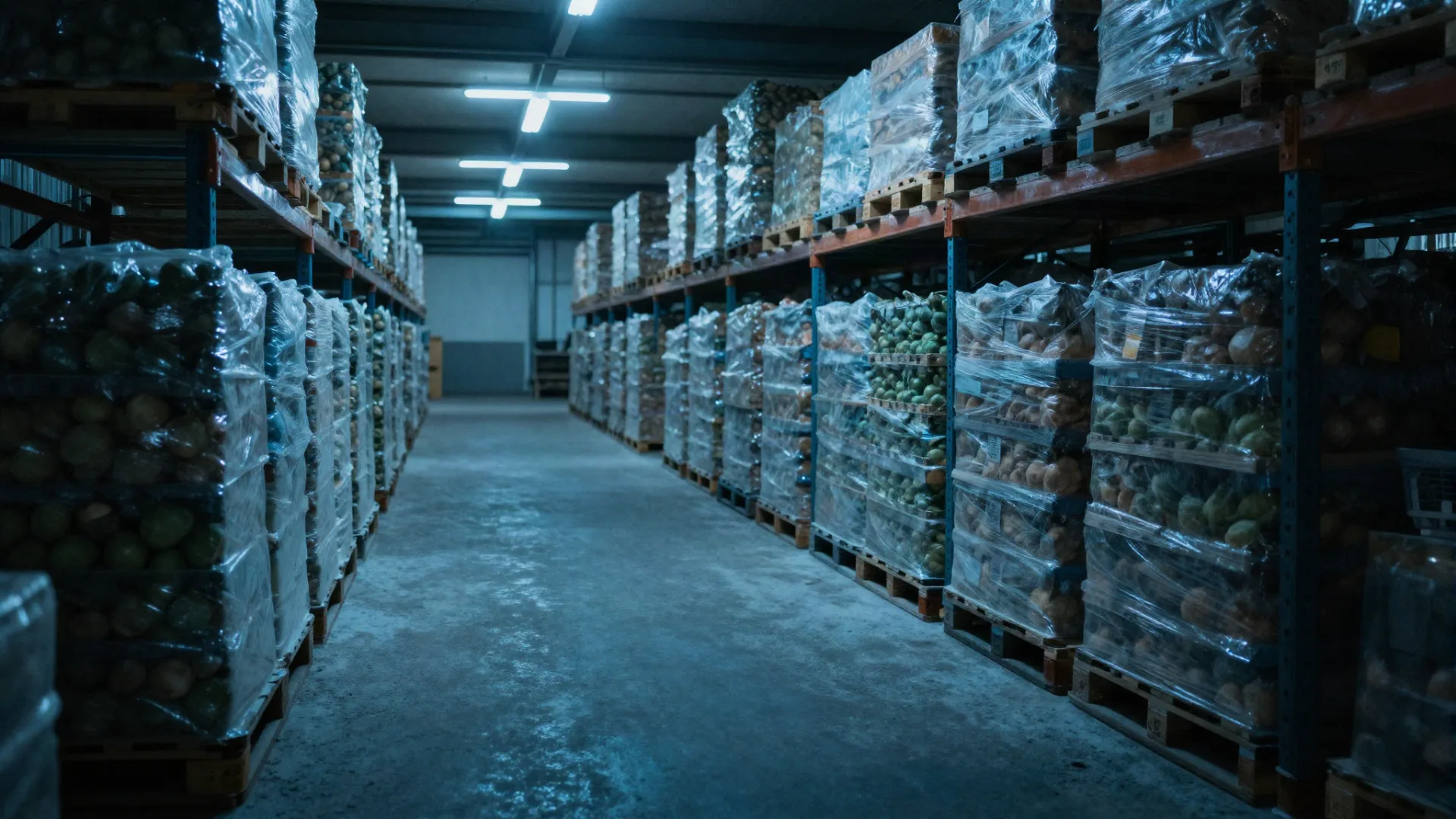
Case Study 2: Cold Chain Company
A cold chain company deployed live tracking sensors for damage detection and experienced the following benefits:
The system automatically flags shipments requiring inspection
Damaged goods are prevented from entering the supply chain
Manual inspection time is reduced by 75%
The Synergy of Technologies
These technologies work together - AI tracking provides real-time data to analytics engines, which then inform dynamic scheduling algorithms. This creates a self-optimizing freight ecosystem that continuously improves performance.
Measuring Success: Key Performance Indicators (KPIs) for Freight Booking Control
Effective freight forwarding KPIs are essential for improving your logistics operations and identifying areas that need immediate attention. It's important to track specific metrics that have a direct impact on your profits and operational efficiency.
Critical Performance Metrics to Monitor:
Average Transit Time: Measures the total time cargo spends in your network from pickup to delivery.
Container Turnaround Time: Tracks how quickly containers move through loading and unloading processes.
Customs Wait Times: Monitors delays at borders and ports that create bottlenecks.
Carrier Capacity Utilization: Evaluates how efficiently you're using available carrier capacity.
Demurrage Fees: Quantifies costs associated with extended container wait times.
Modern freight platforms are changing the way you gather and analyze these throughput metrics. With the help of AI tracking technology, you can now capture data in real-time, eliminating errors caused by manual tracking and gaining instant visibility into performance trends. This allows you to identify patterns that lead to congestion and take corrective actions before problems worsen.
When it comes to reducing demurrage costs, these metrics become especially valuable since demurrage fees can amount to thousands of dollars each month. Advanced control towers automatically calculate wait times and send notifications when critical levels are reached. This proactive approach helps you maintain strong relationships with carriers while keeping operational costs under control.
By using data-driven insights, you can continuously improve your processes by comparing your performance against industry standards and measuring the return on investment (ROI) of your freight optimization initiatives.
Selecting the Right Freight Booking Solution for Your Business Needs
Choosing a Modern Platform requires careful evaluation of multiple critical factors that directly impact your operational success. You need to assess your current network complexity, shipment volume, and growth projections before committing to any platform.
Scalability Requirements
Scalable freight solutions must accommodate your expanding operations without requiring complete system overhauls. Look for platforms that support:
Multi-hub deployment capabilities across your warehouse network
Flexible capacity scaling to handle seasonal volume fluctuations
Modular functionality that grows with your operational needs
Cloud-narrative architecture ensuring seamless expansion
Full visibility across one lane and every lane in your network
Integration Capabilities
Your selected platform should seamlessly connect with existing infrastructure. Evaluate vendors based on their ability to integrate with:
WMS and TMS systems for unified data flow
Customs systems including document filing and compliance tools
Third-party logistics platforms used by your carriers
Enterprise resource planning tools for comprehensive visibility
User Experience Considerations
The platform's usability directly affects adoption rates and operational efficiency. Prioritize solutions offering:
Intuitive interfaces that minimize training requirements
Mobile accessibility for field personnel and drivers
Real-time dashboards providing actionable insights
Configurable workflows matching your specific operational processes
Vendor selection should include thorough demonstrations, reference checks with similar operations, and pilot program opportunities to validate system performance in your unique environment.
The Future of Freight Booking Control: Embracing Digital Transformation for Competitive Advantage
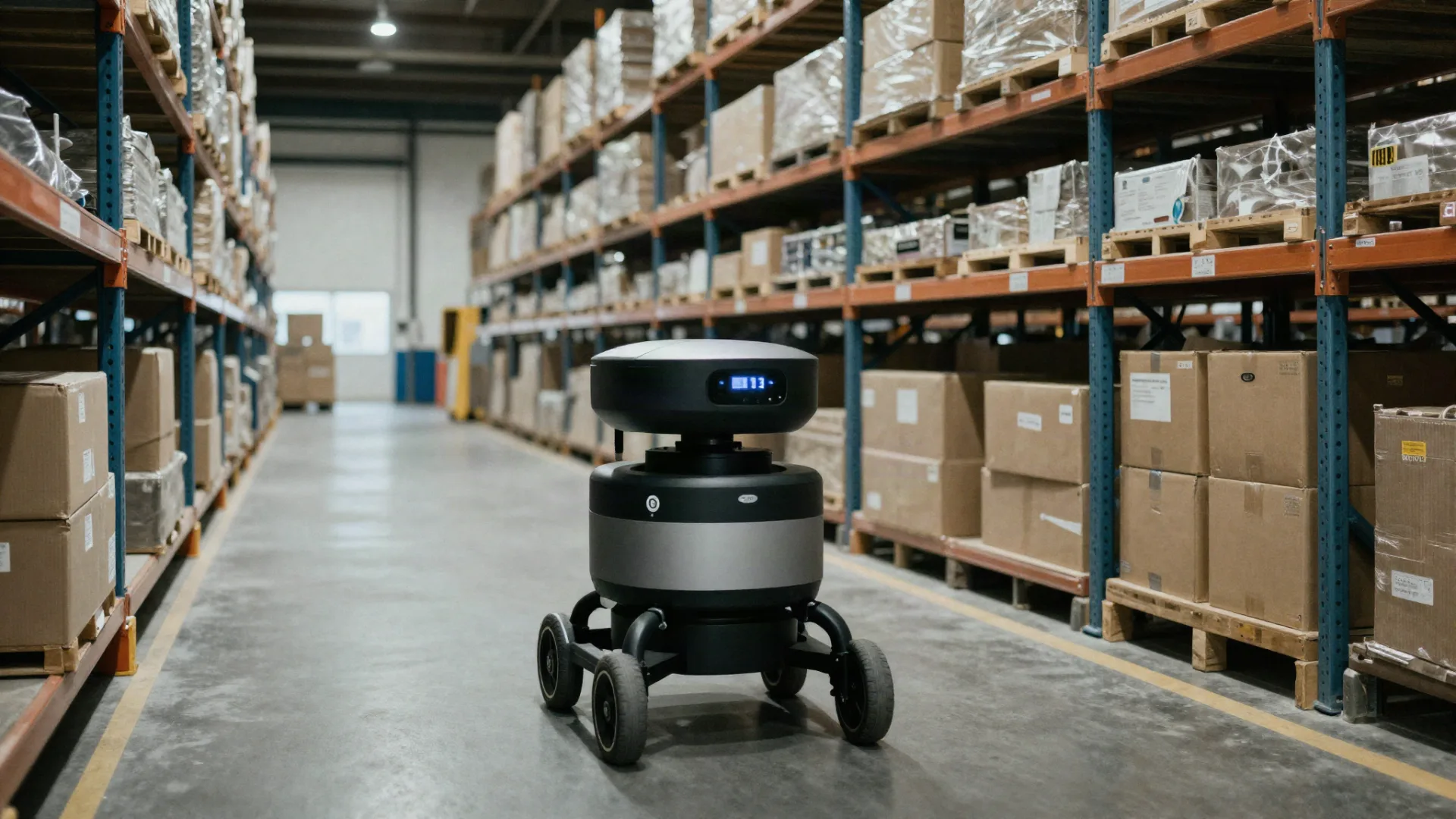
Future trends in freight forwarding are reshaping how logistics operations function at their core. AI-driven decision intelligence now powers predictive analytics that anticipate bottlenecks before they occur, while robotics automate repetitive tasks like pallet loading and cargo tracking. Live tracking technology can deliver near-flawless data accuracy, eliminating manual processes that once consumed valuable time and resources.
The convergence of these technologies creates unprecedented opportunities for freight booking control optimization. Agentic AI workflows reduce shipment search time by 90%, while automated customs processes improve throughput by over 50%. You can expect to see expanded deployment of plug-and-play tracking sensors and similar systems that require minimal infrastructure changes.
Smart logistics leaders who embrace these digital transformation initiatives position their operations for sustained competitive advantage. The companies investing in AI-native control towers today will capture market share tomorrow. You have the opportunity to bridge the operational and data gaps that have long plagued freight operations, transforming your network from a cost center into a strategic asset that drives measurable ROI.