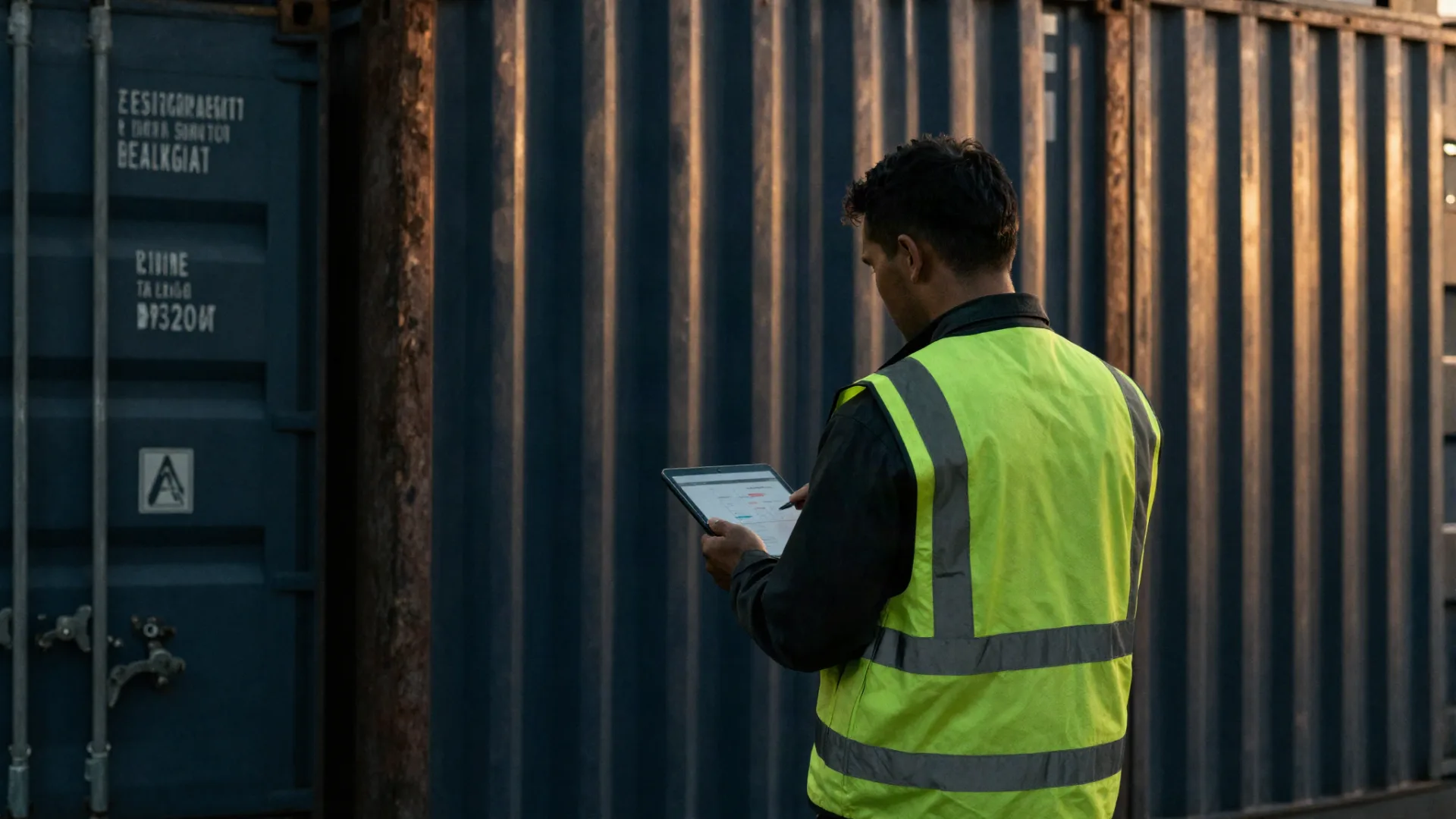

Automated Customs Clearance: The Complete Guide to Modern Cargo Control
Introduction
Automated clearance systems have transformed how we approach cargo security and border management in today's fast-paced world. These sophisticated customs automation solutions represent a significant leap from traditional manual clearance, offering shippers unprecedented control over what enters and exits their supply chain.
Modern cargo control technology has made automated clearance essential for small importers, commercial shippers, and industrial logistics networks. You'll find these systems protecting everything from luxury goods imports to high-traffic distribution centers where thousands of shipments pass through daily.
The benefits of implementing an automated clearance system extend far beyond basic security:
Enhanced security through controlled handoffs and real-time monitoring capabilities
Improved operational efficiency by eliminating manual filings and reducing wait times
User convenience with remote booking, smartphone integration, and 24/7 accessibility
Cost reduction through decreased labor requirements and streamlined freight flow
These systems have become particularly crucial in logistics operations, where $50 billion worth of goods move daily through over 50,000 warehouses and factories across North America, demanding reliable and efficient clearance management solutions.
Understanding Automated Clearance Systems
An automated clearance system is an advanced cargo control solution that eliminates the need for manual customs filing. These systems use data feeds, sensors, and control mechanisms to automatically clear and release shipments based on predetermined triggers such as digital manifests, broker approvals, seal scans, or vehicle detection sensors.
How Automated Clearance Systems Work
The main function of an automated clearance system is based on a control unit that processes input signals and releases the shipment. Here's how it works:
Detection: When a shipment reaches a port, sensors detect its arrival or authorization credentials.
Signal Transmission: The sensors send signals to the clearance engine that powers the shipment's movement along each lane.
Clearance: Based on the received signals, the engine clears or holds the shipment accordingly.
The Evolution of Customs Automation Technology
Customs automation technology has evolved significantly with the integration of artificial intelligence and Internet of Things (IoT) capabilities. Here are some key advancements:
AI live tracking systems: These systems now offer live tracking technology for container number recognition, predictive analytics for delay forecasting and freight flow optimization, and machine learning algorithms that adapt to shipping patterns and improve response times.
IoT connectivity: Traditional checkpoints are transformed into smart clearance points that communicate with broader security ecosystems. This allows you to monitor clearance status remotely, receive real-time alerts, and integrate operations with existing warehouse management systems.
Data collection: Connected systems collect valuable data on freight patterns, peak shipping times, and system performance metrics.
Benefits of Modern Automated Clearance Systems
Modern automated clearance systems also incorporate cloud-based platforms that enable centralized management across multiple lanes. Here are some benefits:
Comprehensive visibility: You can have a complete view of your cargo's checkpoints through unified dashboards and mobile applications.
Control over multiple lanes: With centralized management, you can easily control and manage clearance at different ports from one central location.
These advancements in technology make automated clearance systems more efficient, user-friendly, and adaptable to changing security needs.
Different Types of Automated Clearance Systems
The automated clearance market offers several distinct configurations, each engineered to address specific operational requirements and lane constraints. Understanding these variations helps you select the most appropriate solution for your supply chain's unique demands.
1. Air Cargo Clearance
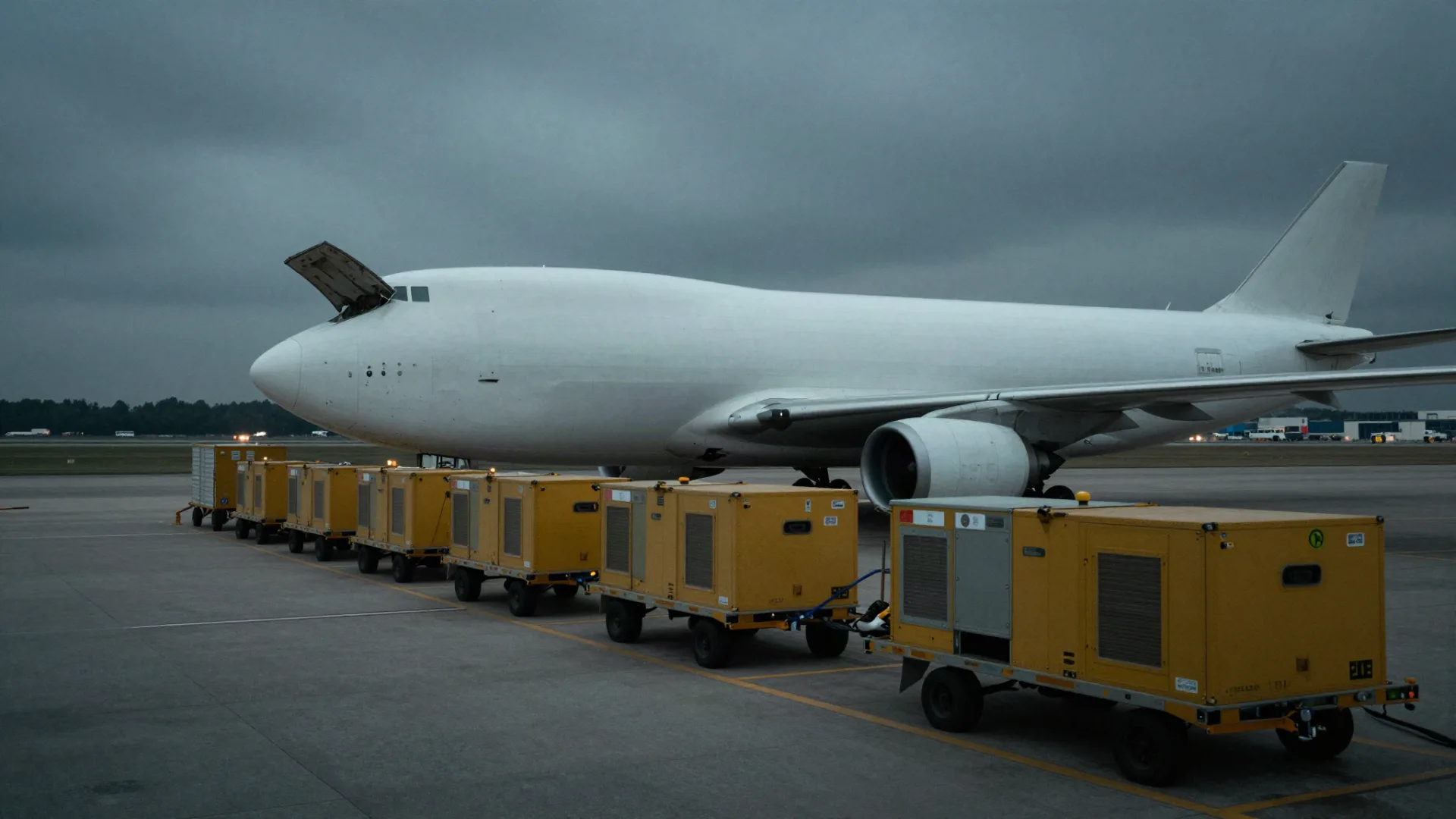
Air cargo clearance represents the most popular choice for high-value commercial and industrial shippers. These systems operate in hours rather than days, requiring minimal paperwork while accommodating shipments of varying sizes. You'll find air clearance particularly effective for electronics and manufacturing parts where speed matters. Its robust workflows handle heavy-duty cycles, making it ideal for networks processing 100+ shipment movements daily.
2. Ocean Cargo Clearance
Ocean cargo clearance functions like a traditional port entry, filing against a container manifest. These systems work exceptionally well for bulk importers and smaller commercial shippers with moderate volumes. You can run ocean clearance in single or consolidated configurations, depending on your shipment size requirements. Its simpler process design often translates to lower costs and easier corrections.
3. Road Border Clearance
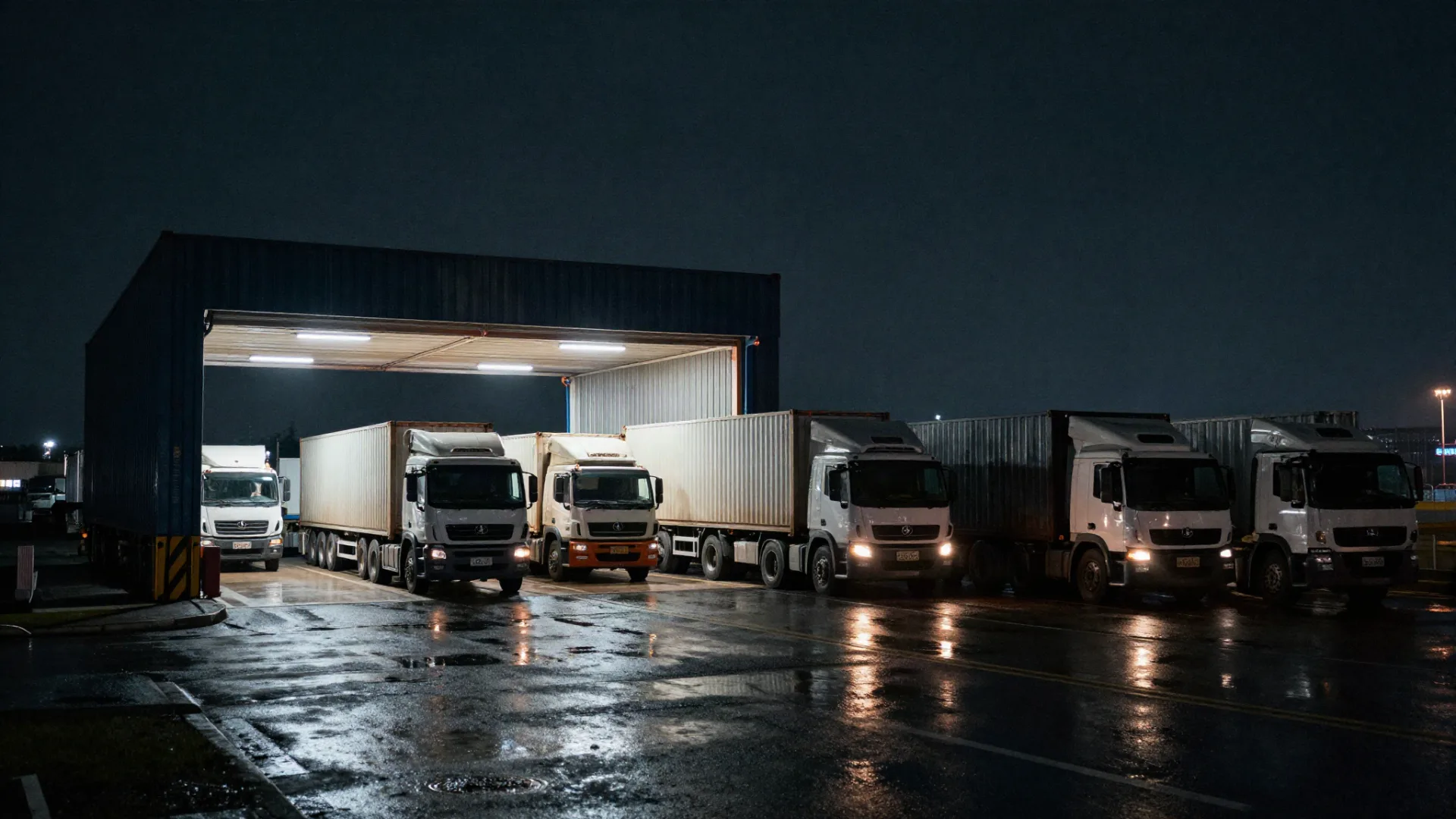
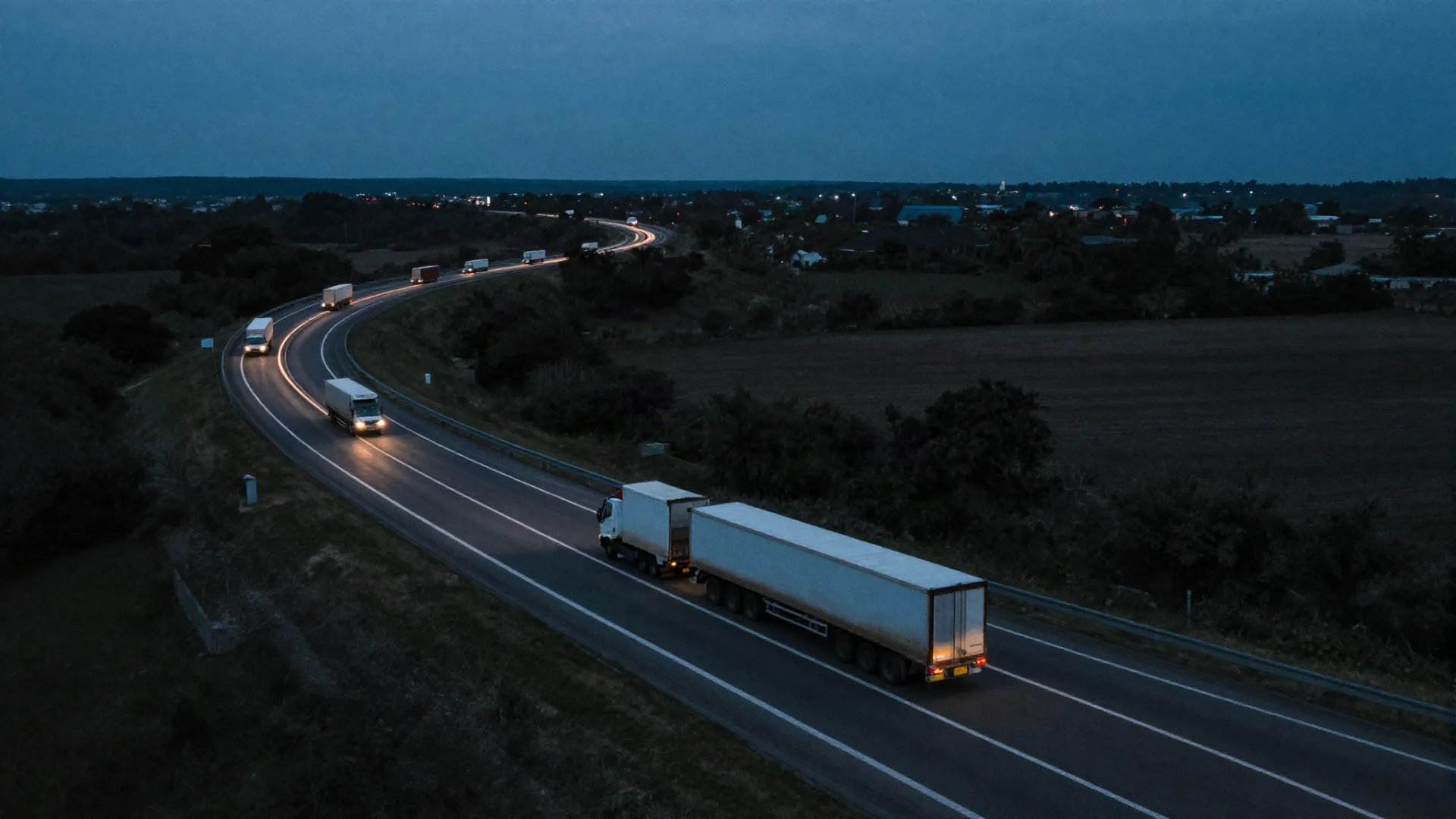
Road border clearance uses pre-filed digital entries, similar to toll transponder systems. These lightweight solutions excel in environments requiring rapid cycling and high-frequency crossings. You'll commonly see road clearance at cross-border lanes, inland ports, and temporary crossing points. Its quick processing speeds make it perfect for lanes where truck throughput takes priority over maximum inspection.
Each clearance type integrates seamlessly with modern cargo control technologies, including RFID readers, container recognition systems, and mobile app controls.
Key Features to Look for in an Automated Clearance System
When evaluating an automated clearance system, specific features determine the difference between a basic filing tool and a comprehensive security platform that transforms your freight management experience.
1. Remote Control Booking
Remote control booking represents the foundation of modern cargo systems. You need multi-channel remote operation capabilities that include smartphone apps, email approvals, and web-based dashboards. The best systems offer real-time status monitoring, allowing you to verify shipment position and receive instant notifications about system events from anywhere in the world.
2. Smart ERP Integration
Smart ERP integration elevates your automated clearance system beyond standalone functionality. Look for compatibility with popular platforms like SAP, Oracle, and NetSuite. This integration enables automated routines, instant order updates, and seamless coordination with your existing tracking sensors, inventory systems, and alert networks.
3. Advanced Features
Advanced automated clearance system features include:
AI live tracking cargo recognition that automatically identifies authorized shipments
Configurable access schedules for different user groups and time periods
Integration APIs that connect with existing security infrastructure
Real-time analytics providing detailed lane reports and shipping patterns
Emergency override capabilities ensuring reliable operation during system outages
Multi-factor authentication combining access codes, biometrics, and mobile credentials
The most sophisticated systems incorporate live tracking technology that delivers near-perfect accuracy in cargo identification while reducing manual intervention by up to 90%. These features create a robust cargo control ecosystem that adapts to your specific operational requirements while maintaining the highest security standards.
Enhancing Security with Automated Clearance Systems
Automated clearance systems are your first line of defense, creating a strong checkpoint that greatly reduces unauthorized handoff attempts. These sturdy checkpoints force potential fraudsters to find other ways in, often discouraging them completely from targeting your freight. The mere presence of an automated clearance system shows would-be thieves that your network takes security seriously.
Turning Checkpoints into Networks
Modern automated clearance systems can do more than just block entry. When you connect them with tracking sensors, they become part of a larger security network. This network has multiple layers of protection against unauthorized handoffs, as outlined in this comprehensive cargo security guide
Visual Evidence: Every time someone tries to move cargo without permission, the sensors capture clear images or records.
Real-Time Monitoring: You can watch what's happening at the border as it unfolds.
Access Logs: All instances of entry, whether authorized or not, are recorded for future reference.
Features That Go Beyond Basic Security
The integration capabilities of modern automated clearance systems transform them from simple checkpoints into comprehensive security networks. When you connect your clearance system with tracking sensors, you create a multi-layered strategy that captures evidence of every handoff attempt. This integration allows you to monitor clearance activity in real-time and maintain detailed logs of all cargo events.
Advanced security features include:
Biometric access controls that verify identity through fingerprints or facial recognition
Container number recognition systems that automatically clear or hold cargo based on shipment databases
Motion sensors that detect unusual activity around the port perimeter
Emergency lockdown capabilities that instantly secure the cargo during security breaches
Adding Another Layer with Alarms
Alarm system integration adds another security dimension, triggering immediate alerts when unauthorized handoff attempts occur. You can configure these systems to notify security personnel, freight managers, or customs agencies instantly. The combination of physical seals, live monitoring, and automated alerts creates a security ecosystem that operates 24/7 without human intervention.
In addition to these features, it's essential to consider technology and electronic security services as part of your overall security strategy.
Streamlining Operations in Logistics Networks with Automated Clearance
Freight automation is changing the way logistics networks operate, where manual clearance creates significant bottlenecks that impact entire supply chain networks. Traditional customs processes force drivers to wait in long queues, manually present documentation, and undergo time-consuming verification procedures that can extend clearance times to 15-30 minutes per shipment.
Challenges of Manual Customs Clearance
Logistics networks using manual systems face ongoing operational challenges:
Driver demurrage costs accumulating from extended wait times
Limited operational hours requiring staffed clearance desks
Data entry errors from manual documentation processes
Inconsistent processing times varying by staff availability and experience
Security vulnerabilities from human oversight limitations
Improving Logistics Efficiency with Automated Entry Systems
Automated clearance systems are changing the game by implementing efficient workflows that process shipments in under 2 minutes. You gain immediate benefits from AI-powered live tracking technology that automatically captures container numbers, identifies cargo, and validates driver credentials without human intervention.
The advantages of automation go beyond just speed improvements. Real-time data integration with warehouse management systems enables smooth coordination between clearance and delivery scheduling. Your network achieves 50% throughput improvements while reducing labor costs and eliminating manual data entry errors.
Modern automated systems provide 24/7 operational capability, allowing your network to accommodate extended delivery windows and night shift operations without additional staffing requirements.
Future Trends in Automated Clearance Systems
The world of automated clearance systems is changing quickly, thanks to new technologies that have the potential to transform how cargo control works in various industries. At the forefront of this change are AI-powered clearance, which use advanced live tracking techniques to achieve levels of accuracy and intelligence never seen before.
AI Live Tracking Technology Revolutionizes Cargo Recognition
Modern AI live tracking for cargo recognition systems deliver remarkable precision, with some platforms achieving 99.5% data accuracy in identifying vehicles, container numbers, and cargo details. These systems eliminate the guesswork traditionally associated with manual clearance, automatically capturing and processing shipment information in real-time. You can expect these AI-driven solutions to recognize not just standard identification markers, but also detect cargo types, container conditions, and even unauthorized modifications.
Decision Intelligence Transforms Freight Management
Decision intelligence for freight management takes automation beyond simple recognition. These systems analyze freight patterns, predict congestion, and automatically route shipments to optimal delivery slots or hubs. The technology considers multiple variables simultaneously, from delivery schedules to warehouse capacity, making split-second decisions that human brokers would need minutes to process.
IoT Integration Creates Connected Ecosystems
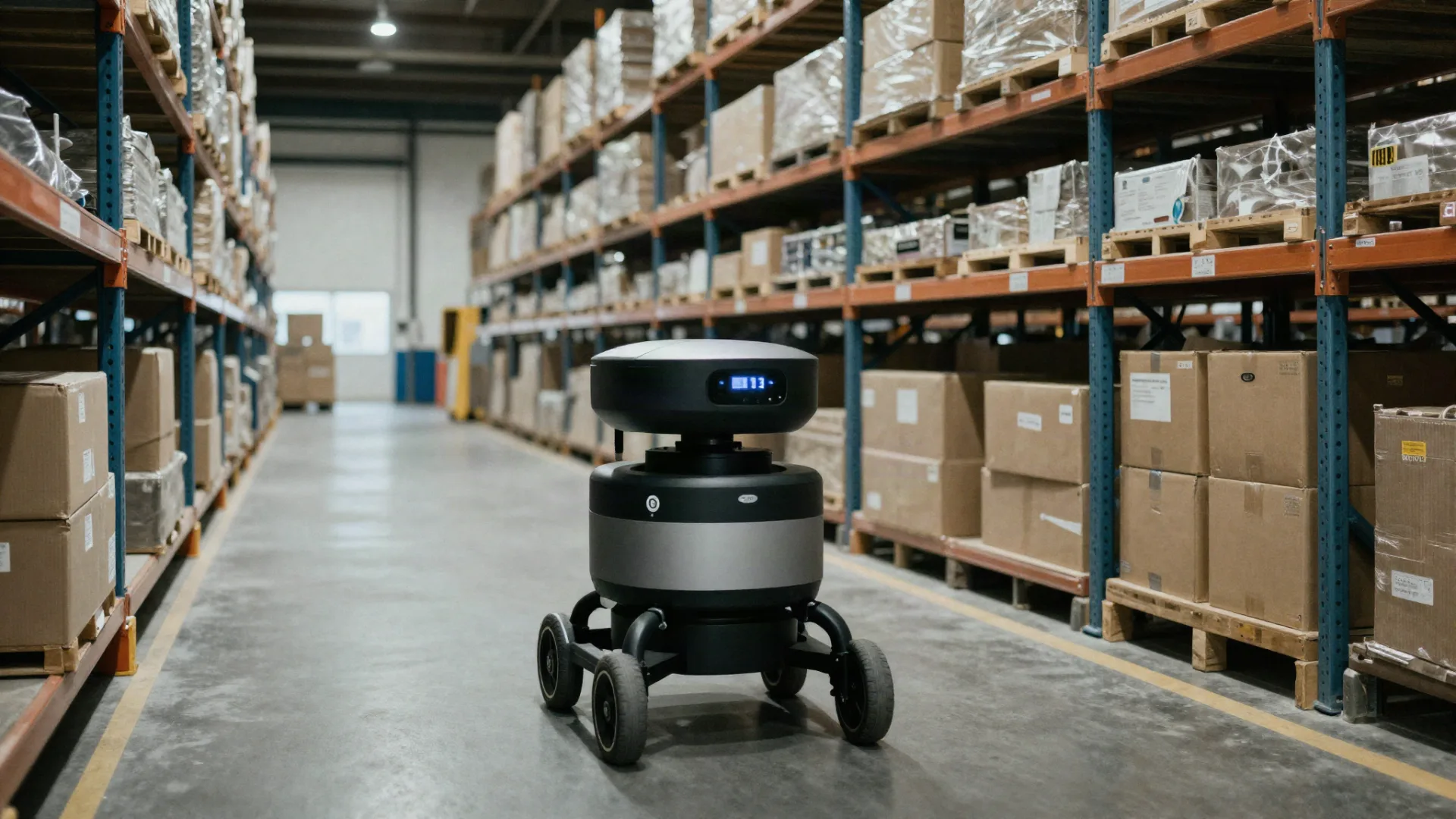
IoT integration is fundamentally changing how automated clearance systems communicate within broader freight networks. Connected sensors, trackers, and control systems share data instantaneously, creating a unified operational ecosystem. This connectivity enables remote monitoring, predictive maintenance, and seamless integration with existing warehouse management systems, transforming isolated clearance steps into intelligent components of comprehensive freight platforms.
Choosing the Right Automated Clearance System for Your Freight
Selecting the perfect automated clearance system requires careful evaluation of your specific operational needs and selection criteria. Shipment volume serves as your primary consideration: smaller shippers with single entry ports benefit from basic ocean or road clearance, while large industrial networks demand robust air and multi-port systems capable of handling heavy freight loads.
Assessing Your Shipment Size
For smaller shippers with single entry ports, consider basic ocean or road clearance.
Large industrial networks require robust multi-port systems designed to handle heavy freight loads.
Understanding Your Freight Volume
Freight volume directly impacts your technology requirements. High-volume operations processing 100+ shipments daily need AI tracking capabilities and rapid processing speeds to prevent bottlenecks. Medium-volume shippers can leverage standard RFID or barcode systems, while low-volume applications work well with smartphone-controlled booking.
Evaluating Technology Needs Based on Freight Volume
High-volume operations (100+ shipments daily): Implement AI tracking capabilities and ensure rapid processing speeds.
Medium-volume shippers: Utilize standard RFID or barcode systems for cargo control.
Low-volume applications: Opt for smartphone-controlled booking solutions.
Defining Your Security Requirements
Security requirements shape your feature selection:
Basic security: Standard cargo control with barcodes or seals
Enhanced security: Integration with tracking sensors and alarm systems
Maximum security: Biometric verification, container number recognition, and real-time monitoring
Tailoring Security Features to Meet Your Needs
Basic security needs: Implement standard cargo control using barcodes or seals.
Enhanced security measures: Integrate tracking sensors and alarm systems for added protection.
Maximum security protocols: Utilize biometric verification, container number recognition, and real-time monitoring technologies.
Considering Integration Capabilities
You should also consider integration capabilities with existing systems. Modern solutions offer seamless connectivity with warehouse management systems, transportation management platforms, and enterprise security networks. Cloud-native platforms provide scalability across multiple lanes, enabling centralized management and consistent security protocols throughout your freight network.
Exploring Integration Options for Streamlined Operations
Ensure compatibility with your current warehouse management system for efficient inventory control.
Integrate with transportation management platforms to optimize logistics operations.
Connect to enterprise security networks for comprehensive protection across all lanes.
By carefully evaluating these factors, shipment size, freight volume, security requirements, and integration capabilities, you can select the right automated clearance system that meets your specific needs and enhances the overall efficiency of your operations.
Conclusion
Automated clearance system technology is a game-changing investment for modern shippers looking to improve security, efficiency, and convenience. The automated clearance benefits summary clearly shows how these systems provide tangible returns through lower labor costs, faster operations, and better cargo control.
You can instantly benefit from features such as AI live tracking cargo recognition, smooth integration with current security systems, and live monitoring abilities. Whether you ship a few pallets or manage multiple logistics lanes, automated clearance systems can be customized to fit your needs while giving you the visibility and control you require.
The technology is constantly evolving with IoT connectivity and smart decision-making capabilities, making it the perfect time to upgrade your supply chain's cargo control system.